
The beauty industry has always been quick to embrace innovation, and few trends have exploded quite like stick‑on nails. Once a novelty reserved for costume parties, today’s stick‑on nails span everything from minimalist nudes to intricate artworks. Their convenience and low commitment appeal to people who want the look of a salon manicure without sacrificing time or money. Yet a lingering question remains: do stick‑on nails damage your real nails, or are they a safer alternative to acrylics and gel extensions? This post looks beyond marketing promises to separate myth from reality.
What Are Stick‑On Nails and How Do They Work?
Stick‑on nails, sometimes marketed as press‑on or glue‑on nails, are pre‑shaped and pre‑decorated tips made from lightweight plastics. They adhere to the natural nail using adhesive tabs or a small amount of nail glue. Unlike acrylic or gel extensions, which involve a chemical mixture applied and cured onto your nail, stick‑on nails are crafted elsewhere and then gently attached at home. Modern versions use higher‑quality plastics and adhesives than those of the 1970s and 1980s, which makes them relatively inexpensive and easy to use. They come in an array of shapes, sizes and finishes, so users can match their nails to outfits or moods in minutes.
The popularity of stick‑on nails stems from both convenience and customization. Rather than spending an hour or more in a salon, you can apply an entire set in just a few minutes. They’re also reusable when handled carefully, allowing you to switch styles without constant trips to the nail technician. However, concerns about adhesive strength and potential damage make many people hesitant. Understanding how stick‑on nails interact with your natural nails is key to appreciating their benefits without risking harm.
Myth: Stick‑On Nails Always Ruin Your Nails
One of the most persistent myths is that stick‑on nails inevitably weaken or ruin the natural nail bed. This belief likely traces back to early versions of fake nails and to stories of individuals who ripped off their press‑ons without proper removal. In reality, damage from stick‑on nails usually results from misuse rather than the product itself. Dermatologists note that covering brittle or already damaged nails with glue, plastic or chemicals for an extended period can worsen existing problems. But when your natural nails are healthy and the stick‑ons are applied and removed correctly, there is little reason for concern.
High‑quality stick‑on nails are designed to be lightweight, breathable and durable. They are manufactured to flex with your nail, which reduces pressure on the nail plate. Unlike acrylics or gels, there is no need for excessive filing or drilling to create a rough surface for adherence. The adhesives themselves are gentler than the monomer and polymer mixtures used for salon extensions, so the nail plate is not thinned out during application. The real risk arises when users forcefully peel or pull the nails off, which can strip the top layers of the natural nail. When removal is done properly (more on that below), the risk of tearing or weakening is minimal.
Fact: Technique Matters – How to Apply Stick‑On Nails Safely
Correct application is crucial if you want to enjoy the style of stick‑on nails without damaging your nails. Start by preparing a clean canvas: wash your hands thoroughly and ensure your nails are free from oil and old polish. A gentle buff can improve adhesion, but avoid aggressive filing that thins the nail. According to nail experts, using strong‑hold nail glue and allowing it to set properly helps the nails last. Press the stick‑on firmly onto your nail for several seconds to ensure full contact, then avoid water exposure for at least an hour. Water can weaken the adhesive if it infiltrates under the nail, leading to lifting and potential bacterial issues.
Quality materials also play a role. Low‑quality stick‑on nails may use weaker adhesives or poorly fitting molds that leave gaps for moisture. Moisture trapped between the nail and the adhesive is what can lead to peeling and bacterial build‑up. Investing in better made sets reduces these risks. Many modern sets also provide adhesive tabs as an alternative to glue. Tabs are less messy, but they may not last as long. When using tabs, press firmly and avoid hand‑washing or heavy chores immediately after application.
During daily wear, treat your stick‑on nails with care. They are designed for everyday activities but can snap if used as tools for opening cans or prying lids. Wearing gloves when washing dishes or cleaning not only protects your manicure but also prevents prolonged water exposure, which weakens the adhesive. If a nail starts to lift, resist the urge to push it back with force; reapply a small amount of adhesive or remove and replace it. Observing these techniques ensures that the nails remain secure without stressing your natural nails.
Fact: Removal Is Everything – Gentle Techniques Preserve Nail Health
Even the most careful application won’t protect your nails if you remove stick‑ons incorrectly. Pulling or prying them off can strip layers of keratin from the nail surface, leading to thin, sensitive nails. The most effective removal method involves soaking your fingers in warm soapy water or a little oil for 10–15 minutes to soften the adhesive. As the adhesive loosens, gently lift the edges from the sides rather than ripping from the front. If a nail resists, soak for a few more minutes rather than forcing it off. This patience ensures that your natural nail remains intact.
After removing the stick‑on, use a soft buffer to smooth away any remaining glue and moisturize the nail and cuticles. This aftercare step replenishes moisture lost during wear and keeps the nail bed flexible. Taking occasional breaks between sets is also advisable. Even though press‑ons are gentler than other artificial nails, your nails appreciate time to breathe. Applying a strengthening treatment or cuticle oil during these breaks helps maintain the integrity of your nails and prevents dryness or peeling.
Reusability is another advantage of stick‑on nails. If you plan to reuse a set, clean off any glue residue and store the nails in a box or pouch so they don’t deform. Keeping track of sizes ensures you can quickly reapply them next time. By treating stick‑on nails as a temporary accessory rather than a permanent fixture, you prolong both the life of the product and the health of your natural nails.
Myth: Stick‑On Nails Look Fake or Are Only for Special Occasions
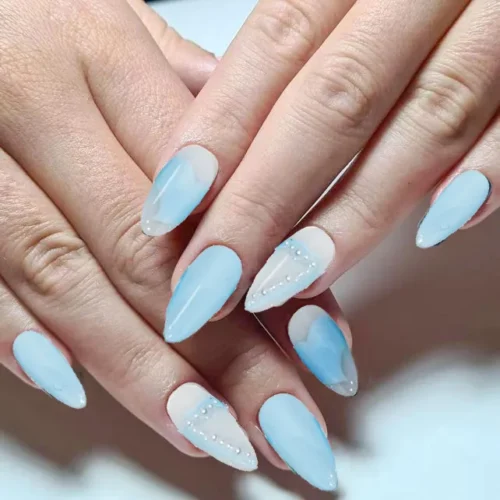
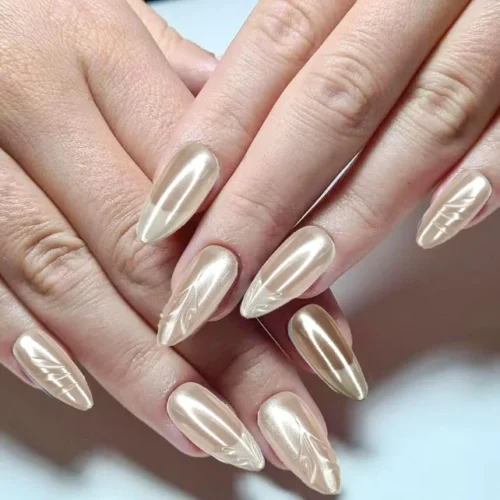
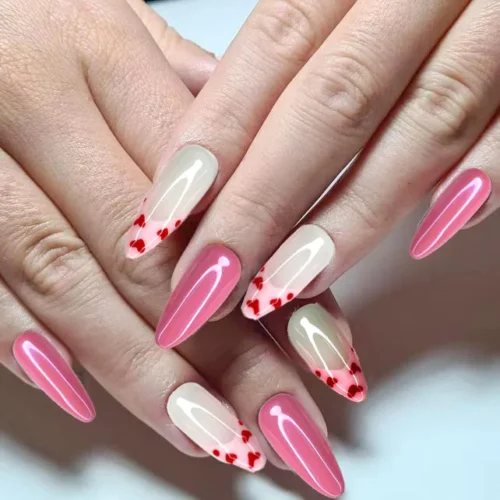
Another common misconception is that stick‑on nails look obviously artificial or are only suitable for emergencies. Modern manufacturing and design have largely dispelled this myth. High‑quality nails are crafted with realistic curvature and texture so that, once applied correctly, they mimic the natural nail. They are lightweight and contoured to fit, making them comfortable for daily wear. Designs range from understated sheers and neutrals to bold, artistic patterns that rival salon art.
Longevity also contradicts the myth that stick‑on nails are short‑lived. When applied correctly, they can last up to two weeks. The key factors are proper nail preparation, high‑quality adhesive and mindful use. Many people now consider press‑ons part of their everyday beauty routine rather than a last‑minute fix for a special event. The ability to swap styles frequently adds to their appeal, especially for those who enjoy matching their nails to outfits or seasons.
Fact: Cheap Materials and Improper Use Can Cause Issues
While stick‑on nails themselves aren’t inherently damaging, poor quality products and neglectful use can lead to problems. Cheap nails may rely on inferior plastics and adhesives that don’t allow the natural nail to breathe. The moisture trapped beneath them can encourage bacterial or fungal growth. Cheap adhesives may also include allergenic ingredients that irritate the skin around the nail bed. If you have sensitive skin, perform a patch test on a single nail before applying a full set to ensure you won’t have a reaction.
Leaving stick‑on nails on longer than recommended also increases the risk of issues. Most sets are designed to be worn for up to a week or two. Wearing them for extended periods allows moisture, dirt and oils to accumulate under the nail, which can weaken the adhesive and the natural nail surface. Similarly, if a nail becomes loose, moisture may seep in and cause lifting or infection. In any of these cases, it is safer to remove the nails, clean and rest your hands, and then reapply a fresh set later.
Comparing Stick‑On Nails with Acrylic and Gel Extensions
Understanding how stick‑on nails differ from salon‑applied artificial nails sheds light on their relative safety. Acrylic nails are created by combining a liquid monomer with a powder polymer to form a paste that is sculpted onto your nail and then hardens. This process often requires filing the natural nail surface to roughen it, which can thin and weaken the nail over time. The chemicals involved in acrylic application and removal can also irritate the surrounding skin. Gel nails, while often marketed as less damaging, still involve curing under UV light and the use of acetone for removal.
By contrast, stick‑on nails are pre‑formed and don’t require any drilling or exposure to harsh chemicals. They rely on a gentle adhesive, which is enough to secure them without dramatically altering the surface of your nail. Removal can be done without acetone—soaking in warm soapy water or cuticle oil is usually sufficient. Because the UV curing process happens during production, your natural nail doesn’t undergo repeated UV exposure. These differences make stick‑on nails an appealing option for those who wish to avoid potential long‑term nail damage associated with salon treatments.
Caring for Your Nails Between Sets
An often overlooked aspect of nail health is what you do between manicures. Even if you love the look of stick‑on nails, it is essential to let your natural nails recover. Giving them a day or two between sets allows them to rehydrate and prevents dryness or brittleness. During these breaks, apply cuticle oil or a strengthening serum. Hydrated nails are less likely to peel or split, making them ready for your next set of stick‑ons.
Nutrition and lifestyle also play a role. A balanced diet rich in biotin, vitamins A and E, and plenty of hydration supports healthy nail growth. Avoid using your nails as tools and wear gloves when performing tasks that could damage them. Good nail hygiene—keeping nails clean, trimming hangnails and avoiding biting—further reduces the risk of infections or damage.
The Verdict: Do Stick‑On Nails Damage Your Nails?
After weighing the myths and facts, the answer is clear: stick‑on nails do not ruin your nails if you apply and remove them properly. Their gentle adhesives and pre‑formed shapes make them a safer alternative to acrylic or gel extensions. Damage occurs when users skip proper preparation, use low‑quality products or yank them off without soaking. By investing in well‑made stick‑on nails, following the application guidelines, and taking time for aftercare, you can enjoy stylish nails without compromising your nail health. Remember, your nails thrive when they are treated kindly. With the right technique, stick‑ons can even serve as a protective layer, shielding your natural nails from wear and tear.
Ready for a Fresh Look?
Stick‑on nails offer a world of possibilities. From understated elegance to playful patterns, there’s a set suited to every mood. Imagine stepping out with flawless nails that complement your outfit yet took only minutes to apply. Whether you’re preparing for a demanding workday, a family gathering or a relaxed weekend brunch, the right set of stick‑on nails can elevate your style without sacrificing comfort. Treat yourself to a manicure that works on your schedule, nurtures your natural nails and lets your hands tell their own story. It’s time to give your fingertips the attention they deserve—because every touch should feel confident and every gesture should look beautiful.