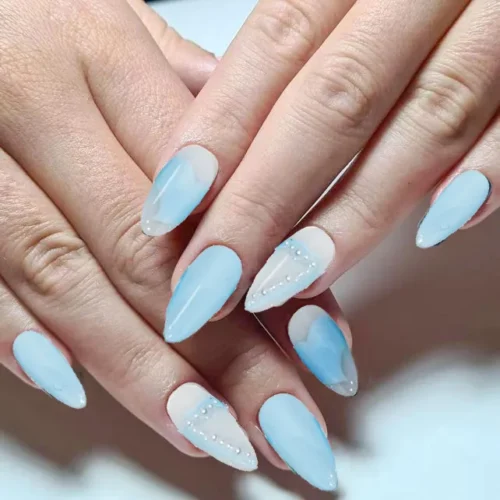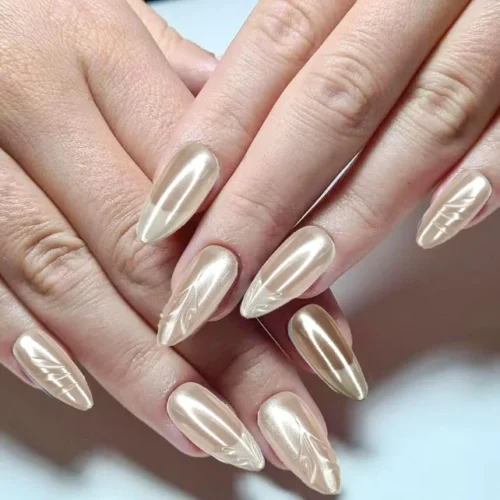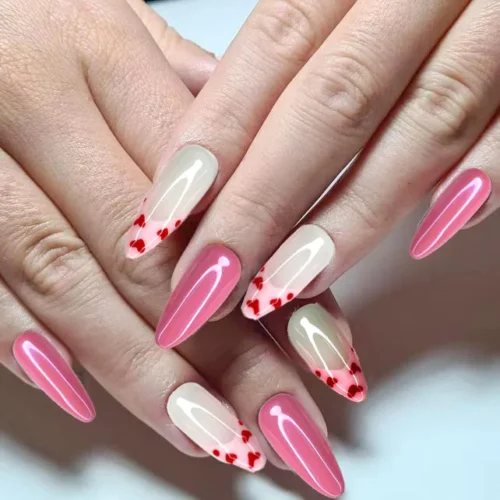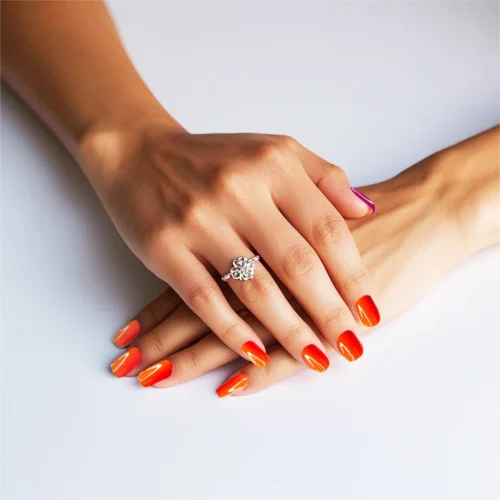

If you’re tired of hiding your hands, feeling embarrassed in meetings, or dealing with painful hangnails and broken skin,but you’re not “weak” for struggling to stop. Nail biting (onychophagia) isn’t a willpower problem; it’s a habit loop tied to stress, boredom, and sensory urges. The good news: with the right plan, you can break the cycle and rebuild strong, healthy nails without white‑knuckle effort.
This guide blends behavioral science with practical nail care so you can reduce urges, heal damage, and start liking your hands again. Keep it handy and try one small action as you read, because tiny wins add up fast.
How Nail Biting Works and Why Stopping Feels Hard
Most people who bite don’t even notice it happening. A cue triggers an automatic routine that delivers a reward. Over time, the loop repeats until it’s ingrained.
Nail biting also sits on the spectrum of body‑focused repetitive behaviors (BFRBs), along with skin picking and hair pulling. That means it’s common, often subconscious, and can coexist with anxiety, ADHD, or perfectionism. Recognizing this helps you replace shame with strategy.
When is it more than a habit? If you’ve tried to stop repeatedly, feel distress or pain around your nails, or notice infections, bleeding, swelling, or nails separating from the skin, it’s wise to speak with a clinician. Many people benefit from cognitive behavioral therapy (CBT), habit‑reversal training (HRT), or acceptance and commitment therapy (ACT) to address both triggers and coping skills.
Quick Nail Biting Reset: 10-Minute Steps to Stop Biting
Momentum matters. Right now, try this short reset to reduce biting for the next 24 hours:
- Trim and gently file your nails so there are no snags tempting your teeth.
- Wash hands, then massage in cuticle oil or a thick hand cream to soothe that “pick me” feeling.
- Apply a bitter‑tasting, clear anti‑bite coating; it acts like a reminder every time your fingers near your mouth.
- Place a small fidget toy where you usually bite, such as your desk, couch, or car.
- Set a phone reminder at two “high risk” times to re‑apply oil and do a quick body check‑in.
Consider taking a before photo of your nails. Many readers find the visual progress deeply motivating.
The four‑part plan that actually stops nail biting
Map your personal triggers
For three days, simply notice when, where, and why you bite. Log it in your notes app: time, activity, emotion, and what your nails felt like. Patterns will surface as meetings, scrolling, driving, or winding down at night are common hotspots.
As you discover your cues, label them out loud: “This is a stress urge,” or “I felt a snag.” Naming converts autopilot into awareness, which is the first door out of the habit loop. If you like structure, consider a basic habit‑tracking app or calendar to mark “bite‑free” blocks, because you’re training your brain to spot success.
Replace, don’t just remove
Willpower alone leaves a vacuum; HRT fills it with a competing response you can do for one minute when the urge hits:
- Hands: make gentle fists and press thumbs against your index fingers; pick up your fidget; tap fingers on your thigh.
- Mouth: sip chilled water; chew sugar‑free gum; press your tongue to the roof of your mouth and count to 20.
- Mind: take 3 slow breaths, exhaling longer than you inhale; scan forearms and jaw for tension and release it.
Write a simple if‑then plan: “If I feel the urge while reading, then I will roll my fidget ring and take three breaths.” Place that sentence where you’ll see it.
Make biting inconvenient
You don’t need discipline if the behavior is hard to do.
- Keep nails short and smooth; carry a small glass file so a rough edge doesn’t become a trigger.
- Use physical barriers during high‑risk windows: gloves for binge‑watching, breathable nail wraps, or finger tape over a problem nail.
- Schedule a low‑maintenance manicure or a protective clear builder gel if you’re not prone to picking at enhancements. A tidy, smooth surface plus the “I paid for this” effect can reduce urges. If you choose acrylics or gels, give nails breaks and keep removal gentle to avoid thinning.
Soothe the sensory itch at the source
Many people bite to resolve discomfort: dry cuticles, rough edges, or the need for tactile input. Solve that:
- Moisturize cuticles 1–2 times daily, especially after handwashing. Hydrated skin is less likely to snag and call for your teeth.
- Use liquid bandage on tiny tears to reduce sting and temptation; trim hangnails with clean, sharp nippers.
- Add a small “hand ritual” to transitions: after lunch or before TV, apply cuticle oil, massage for 30 seconds, and flex fingers. This anchors care to a daily cue and calms the urge.
Rebuilding nail health while you break the habit
Stopping the behavior and healing the damage should happen together. When your hands look and feel better, the urge to bite drops.
- Clean and protect: Wash hands regularly; if skin is broken, apply a dab of petroleum jelly or a thin hydrocolloid patch to seal and protect while healing. If you notice redness, warmth, pus, or throbbing pain, consider seeing a clinician for possible infection.
- Hydrate relentlessly: Daily cuticle oil plus a thick hand cream at bedtime creates a flexible “moisture shield.” Slip on cotton gloves overnight for an extra boost if your skin is very dry.
- Be polish‑smart: A strengthening base coat with nylon or keratin‑bonding ingredients can reduce peeling. Avoid aggressive buffing and frequent acetone soaks; non‑acetone remover is gentler for routine changes.
- Feed nail growth: Nails reflect overall nutrition. Aim for protein with each meal, plus iron‑ and zinc‑rich foods. Biotin may support brittle nails in some people, but it’s not a magic bullet; ask your clinician before adding supplements, especially if you’re pregnant or take medications that can be affected by biotin in lab tests.
- Guard your teeth and jaw: Chronic biting can chip enamel or strain the jaw. If you notice soreness or dental changes, bring it up at your next dental visit.
Consider booking a simple, tidy professional manicure once you’ve reduced active biting by half. Many readers find that the visible progress and supportive encouragement help them keep up their momentum.
The behavioral toolbox that keeps progress sticking
- Implementation intentions: Write three if‑then scripts for your top triggers. Example: “If I feel a snag while driving, then I’ll press my thumb pad, not the nail, and fix it with a file when I park.”
- Environment design: Put your fidget where your hand naturally lands. Keep a file and oil in your bag, car, desk, and nightstand. Remove nail clippers from sight if they lead to perfectionist trimming spirals.
- Urge surfing: When a strong urge hits, picture it like a wave. Breathe slowly, feel it rise and fall for 60–90 seconds, and let it pass without acting. Most urges fade if you allow them to crest.
- Tiny rewards: Mark each bite-free block and pair it with a small reward, such as fresh flowers, new hand cream, or ten guilt-free minutes of your favorite show. Small, frequent wins are better than rare, big ones.
- Accountability and social proof: Tell one supportive person you’re doing a 14‑day reset. Share progress photos weekly. Many people stick with it when they feel seen and cheered on.
If repeated attempts stall, consider speaking with a therapist who treats BFRBs using HRT, CBT, or ACT. You might also explore ADHD or anxiety screening if focus or restlessness are major triggers.
Real‑life strategies for high‑risk moments
- Deep work at a computer: Keep a fidget within reach of your mouse. Set a 50‑minute focus timer and use the 10‑minute break to file, moisturize, and stretch your hands.
- Commuting or driving: Before you start, apply cuticle oil (slightly slick fingers reduce biting) and place a smooth stone in a cup holder to roll between fingers at stoplights.
- Evenings on the couch: Wear soft cotton gloves for the first 20 minutes while your hand cream absorbs. Keep a stress ball by the remote so reaching for it is as automatic as reaching for your mouth.
- Big feelings: Build a 60-second reset by standing up, inhaling for four counts, exhaling for six, rolling your shoulders, and clenching then releasing your fists. Then do one minute of a competing response. Many readers find this blunts the urge enough to skip biting entirely.
Tools and products that help
- Bitter‑tasting nail coating to create a built‑in pause.
- Cuticle oil and a thick hand cream for hydration.
- Small glass or crystal nail file in every bag.
- Liquid bandage or tiny hydrocolloid patches for healing.
- Simple physical barriers: breathable wraps, fingertip tape, cotton gloves.
- A compact fidget: ring, cube, coin, or stress ball.
If you plan to buy a few items, start with the bitter coating, a glass file, and cuticle oil. Many readers choose this trio first because it tackles awareness, smoothness, and sensation together.
When to seek professional help
- You can’t reduce biting after a few weeks of consistent effort.
- You notice signs of infection: increasing pain, swelling, warmth, pus, red streaks, or fever.
- Nails are lifting from the nail bed, deeply discolored, or severely misshapen.
- Biting leads to significant shame, avoidance, or impacts your relationships or work.
A primary care clinician, dermatologist, dentist, or therapist can tailor treatment. Short courses of HRT or CBT often make a big difference. You may also look into group support for BFRBs. Many people find that being part of a community helps normalize the struggle and speeds up progress.
FAQs about nail biting and nail health
- Will my nails ever look normal again? In most cases, yes. Nails grow from a matrix under the cuticle. If the matrix isn’t badly scarred, consistent protection and hydration allow smoother, stronger regrowth over several months.
- Do acrylics or gels help? For some, a smooth, thicker barrier reduces urges. For others, enhancements invite picking. If you try them, prioritize gentle application and removal, keep them short, and schedule breaks to protect the natural nail.
- Is nail biting really bad for my health? Beyond cosmetic issues, it can cause skin infections, introduce germs to your mouth, and chip teeth. Reducing the behavior lowers those risks and usually relieves soreness quickly.
- How long does it take to stop? Many people notice fewer urges in 2–3 weeks and significant change within two months, especially when pairing HRT with nail care. Focus on consistency over perfection.
A simple two‑week reset
For the next 14 days, pair behavior swaps with care. Days 1–3: log triggers, trim and file, start bitter coating, and set up fidgets. Days 4–7: practice your if‑then scripts daily and hydrate cuticles morning and night. Days 8–10: add barriers during your riskiest hour and do a 60‑second reset whenever you notice an urge. Days 11–14: book a tidy manicure or DIY at home, take progress photos, and choose a small reward for your streak. If you lapse, restart the next hour, not Monday.
Conclusion
Nail biting thrives on autopilot and sensory discomfort, so the cure pairs awareness with replacement behaviors and soothing care. Map your triggers, use a competing response, make biting inconvenient, and heal the skin you’re tempted to chew. Use simple behavioral tools such as if-then plans, urge surfing, and small rewards. Seek professional help if you feel stuck or notice any signs of infection. Consistency for a few weeks is usually enough to change the habit and reveal healthier nails.