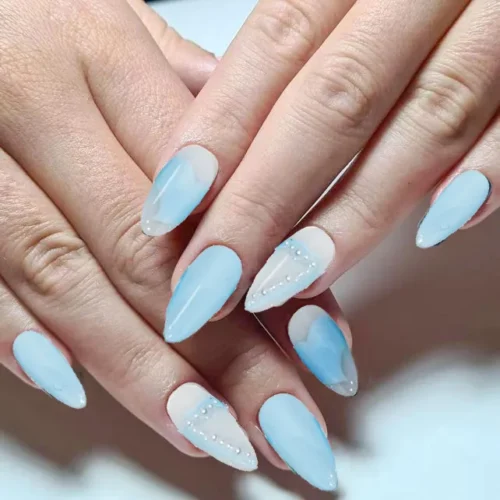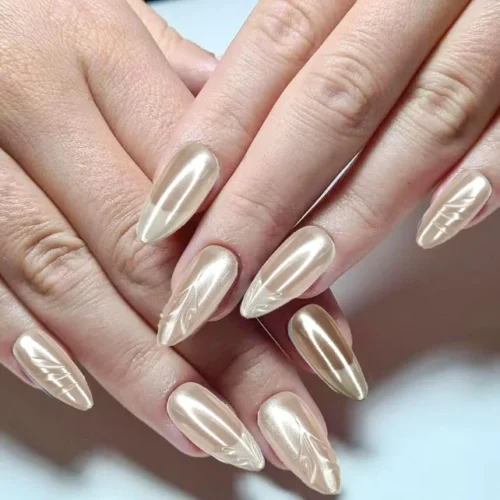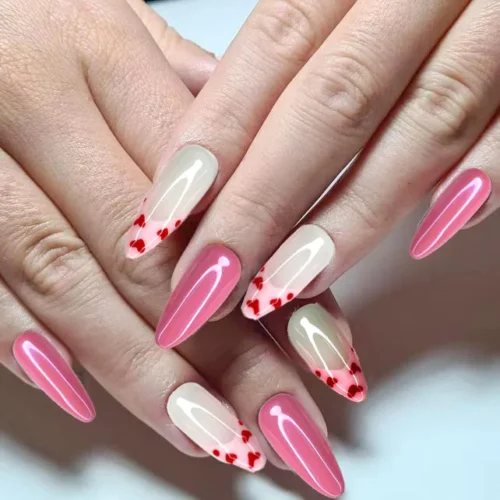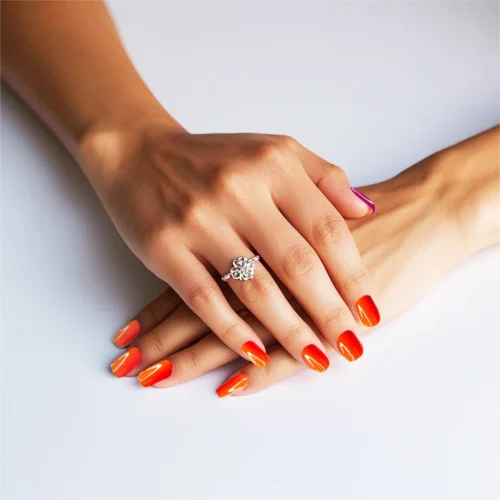

To apply fake nails at home, start by cleaning and buffing your nails, then apply a thin layer of glue or adhesive tabs. Press each nail at a slight angle and hold for 20–30 seconds. Proper prep and sizing can make fake nails last up to 10 days without damage.
If you’ve ever left the salon thinking you could do it yourself, you’re right. This expert guide shows you exactly how to apply fake nails at home for long-lasting, damage-free results, while avoiding common mistakes like lifting or glue mess.
Along the way, you’ll get gentle nudges to choose smarter tools and habits that save time and money. Many readers discover that one well‑chosen at‑home kit quickly pays for itself without sacrificing that polished, salon look.
What you’ll need for a salon‑smooth application
You don’t need a drawer full of gadgets, but a few essentials that work. Consider gathering these before you start so the process is smooth and stress‑free.
- A set of fake nails (press‑ons or full‑cover tips)
- Nail glue or adhesive tabs (choose one; more on this below)
- Nail file (100/180 grit is a versatile choice) and a gentle buffer (180–240 grit)
- Cuticle pusher or orangewood stick
- Nail clippers or scissors (for natural nails and final shaping)
- Isopropyl alcohol or nail prep pads
- Lint‑free wipes or cotton swabs
- Optional but helpful: nail dehydrator/primer, clear top coat, cuticle oil, acetone for removal, and gloves for chores
If you’re missing a few items, consider a beginner‑friendly press‑on kit that includes nails, glue, a mini file, and prep pads; it removes guesswork and speeds everything up.
Choose the right type of fake nails and adhesive
The best results start with the right pairing for your lifestyle and how long you want the set to last.
- Press‑on nails with adhesive tabs: Great for events or weekends. They’re quick, low‑commitment, and kinder to sensitive nails. Expect roughly one to three days of reliable wear with careful prep.
- Glue‑on full‑cover nails: Best for long wear and a “fresh set” look. With proper prep and mindful aftercare, many people get 7–10 days, sometimes up to two weeks.
- Short vs. long lengths: Short to medium lengths look natural, type‑friendly, and are easier to keep on. Longer nails are statement‑making but require more care; start short if you’re new.
- Fit matters more than shape: Size from sidewall to sidewall. If you’re between sizes, choose the larger one and file the sides to fit. Nails that are too small lift quickly.
If longevity is your goal, you might explore glue‑on full‑cover styles in a moderate length, you’ll trade a few extra minutes of application for days of chip‑free wear.
How to prep nails for long-lasting fake nails
Rushed prep is the number‑one reason nails lift early. Build a simple ritual that takes five to eight minutes and pays you back in staying power.
Wash and dry thoroughly. Start with clean, completely dry hands to remove oils that block adhesion.
Trim and shape your natural nails. Short, smooth edges prevent interference under the fake nail.
Gently push back cuticles. Don’t cut living tissue; you just want a clean nail plate.
Lightly buff to remove surface shine. A few gentle passes are enough because over-buffing can thin nails. Dust, then dehydrate. Wipe each nail with alcohol or a prep pad. If you have one, a nail dehydrator/primer helps nails stay on longer.
Avoid hand cream or cuticle oil before application. Applying oil now can lead to lifting later. Save it for after your set is on.
Step‑by‑step: how to apply fake nails that look real
Set yourself up at a stable, well‑lit surface. Work on your non‑dominant hand first so your best hand is free for the trickier application.
Lay out your sizes in order. Match each fake nail to your fingers and line them up from thumb to pinky. A perfect fit touches both sidewalls without pressing into skin.
Apply adhesive deliberately.
- With adhesive tabs, press firmly to the natural nail for a few seconds before placing the fake nail.
- With glue, apply a thin, even layer to your natural nail and a small bead to the back of the fake nail. More glue does not mean stronger hold. Applying it thin and even helps prevent bubbles.
Place at a slight angle. Align the fake nail just above the cuticle and rock it down from cuticle to tip to push out air. Hold steady pressure for 20–30 seconds. Avoid sliding once it’s set; that breaks the bond.
Tidy as you go. If glue squeezes out, lift it immediately with the tip of an orangewood stick or a lint‑free swab slightly dampened with alcohol. Do not use tissue as its fibers can stick.
Refine the shape. Once both hands are done, softly file to even out the edges and tailor the length. Always file in one direction to avoid micro‑cracks.
Seal the look. A clear top coat over the entire nail (including the tip) can add shine and help protect from hairline chips.
Struggling with alignment? Consider nails with pre-etched or pre-buffed undersides. Many readers find they grip better with less glue and fewer air pockets.
Why Do Fake Nails Fall Off (Common Mistakes)
A few tiny tweaks can mean the difference between a one‑day set and a 10‑day set.
- Skipping the alcohol wipe leaves invisible oils that break the bond.
- Sizing too small exposes sidewalls and invites lifting. File a bigger size down instead.
- Flooding with glue creates bumps and trapped air; thin layers win.
- Applying in a humid, steamy room slows curing. Choose a cool, dry spot with ventilation.
- Using nails as tools (keyring prying, can opening) stresses the free edge and breaks the seal.
Loss‑aversion reminder: Ignoring these small details often leads to early pop-offs and damaged natural nails, and it takes more time to fix than to prepare properly.
What aftercare to make fake nails last longer
Treat your set like a favorite accessory and it will repay you with longevity.
Keep them dry early on. For the first few hours, avoid soaking. When cleaning or doing dishes, wear gloves.
Hydrate skin, not the bond. Apply cuticle oil daily around the nail, not under it; it keeps the surrounding skin soft and reduces snagging.
Top up protection. A fresh layer of clear top coat every two to three days helps prevent micro‑chips on the edges.
Mind your motions. Use the pads of your fingers for tasks, not the nail tips. Type with a flatter angle and open cans with a tool.
Tweak length as needed. If a nail feels too long for your week, gently file it down; shorter lengths snag less and last longer.
If you’re active or hands‑on at work, consider starting with short almond or squoval shapes. Many readers choose these for everyday durability with a polished look.
How to remove fake nails safely without damage
Learning how to remove fake nails safely is essential to avoid damaging your natural nails.
Taking fake nails off should feel calm, not like a tug‑of‑war. Rushing the removal process is what damages natural nails, not the fake nails themselves.
For adhesive tabs: Soak in warm, soapy water for 10–15 minutes. Wiggle gently from side to side with an orangewood stick, adding a little cuticle oil as a slip agent. Clean any residue with oil and a soft cloth.
For glue‑on sets: Clip length down if needed. Soak cotton with acetone, place on each nail, and wrap with foil for 10–15 minutes. Check one nail; if the bond has softened, coax it off with a stick. Re‑wrap stubborn spots rather than prying. Buff residual glue lightly and wash hands.
Nail reset: After removal, massage in cuticle oil and hand cream. If you plan back‑to‑back sets, give nails a few hours of “naked time,” especially after acetone, to rehydrate.
Want to reuse press‑on tips? After they come off, gently scrape glue remnants from the underside, sanitize them, and store by size in a small organizer, you’ll rebuild sets in minutes.
Troubleshooting: quick fixes for common issues
My nails keep popping off in a day.
Most often it’s moisture or oil. Improve prep: buff lightly, wipe with alcohol, and try a dehydrator/primer. Choose a closer size fit and apply firm pressure for a full 20–30 seconds.
Edges are lifting near the cuticle.
The nail may be placed on the skin or sized too small. Refit a larger size filed to your sidewalls, and position it just above the cuticle rather than directly on it.
I got glue on my skin.
Let it dry, then roll it off gently or dissolve with warm soapy water and oil. Avoid pulling fresh glue as it can irritate skin.
Can I shower right after application?
Wait at least one hour; two is better. Water can interfere while the bond is strengthening.
Are fake nails safe for my natural nails?
Yes, when applied and removed correctly. The biggest risks are over‑buffing and prying off nails. Be gentle, ventilate well, and take breaks if you notice sensitivity.
Style and sizing tips for a natural look
Choose shapes that echo your fingertip. Almond and squoval shapes elongate most hands and look discreetly “real.” If your nail beds are wide, soft square can appear balanced; if they’re narrow, short almond adds elegance without length.
Mind proportions. If you’re new to length, keep the free edge no longer than half the length of your nail bed. This looks chic and is much easier to live with.
Finish matters. Even nude or sheer sets look high‑end with a crisp, even edge and a thin top coat. If nail art is your thing, layering a design over press‑ons lets you practice off the hand, then apply once perfect.
Not sure where to start? Explore short almond or squoval press-ons in neutral shades. They go with everything and make first-time application feel effortless.
Hygiene and safety best practices
- Work in a ventilated space; nail glue fumes can be irritating.
- Don’t share tools or glue. Sanitize files and pushers between uses.
- Patch‑test if you have sensitive skin: place a tiny dot of dried glue on the inner arm for a few hours to check for irritation.
- Avoid applying over damaged or infected nails; let them heal first or consult a professional.
Gentle authority reminder: A clean, careful setup doesn’t just feel better. It significantly reduces lifting, irritation, and the risk of trapped moisture.
Conclusion
Clean, dry nails plus light buffing and an alcohol wipe set the foundation for long wear. Size each fake nail from sidewall to sidewall, choosing a slightly larger tip you can file down rather than one that’s too small. Apply adhesive carefully. Use a thin, even layer of glue on both your natural nail and the underside of the press-on, or firmly press adhesive tabs. Then place the nail just above the cuticle and rock it forward, holding for 20 to 30 seconds to push out air. File to refine shape, seal with a top coat, and avoid water for the first couple of hours. For longevity, wear gloves for chores, apply cuticle oil only around the nail, and top up with clear coat every few days. Remove patiently: soak and slide for tabs; acetone wraps for glue. Respect these steps and you’ll get pro‑level, damage‑free results at home.