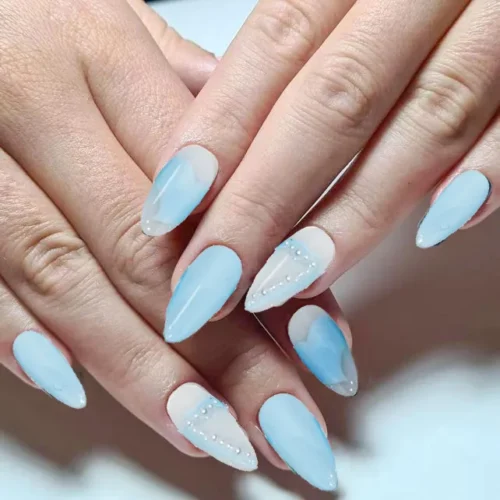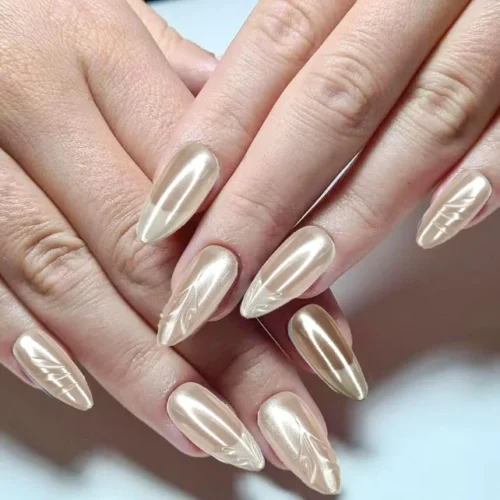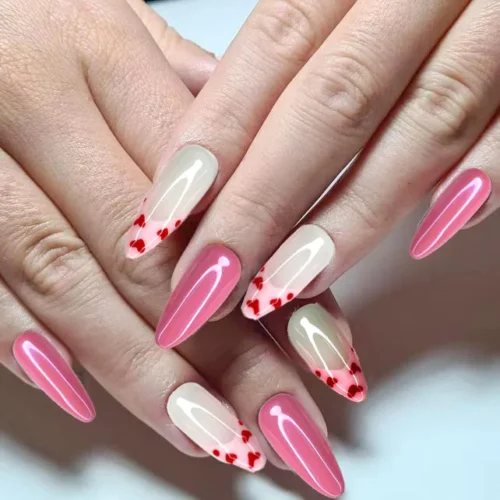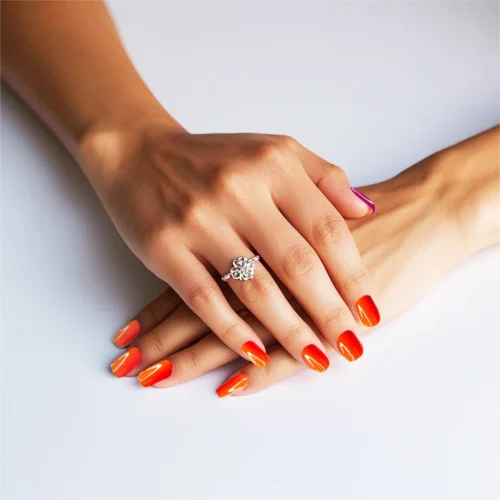

Weak, bendy, or peeling nails can turn every manicure into a short-lived disappointment. Chips arrive in days, tips snag on sweaters, and you’re right back to bare nails. The right nail enhancement for weak nails can protect fragile nails, help them grow, and stay glossy for weeks without wrecking your natural nail underneath.
In this expert guide, you’ll learn which systems truly last on weak nails, how to pick the one that matches your nail type and lifestyle, and the specific habits that make any enhancement go the distance.
Why weak nails need the right enhancement
If your nails are weak and you want staying power without extra damage, a structured builder‑gel overlay kept short is the most reliable “best overall” choice for most people. It creates flexible strength that moves with thin nails and typically wears 3–4 weeks with proper aftercare. If you need the toughest, most rigid protection (or want to avoid UV/LED curing), choose a short dip‑powder or acrylic overlay. For instant length with a lightweight feel, soft gel full‑cover tips are a quick, long‑lasting option. If you’re prone to splits or have sensitivity concerns, consider silk/fiberglass wraps, especially as a reinforcement under polish or gel.
Not sure what you need? Consider a one‑time consult with a reputable nail tech and ask for a “nail health first” plan; many readers find a single pro visit clarifies everything and saves money long‑term.
How to choose the best nail enhancement for weak nails
Choosing an enhancement that lasts starts with the nail plate you’re working with:
- Flexible, peeling nails: They bend before they break. They work best with flexible protection that moves naturally with them such as structured builder gel or soft gel overlays.
- Brittle, snapping nails: They crack or split with a sharp break. They often prefer a slightly harder coating like acrylic or dip powder kept short to reduce leverage.
- Chronic vertical splits or corners that chip: A targeted silk/fiberglass wrap under your chosen coating can keep those weak points from reopening.
If you’re unsure which description fits you, have your tech gently flex a bare nail and check for peeling layers. You can also keep a short “nail diary” for two weeks noting how and when breaks happen; bring it to your appointment to get tailored advice.
Best nail enhancements for weak nails
| Enhancement Type | Best For | Longevity | Key Benefit | Limitation |
|---|---|---|---|---|
| Builder Gel Overlay | Flexible, peeling nails | 3–4 weeks | Flexible strength that moves with nails | Requires lamp and skill |
| Dip Powder Overlay | Brittle nails | 3–4 weeks | Hard, chip-resistant coating | Rigid, requires soak-off removal |
| Acrylic Overlay | Brittle or high-impact use | 2–3+ weeks | Very strong and durable | File-off removal, odor during application |
| Soft Gel Full-Cover Tips | Very weak nails needing length | 2–3+ weeks | Lightweight, instant length | Requires proper prep and lamp |
| Silk/Fiberglass Wraps | Splits and weak edges | 1–2+ weeks | Targeted reinforcement | Not as strong as other systems |
Structured builder gel overlay (best overall for weak nails)
What it is: A thicker, strengthening gel designed to build structure (including a subtle apex for stress distribution). It’s applied directly to your natural nail, then cured under LED/UV.
Why it’s great for weak nails: Builder gel is often the best nail enhancement for weak nails because it adds flexible strength. It cushions bendy nails instead of fighting them, reducing stress breaks and edge peeling. A structured manicure keeps length modest and shape balanced and this approach supports longer wear for fragile nails.
Longevity: Often 3–4 weeks. Soft builder gels generally soak off; many hard gels are file‑off only. Ask which your tech uses and how they’ll remove it.
Pros: Lightweight feel; glossy, natural look; excellent for growing out damage; easy to maintain with fills; fewer chips on edges that normally peel.
Cons: You will need a curing lamp and improper removal such as aggressive filing or prying can weaken nails. Skill also matters so choose an experienced nail technician to shape the apex correctly.
Try this: If your polish always lifts at the corners, ask for a thin silk patch underneath the builder gel just on those weak edges for targeted reinforcement.
Dip‑powder overlay
What it is: Fine acrylic powder combined with resin/activator to create a hard coating, usually without a lamp.
Why it works: Dip forms a tough shell that resists chips and cracks. It’s a strong choice for brittle nails and anyone who wants to avoid lamp curing.
Longevity: About 3–4 weeks.
Pros: No lamp; durable color built in; minimal daily maintenance.
Cons: t offers a rigid finish and removal requires careful soaking with acetone. Sanitation is key so stick to the pour over method and avoid double dipping into shared product jars. Some resins can irritate sensitive skin; discontinue if redness or itching occurs.
Pro tip: Keep dip nails short to reduce pressure on the rigid coating. This simple adjustment often extends wear time by an entire week.
Acrylic overlay or short extensions
What it is: A liquid‑and‑powder system that hardens into a very strong coating; can be done as an overlay (no added length) or with tips/forms for added length.
Why it works: Acrylic is time‑tested for durability and shape control. For brittle nails or hands that work hard, a short acrylic overlay is incredibly resilient.
Longevity: Around 2–3+ weeks before a fill, often longer when kept short.
Pros: Very strong; excellent for customizing shape and correcting asymmetry; ideal for high‑impact use.
Cons: Odor during application; typically a file‑off removal and skill‑dependent filing; over‑filing can thin nails. Avoid salons that use MMA‑based monomers (commonly discouraged due to safety concerns); ask your tech for a professional, nail‑safe system.
Good to know: Keeping acrylic short and slightly rounded reduces corner stress and prolongs wear on weak nails.
Soft gel full‑cover tips
What it is: Pre‑shaped soft gel tips adhered with gel to cover the entire nail, then polished. Think fast, consistent length and shape with a very natural feel.
Why it works: Great if your nails are too weak to hold a free edge. The tip takes the wear while your natural nail grows underneath.
Longevity: Often 2–3+ weeks with proper prep.
Pros: Lightweight; uniform shape; soak‑off removal is possible with many systems.
Cons: Requires a lamp; poor prep leads to lifting; very short nail beds may need a pro to size and apply correctly.
Tip: If your nails are extremely weak, start with a short, natural length. You can “graduate” to more length as your nails strengthen.
Silk/fiberglass wraps (with polish or gel over)
What it is: A fine mesh of silk or fiberglass sealed with resin to reinforce specific areas or the entire nail.
Why it works: Ultra‑thin support for splits and sidewall weaknesses, with minimal bulk and minimal filing.
Longevity: Usually 1–2+ weeks on their own; longer when sealed under gel polish or builder gel.
Pros: Low profile; ideal for targeted repairs; gentle for sensitive or compromised nails.
Cons: Not as strong as acrylic/dip; still uses resin; best as a supplement rather than your only protection if you’re hard on your hands.
Consider: Use wraps under a builder‑gel overlay if you have recurring cracks you’re trying to grow out.
How to make nail enhancements last longer on weak nails
For a long lasting manicure for weak nails, longevity is less about the brand and more about prep, structure, and habits:
- Meticulous prep: True cuticle removal, gentle surface refinement, and thorough dehydration/priming prevent early lifting.
- Balanced structure: A subtle apex in the stress area and even sidewalls reduce cracks. Short lengths work wonders for weak nails since every extra millimeter increases unwanted leverage.
- Smart shape: Soft square, round, or squoval outperform sharp corners on fragile nails.
- Daily cuticle oil: A tiny drop twice a day keeps coatings flexible and reduces micro‑cracks. Many readers see chipping drop dramatically just from this habit.
- Water and chemicals: Wear gloves for dishes and cleaning. Water swells nails; swelling and shrinking under a coating cause lift.
- Mind your hands: Use tools, not nails. Even the strongest system will fail if used as a box cutter.
- Timely maintenance: Book fills at 2–3 weeks. Letting enhancements grow too far shifts the stress point and invites breaks.
You do not need to make everything perfect from the start. Simple steps like using cuticle oil and wearing gloves will likely boost your wear time right away.
DIY vs salon: how to choose and get results
If you want the best odds of long wear on weak nails, consider having a professional do your first set. A seasoned tech will customize structure, spot hidden splits, and set you up with the right length and shape. After that, you can decide whether you want to maintain with fills, switch to DIY for upkeep, or alternate.
DIY suggestions, if you go that route:
- Builder gel in a bottle: Choose a reputable soft builder and keep layers thin. Cap the free edge meticulously, cure thoroughly, and stick to a short length.
- Dip powder at home: Favor a pour‑over technique to avoid contaminating jars. Work clean and slow; thin, even layers last longer than thick ones.
- Removal matters: Never pry. For soak‑off systems, file the topcoat to break the seal, protect surrounding skin with balm, soak cotton in acetone, wrap, and be patient. Gently nudge softened product; if it resists, re‑wrap. For file‑off systems, consider a pro to avoid over‑thinning.
If you’ve been struggling alone, you might explore a one‑time “structured overlay” appointment, then maintain with gentle at‑home oiling and mindful wear. That single pro baseline often changes everything.
Mini decision guide: match your nails to the right system
- Bendy, peeling nails that chip at the corners: Ask for a structured builder‑gel overlay, short length, rounded edges. Add a small silk patch on chronic split areas. Many readers choose this as a grow‑out plan for 8–12 weeks.
- Brittle nails that snap straight across: Opt for a short acrylic or dip‑powder overlay for rigid protection. Keep tips short to prevent leverage breaks.
- Want to avoid lamps entirely: Choose dip powder or silk/fiberglass wraps topped with regular polish.
- Need instant, uniform length for an event: Soft gel full‑cover tips in a modest length; transition to a builder overlay later if you want lower maintenance.
- Sensitive or allergy‑prone skin: Patch test first. Consider HEMA‑free gel options, avoid skin contact during application, and be cautious with cyanoacrylate resins used in dip and wraps. If any itching or redness occurs, stop and consult a professional.
- Work or hobbies are rough on hands (frequent water, tools, sports): Short acrylic overlay or a robust builder‑gel structure with a reinforced apex. Gloves are non‑negotiable for wet or chemical tasks.
Aftercare and maintenance timeline
Treat enhancements like a protective splint while your nails rebuild strength underneath. Plan for:
- A fill every 2–3 weeks, especially in the first 6–8 weeks while you learn how your nails behave.
- Daily oiling: Keep a pen in your bag and a bottle by the sink. A well‑oiled coating flexes instead of cracking.
- Length discipline: Stay short for the first two maintenance cycles. As your natural nails improve, you can carefully add length.
- Gentle filing between visits: If an edge snags, lightly smooth it with a fine file to prevent a tear from traveling.
- SPF on hands before lamp curing if you’re lamp‑averse; it’s a simple, smart precaution.
You don’t need “nail breaks” if enhancements are applied and removed correctly, but you can switch to a soak‑off builder or wraps for a lighter interval if you want a reset.
Common mistakes that shorten nail wear
- Picking or peeling product thins and frays the natural nail.
- Over-lengthening weak nails makes them more prone to breakage because leverage always wins.
- Skipping cuticle oil causes coatings to dry out, which leads to micro-cracks and faster lifting.
- Letting water sit under lifted edges can cause further lifting, so repairs should be done promptly.
- Over-filing during removal can damage the nail plate, so consider professional removal if you are not confident.
A small mindset shift helps: your nails are not tools. Treat them like a polished accessory and they’ll repay you with extra weeks of wear.
Conclusion: what is the best nail enhancement for weak nails?
For most weak nails, a structured builder‑gel overlay at a short length provides the best balance of flexible strength and long wear, typically outlasting regular gel polish and rivaling dip or acrylic without the same rigidity. If you need the hardest protection or prefer no lamp, choose a short dip‑powder or acrylic overlay; if you want quick, uniform length, soft gel full‑cover tips are a sleek, lasting choice. Add silk/fiberglass where you split, keep length modest, wear gloves for wet or chemical tasks, and apply cuticle oil daily. With meticulous prep, balanced structure, and simple habits, your manicure can reliably last 3–4 weeks while your natural nails quietly get stronger underneath.
FAQs about nail enhancements for weak nails
What is the best nail enhancement for weak nails?
The best nail enhancement for weak nails is a structured builder gel overlay kept short. It provides flexible strength and typically lasts 3–4 weeks with proper care.
Which nail enhancement lasts the longest on weak nails?
Builder gel and dip powder overlays typically last 3–4 weeks when applied correctly and maintained with proper aftercare.
Is builder gel better than dip powder for weak nails?
Builder gel is better for flexible, peeling nails because it moves with the nail, while dip powder is better for brittle nails that need rigid protection.
How can I make nail enhancements last longer?
Longevity depends on proper prep, balanced structure, keeping nails short, using cuticle oil daily, and avoiding excessive water exposure.
Are nail enhancements safe for weak nails?
Yes, when applied and removed correctly. Improper removal such as peeling or over-filing can weaken the natural nail.