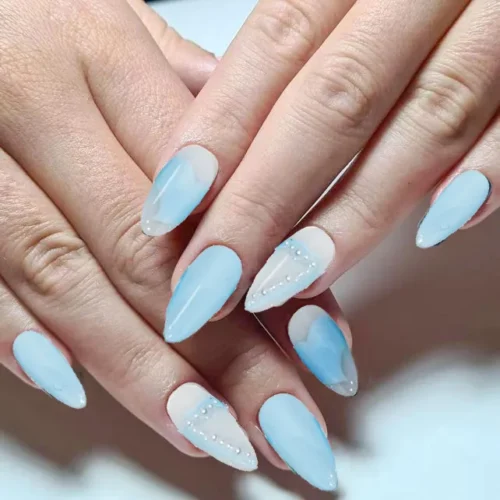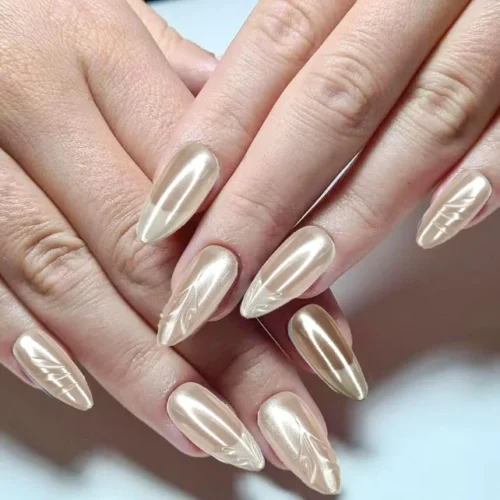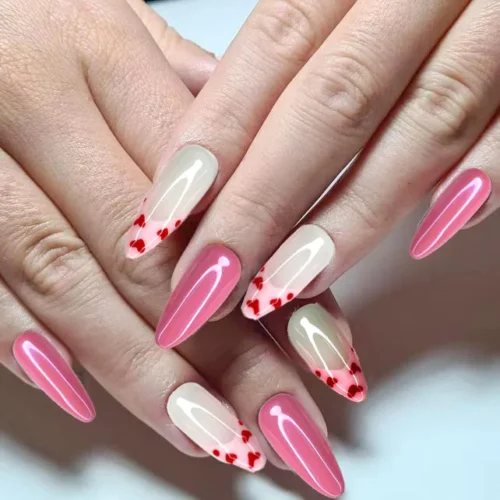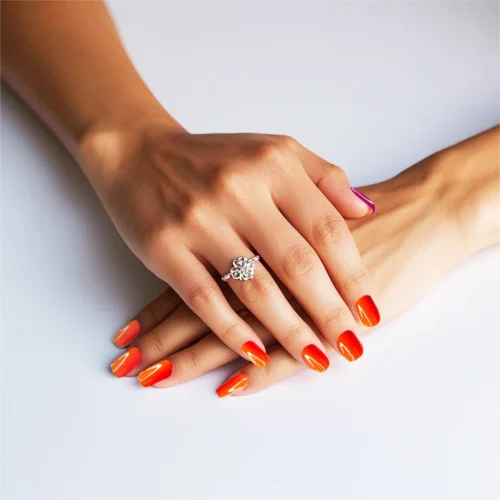
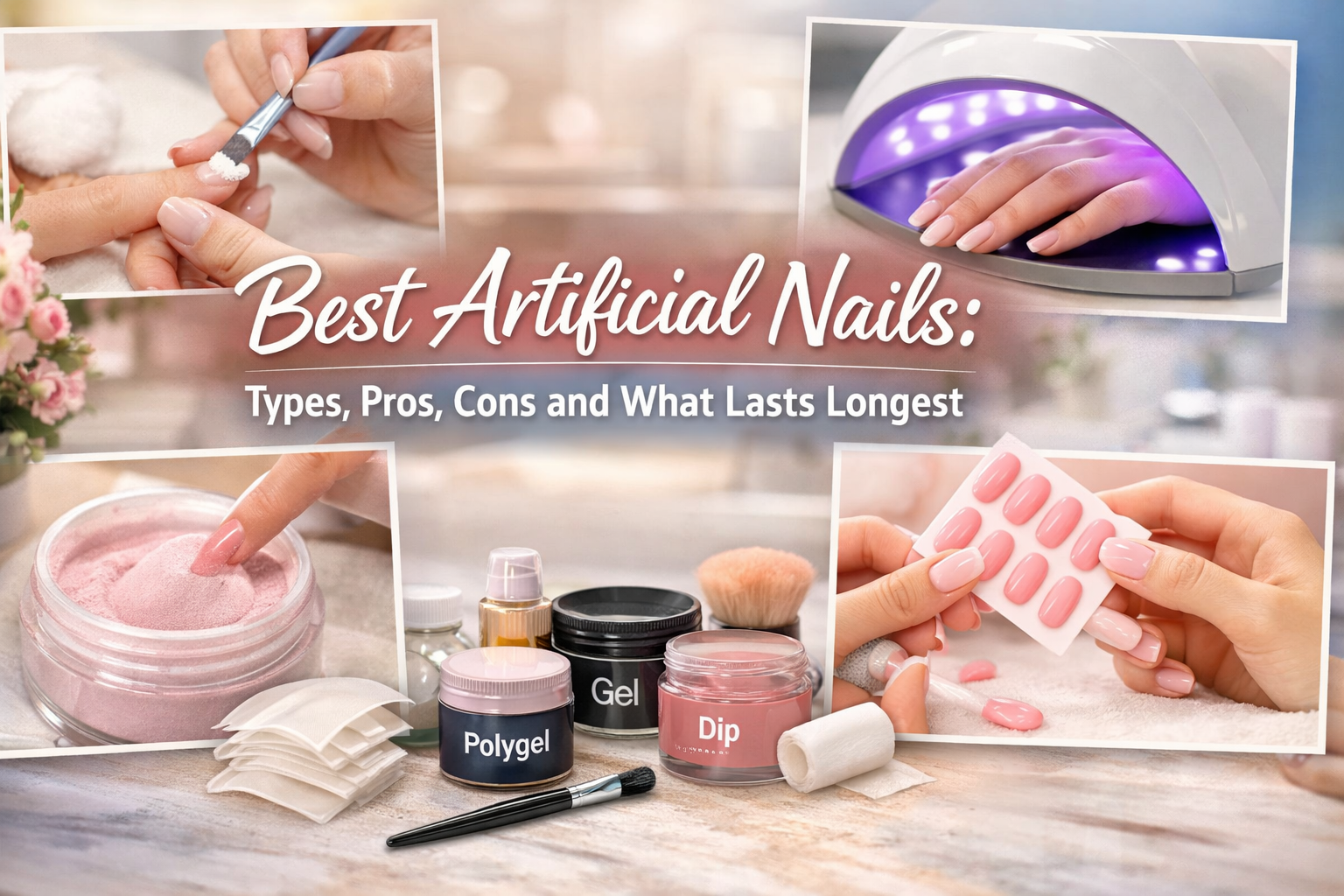
If you’re wondering what the best artificial nails are, the answer depends on your lifestyle, nail health, and how much maintenance you’re willing to do.If you’ve ever left the salon thrilled only to chip a nail a week later or worry about damage during removal, you’re not alone. The “best” artificial nails aren’t one-size-fits-all. The right choice depends on how hard you are on your hands, how much time you want to spend on upkeep, your sensitivity to products, and the look you love. This expert-backed guide breaks down every major option, shows you what lasts longest with the least hassle, and gives you the safety tips pros wish everyone knew, so you can book with confidence.
Before we dive deep, here’s the short take: choose by priority, not hype.
The short answer: best artificial nails by what you care about most
- Long wear for hands-on lifestyles and bold length: acrylic or polygel-style hybrids.
- Natural-looking strength with easier removal: structured soft builder gel overlay.
- Fast, uniform extensions with less filing: soft-gel full-cover tips.
- Low odor and strong overlays on short-to-medium lengths: dip powder.
- Short-term, zero-commitment glam: high-quality press-ons or nail wraps.
- Subtle reinforcement or small crack repair: silk/fiberglass wraps.
Use this to shortlist two options that fit your life, then read the detailed sections to decide. If you’re still torn, book a quick consult at a reputable salon and bring photos of your ideal length and shape.
How to choose your best artificial nails
Start with how you live, not just the look.
- Lifestyle and job: If you type at a desk, flexible products (soft builder gel overlays) feel comfortable. If you lift, clean, craft, or parent toddlers all day, stronger systems (acrylic or polygel) tolerate more impact.
- Desired length and shape: Long stiletto or coffin shapes favor acrylic, hard gel, polygel, or soft-gel full-cover tips. Short, polished everyday nails pair beautifully with a structured soft builder gel or dip overlay.
- Natural nail health: Thin, bendy nails often do best under a structured gel overlay that adds strength without excessive thickness.
- Maintenance rhythm: Are you happy with fills every 2–3 weeks, or do you prefer 3–4? Choose accordingly below.
- Sensitivities and odor: If strong smells bother you, skip traditional acrylic monomer and consider soft builder gel, soft-gel tips, or dip (applied with pour-over methods, not communal jars).
- Removal preferences: If you value easier soak-off, pick soft gel systems or soft-gel tips. If filing-heavy removal concerns you, avoid non–soak-off hard gels.
- Budget and time: Long, sculpted sets cost more and take longer. Overlays are faster and typically cost less.
During your consult, ask for a patch test on the skin near the wrist or inside elbow if you have a history of sensitivity to acrylates or adhesives. Many readers find that a 24-hour patch test removes the fear factor before their first set.
Types of Artificial Nails Explained
Acrylic (liquid & powder)
Think: maximum strength, sculpted length, dramatic shapes. A liquid monomer and powder polymer combine to create a hard protective layer. Acrylic shines for long shapes and high-impact lifestyles because it resists breakage well. You’ll likely need fills every 3–4 weeks as the natural nail grows.
What you’ll notice: a faint chemical smell during application and a slightly firmer, less flexible feel. Removal involves acetone soaking and gentle filing; damage happens when techs over-file or you pry product off. If you’re hard on your hands or want long, crisp shapes, acrylic is still a workhorse. Consider booking acrylic if you want a bold, sculpted look that stands up to daily wear.
Hard gel
Think: sculpted strength with a lighter feel than acrylic and a glossy finish. Applied in layers and cured under LED/UV, hard gel can be built into long lengths and intricate shapes. Many clients love the look and low odor.
True hard gels usually don’t soak off easily; they’re reduced with an e-file and carefully refined, so skill matters. If you prefer longer lengths without the acrylic smell and you trust a meticulous, well-trained tech, hard gel can be gorgeous and durable.
Soft builder gel and structured gel overlays
Think: natural-looking strength, beautiful apex, easier removal. A structured soft builder gel overlay reinforces your natural nails without making them bulky. It’s ideal if your nails peel, split, or flex, and you prefer short-to-medium lengths. Expect 2–3 weeks between maintenance appointments.
Why many readers choose it: it’s lighter and more flexible than acrylic, glossy for the entire wear time, and soak-off removal is gentler when done properly. If you want your nails to look like the best version of themselves, only stronger, consider a structured soft gel.
Soft-gel full-cover tips
Think: quick, uniform extensions with a salon-sleek finish. These are pre-shaped soft-gel tips that are adhered to your entire nail and cured under light. They file less than traditional sculpting, can be soaked off, and are great for achieving identical shapes in less time.
Wear time is typically 2–4 weeks depending on length and lifestyle. They’re ideal if you want event-ready length fast or a consistent shape across all ten fingers. If you’ve struggled with lifting at the stress points on sculpted sets, ask about full-cover tips.
Dip powder overlays
Think: durable overlays with minimal odor. Dip systems use a resin base and colored powders to build strength and color. They create a solid, even finish that’s great for short-to-medium lengths and everyday polish.
Sanitation matters. Avoid salons that dip multiple clients into a shared jar; a pour-over or sprinkled application is the hygienic standard. Removal is via acetone soak; picking them off will peel your natural nails. If you want color plus strength and dislike strong smells, explore dip with a sanitation-first salon.
Polygel
Think: the best of both worlds, lightweight, low-odor, and sculptable.This putty-like product is formed, then cured, creating strong yet lighter-feeling extensions. It’s excellent for sculpted shapes and medium-to-long lengths.
Note: many hybrids are partially file-off for removal; some soak partially. If you crave sculpted shapes without traditional acrylic odor, polygel-style systems are worth a trial set to see how they wear for you.
Silk or fiberglass wraps
Think: whisper-thin reinforcement and repairs. A woven material is applied with resin to add subtle strength or mend small cracks. Wraps are not meant for long extensions but can save a cracked natural nail and keep length consistent until your next appointment. If you need finesse more than bulk strength, wraps offer an elegant fix.
High-quality press-ons and nail wraps
Think: instant makeover with the gentlest removal. Modern press-ons look surprisingly professional, especially short-to-medium in classic shapes. With tabs or gentle glue, they’re perfect for trips, events, or testing shapes before committing. Expect 3–10 days of wear. If you want low commitment and the easiest removal, keep a curated set of press-ons ready to go.
Safety-first habits that protect your natural nails
Healthy nails are non-negotiable. Follow these dermatologist-informed habits and pro standards to reduce risk, regardless of the system you choose.
- Favor soak-off options when possible. Soak-off soft gels and soft-gel tips generally allow gentler removal than constant filing, which helps preserve the upper layers of your natural nail.
- Choose LED over traditional UV bulbs when available. LED cures faster, which means less total light exposure. Apply broad-spectrum SPF to hands 15 minutes before your appointment or use UV-protective manicure gloves with fingertips removed.
- Don’t let anyone cut your cuticles. Cuticles are a natural seal that protects against infection. Ask your tech to gently push back and tidy, not cut.
- Insist on strict hygiene. Files and buffers should be new or properly disinfected; tools should be cleaned between clients; dip powders should be poured over nails instead of using a communal dip.
- Give your nails “off” time when needed. If you’ve had back-to-back sets for months, consider a brief break with nourishing oil and a strengthening treatment, especially if you notice persistent peeling or soreness.
- Never peel or pry product. If you’re due for removal, book it or do a patient acetone soak with gentle scraping only when the product has fully softened.
- Be honest about sensitivities. If you’ve ever reacted to acrylates or adhesives, tell your tech. Ask them to keep product off skin and consider low-allergen formulas.
You’ll keep your natural nails stronger, smoother, and far less prone to post-manicure brittleness.
How long each type lasts, and the upkeep you should plan for
- Acrylic: 3–4 weeks between fills; excellent for long shapes and hands-on wear.
- Hard gel (non–soak-off): 3–4 weeks; file-heavy removal when it’s time to change.
- Soft builder gel overlay: 2–3 weeks; easy to soak off; stellar for natural, healthy-looking nails.
- Soft-gel full-cover tips: 2–4 weeks; soak-off removal; consistent, symmetrical shapes.
- Dip powder: about 3–4 weeks; soak-off removal; ideal for overlays, less so for long extensions.
- Press-ons/wraps: 3–10 days; nearly effortless removal; perfect for short-term looks.
Set your fills before you leave the salon. Many readers find that scheduling a 2.5–3 week rhythm prevents lifting and breaks, which actually saves time and money long-term.
How much do artificial nails cost in the U.S.
Prices vary by city, length, art, and your tech’s expertise, but typical ranges are:
- Acrylic full set: roughly 50–100+; fills 40–80.
- Hard gel or sculpted builder gel: 65–120+; fills 50–90.
- Soft-gel full-cover extensions: 65–125+; maintenance 50–90.
- Soft builder gel overlay (structured): 50–85; maintenance 40–75.
- Dip powder overlay: 50–80; maintenance 40–70.
- Quality press-ons: 10–30 for ready-to-wear; custom or salon-fitted can be higher.
Timing: full sets often take 60–120 minutes depending on length and design; maintenance 45–90 minutes. If you’re on a budget or short on time, consider overlays on your natural nails with a classic finish. It’s a smart, chic, and efficient choice.
Make your set last longer with less damage
- Oil daily. A few drops of cuticle oil keep product flexible and reduce micro-lifting.
- Wear gloves for chores. Heat, water, and detergents are the trio that shorten wear.
- Treat nails like jewelry, not tools. Use a key or tool instead of your nails to open cans or scrape labels.
- Keep them dry between swims and showers. Pat dry; avoid picking at edges.
- Fix early. If you notice a lift, book a repair; moisture trapped under product can invite problems.
Consider a nail wardrobe with shorter everyday sets and longer special‑occasion sets. You’ll get the drama you want without daily stress on your nails.
Salon or at home?
- Choose a pro if you want long sculpted shapes, intricate art, or you’re new to enhancements. Skill and hygiene really matter.
- DIY can be great for press-ons, wraps, or simple soft-gel overlays if you invest in quality tools, read instructions carefully, and practice sanitation. If you’re tempted to buy an e-file, get trained first because improper use thins nails quickly.
If you’re on the fence, test-drive shape and length with press-ons for a week. Many readers find this “try-on” saves buyer’s remorse.
What’s the healthiest artificial nail option?
Health is more about application, maintenance, and removal than the product itself. That said, soft gel systems you can soak off are gentle favorites when done professionally and removed properly. If you need heavy-duty strength or dramatic length, acrylic or polygel can be worn safely too, provided your tech avoids over-filing, you keep product off your skin, and you remove rather than peel.
Conclusion
The best artificial nails for you depend on how you use your hands, the length and shape you want, your tolerance for maintenance, and product sensitivities. For long, tough wear and sculpted shapes, choose acrylic or polygel. For natural-looking strength with easier removal, a structured soft builder gel overlay is a star. For fast, uniform length, soft-gel full-cover tips shine. Dip powder offers low-odor overlays if sanitation is top-notch, and high-quality press-ons deliver short-term glam with the gentlest removal. Protect your nail health by favoring LED curing, skipping cuticle cutting, insisting on clean tools and pour-over dip methods, and never peeling product, then set your maintenance rhythm at about 2–3 weeks to stay ahead of lifting.
If you’re DIY-curious, start with quality press-ons or a simple soft-gel overlay to learn your preferences. With the right match and a smart upkeep plan, you’re a single appointment away from strong, beautiful nails that actually fit your life.