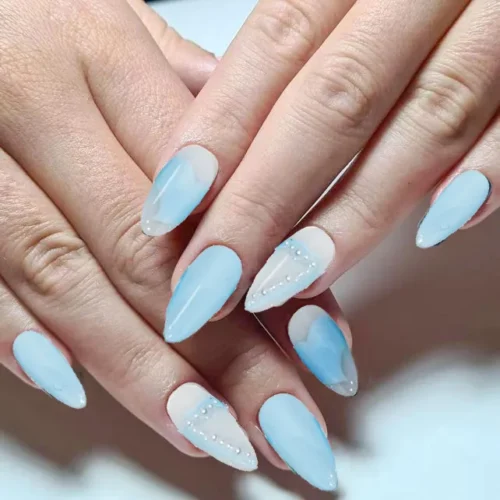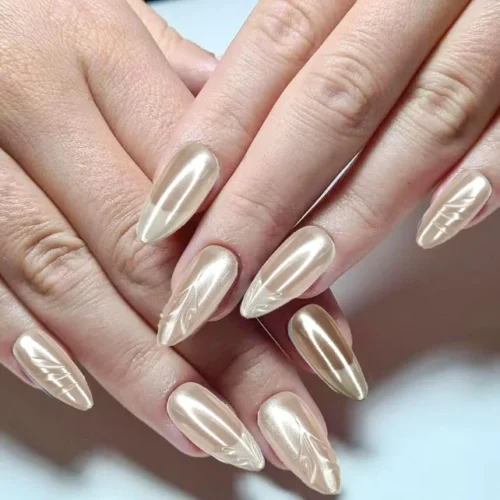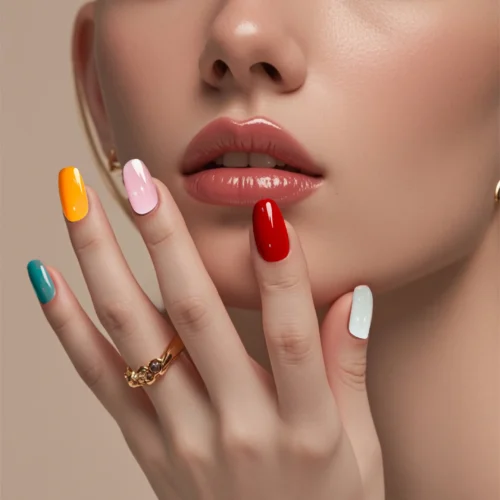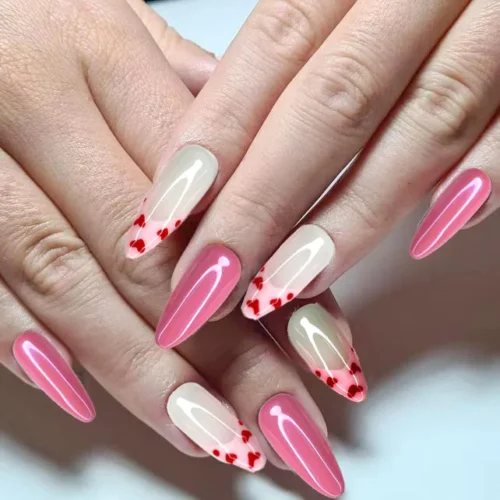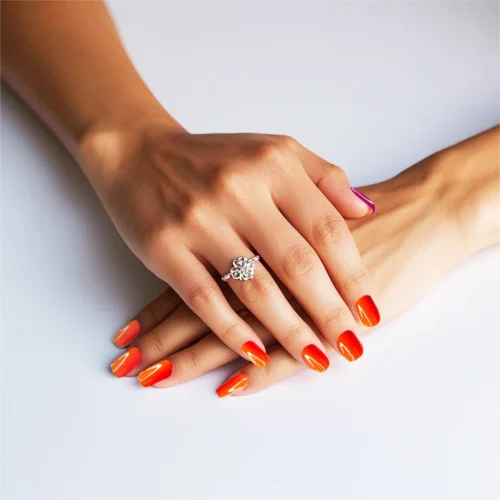

What are the best artificial nails?
The best artificial nails depend on your lifestyle, durability needs, and nail health. Acrylic nails are known for maximum strength and long extensions. Hard gel and builder gel offer a lighter, glossy finish with a natural look. Dip powder nails are extremely durable and chip-resistant, while press-on nails are quick, affordable, and perfect for short-term wear. Choosing the best option depends on how long you want them to last and how much maintenance you prefer.
If you’ve ever left the salon wondering whether you picked the “right” set or watched a fresh manicure chip before a big event, you’re not first one. The best artificial nails aren’t one-size-fits-all. They’re the ones that suit your lifestyle, nail health, budget, and how much upkeep you’re willing to do. This guide cuts through the confusion so you can choose confidently, avoid damage, and enjoy beautiful nails that actually last.
By the end, you’ll know exactly what to ask for at the salon, how the main systems differ, and how to make any set wear better.
The Quick Answer: Which Artificial Nails Are Best
- Want maximum strength for busy, hands-on days? Consider a short acrylic overlay or a well-structured dip powder manicure. They’re tough and forgiving when life is rough on nails.
- Prefer a natural, glossy look with lower odor in the salon? A soft gel builder overlay is a favorite for healthy, medium-length nails.
- Crave lightweight extensions that look seamless? Pre-formed soft gel tips deliver a thin, glassy finish with great shape consistency.
- Need something fast for events or travel? Modern press-on nails are surprisingly durable and realistic. They’re affordable, quick to apply, and easy to remove at home.
- Sensitive to acrylic monomer or strong smells? Explore gel systems or hybrid polygel. If you have known sensitivities, ask for HEMA-free gel options and request a patch test.
- Repairing a tear or nursing fragile nails? Silk or fiberglass wraps, or a thin builder gel reinforcement, can protect while you grow out damage.
If one of these descriptions sounds like you, you already have your short list. Now let’s break down each option so you can fine-tune your choice.
Types of Artificial Nails Explained
Acrylic Nails
A liquid monomer and powder polymer form a rigid layer that can be sculpted over forms or applied to tips.
Look & feel: Strong, sculptable, and highly customizable in length and shape.
Wear & upkeep: Typically 2–4 weeks between fills; very durable for active lifestyles.
Removal: Soak-off in acetone or e-file debulking plus soak; removal quality matters more than the product when it comes to avoiding damage.
Best for: Long shapes, high durability, heavy use with proper fills.
Watch-outs: Odor during application; improper removal or overly aggressive filing can thin natural nails. Ask your tech to use professional-grade EMA monomer and maintain good ventilation.
Hard Gel Nails
A gel that cures under UV/LED into a firm, non-porous layer. It cannot be soaked off and must be filed off.
Look & feel: Glossier, lighter feel than acrylic; excellent clarity for encapsulated designs.
Wear & upkeep: Strong, especially in shorter to medium lengths; 2–4 weeks between fills.
Removal: E-file only; choose an experienced tech to protect the natural nail.
Best for: Clients who want strength with a glossy, “glass-like” finish.
Watch-outs: Because removal is file-only, proper technique is vital.
Builder Gel
A soak-off gel designed to create a gentle “arch” that supports the natural nail.
Look & feel: Thin to medium profile with a high-shine, natural look.
Wear & upkeep: 2–3 weeks for most; works beautifully on natural lengths.
Removal: Soaks off in acetone; can be refilled multiple times before a full removal.
Best for: Natural-looking manicures, flexible strength, and lower-odor services.
Watch-outs: Not ideal for very long shapes or heavy-duty wear without thoughtful length and structure.
Pre-formed soft gel tips
Pre-shaped, full-coverage soft gel tips applied with gel and cured under UV/LED.
Look & feel: Ultra-uniform shape, thin sidewalls, and a crisp cuticle area for a salon-sleek result.
Wear & upkeep: 2–3 weeks between fills or reapplications; light to moderate durability depending on length.
Removal: Soak-off like other soft gels.
Best for: Fast, flawless extensions with minimal dust and filing.
Watch-outs: Choose a length suited to your lifestyle; very long tips can leverage and lift.
Dip Powder Nails
Layers of colored powder adhere with a cyanoacrylate resin, creating a hard, polished surface.
Look & feel: Thicker than gel polish; feels solid and resilient.
Wear & upkeep: 3–4 weeks on many clients; great chip resistance.
Removal: Typically soak-off after buffing the topcoat; allow time for a gentle removal.
Best for: Long-lasting color on short to medium lengths and those who are tough on their hands.
Watch-outs: Ask your salon to “pour-over” fresh powder vs. communal dipping for hygiene. Some people are sensitive to adhesives, so request a patch test if you’ve reacted to lash or brow adhesives.
Polygel Nails
A putty-like system that’s sculpted and cured under UV/LED; lighter than acrylic, lower odor, strong like hard gel.
Look & feel: Featherlight with excellent control for customized shapes.
Wear & upkeep: 2–4 weeks; durable with less dust than traditional acrylic.
Removal: Typically filed down; some formulas partially soak with patience.
Best for: Clients who want sculpting flexibility without strong monomer odor.
Watch-outs: As with hard gel, file-off technique matters.
Press-on nails
Pre-made nail sets in various shapes/lengths applied with tabs or glue.
Look & feel: Modern sets can look shockingly natural when sized and applied well.
Wear & upkeep: From a few days with tabs to 1–2+ weeks with strong glue and great prep.
Removal: Soak in warm soapy water or oil, then gently wiggle off and do not force.
Best for: Events, travel, budget-friendly makeovers, and DIYers.
Watch-outs: Prep is everything. Oil-free, clean nails make or break longevity.
Silk or Fiberglass Wraps
Thin fabric wrapped and sealed over the nail or a crack for reinforcement.
Look & feel: Very natural, low bulk; ideal for spot repairs.
Wear & upkeep: 1–2 weeks on repairs; often combined with gel for extra strength.
Removal: Gentle soak and lift.
Best for: Fixing splits, growing out damage, or clients who dislike bulk.
Watch-outs: Not a long-extensions solution; think “patch and protect.”
Which Artificial Nails Last the Longest
If you work with your hands, type constantly, lift weights, or chase toddlers, shorter nails will always last longer. Strength comes from structure, not just material. Acrylic, hard gel, dip, and polygel rank high on chip resistance; soft gel overlays and soft gel tips shine for comfort and a natural look but still need mindful length choices.
Plan for regular maintenance. Most systems need a fill every 2–4 weeks as your natural nails grow, which keeps the apex balanced and reduces lifting. Ignore growth too long and the weight shifts, causing cracks, breaks, or water getting underneath.
Removal is where most damage happens. Peeling product off or rushing a file-down can take layers of your natural nail with it. Whether you soak or file, give removal the time it needs, and moisturize generously afterward. If your nails feel tight or sore after a service, flag it early. Excess pressure or heat from over-filing can and should be avoided.
How to Choose the Best Artificial Nails for Your Lifestyle
Healthy nails and beautiful nails go together. Follow these fundamentals:
- Choose a clean, licensed salon with good sanitation. Tools should be properly disinfected, and files/buffers should be new or single-use.
- Avoid MMA monomer (a cheap, very hard acrylic liquid not intended for professional nail enhancements). If you smell a sharp, fruity odor and the set is painfully rigid, ask questions or choose another salon.
- Mind allergies and sensitivities. Methacrylates including HEMA and cyanoacrylate adhesives can trigger reactions. If you’ve had redness, itching, or lifting skin, request HEMA-free gel options and do a small patch test.
- Protect your skin from UV/LED lamps. The exposure is brief, but applying broad-spectrum SPF 30 or fingerless UV gloves before your appointment adds peace of mind.
- Don’t cut live cuticle. Over-cutting the eponychium invites infection and chronic hangnails. Ask for gentle cuticle work and regular at-home oiling.
- Breaks aren’t mandatory if application, fills, and removal are gentle. Focus on consistent aftercare with daily cuticle oil, light hand cream, and sensible length.
If you’ve experienced repeated lifting, burning sensations, or recurring “green” stains under product, consider switching systems, shortening length, or choosing a more experienced tech.
At home vs. salon: who should do what?
At home, the most foolproof options are press-ons and basic gel polish. Both can look professional with solid prep: wash hands, push back cuticles gently, lightly buff, cleanse with alcohol, and keep nails oil-free before application. If you try soft gel tips or builder gel at home, start short and practice. Invest in a quality lamp, read the cure times, and resist aggressive e-filing until you’ve had training. Hand files and patience are safer for beginners.
Salons excel at custom shaping, structural overlays, long extensions, intricate art, and safe removal. If you want dramatic shapes, frequent fills, or durable enhancements for hands-on work, a pro is worth it. Consider booking a quick consultation; many techs are happy to apply one or two nails as a test so you can assess comfort and wear before committing.
Shape, length, and lifestyle fit
Shorter lengths are stronger, period. If you’re new to enhancements, choose a length close to your fingertip and build from there. Round and oval snag less; squoval and short square are sturdier for typing; almond elongates fingers without the sharpness of stiletto; coffin and stiletto are striking but unforgiving for heavy use. If you’re in healthcare, food service, or childcare, check any workplace rules before settling on length.
You can always refine later. Many readers start with a short round builder gel overlay to strengthen natural nails, then step up to soft gel tips once they see how they manage daily tasks.
Cost and time: what to expect
Prices vary by city and skill level, but these ballparks help you budget:
- Acrylic full set or short overlay: roughly 50–90; fills 35–60.
- Hard gel overlay/extensions: roughly 70–110; fills 45–75.
- Soft gel builder overlay (structured/BIAB): roughly 55–90; maintenance 40–65.
- Soft gel tips (full-coverage extensions): roughly 60–100; maintenance 45–70.
- Dip powder: roughly 50–75; maintenance 35–60.
- Press-ons: 8–30 per set at retail; application 10–20 minutes at home.
First visits often take longer due to consultation and shaping. If you try soft gel tips or builder gel at home, start short and practice. Invest in a quality lamp, read the cure times, and resist aggressive e-filing until you’ve had training. Hand files and patience are safer for beginners.
Make any set last longer and look better
- Prep like a pro: Arrive with clean, product-free nails. Skip heavy hand cream the day of your appointment.
- Choose practical length: A shorter, balanced nail with a defined apex outwears an overly long, flat nail every time.
- Cap the free edge: For polished finishes, sealing the tip reduces chipping.
- Baby them for 24 hours: Avoid prolonged hot water, intense workouts that flood sweat under lifting edges, and picking at anything sticky.
- Oil daily: Cuticle oil prevents brittleness and helps enhancements flex with your natural nail.
- Wear gloves: Dishwashing, cleaning chemicals, gardening, and hair coloring are hard on enhancements.
- Fix issues early: If an edge lifts, book a quick repair rather than waiting, because moisture under the product can stain the nail plate.
Small habits compound. Many people find that oiling twice a day and choosing a slightly shorter length adds an extra week of flawless wear.
Nail Health and Safety Tips
- Do nails need to “breathe”? Nail plates are keratin and don’t breathe. Your surrounding skin and nail beds need gentle care, not deprivation. Proper removal and daily hydration matter most.
- Is dip powder unsanitary? It depends on technique. Ask for a pour-over method using fresh powder instead of dipping multiple clients into the same jar.
- Is UV/LED curing safe? Exposure is brief; using SPF or UV gloves is a simple added precaution.
- Will acetone ruin my nails? Acetone is drying, not inherently damaging. Over-buffing plus rushed peel-offs do the real harm. Moisturize after removals.
- Can I be allergic to nail products? Yes. If you’ve had itching, redness, or rashes, stop using the product and consult a professional. Ask about HEMA-free gels or alternative systems and request a patch test.
Putting it all together: your best next step
If you want set-it-and-forget-it strength, start with a short acrylic overlay, hard gel overlay, or dip, especially if you’re tough on your hands. For a natural, glossy manicure with less odor, choose a structured soft gel overlay. If sleek extensions are your dream and you value easy soak-off removal, try pre-formed soft gel tips at a practical length. For quick transformations on a budget or special occasions, modern press-ons are absolutely worth a try. Sensitive to certain products? Discuss HEMA-free gels or polygel options, and patch test first.
Conclusion: Choosing the Best Artificial Nails
The best artificial nails for you balance four pillars: durability , look and feel, upkeep, and nail health. Acrylic, hard gel, dip, and polygel prioritize strength; soft gel overlays and soft gel tips prioritize comfort and a seamless look; press-ons maximize speed and affordability; silk wraps excel at repairs. Keep lengths sensible, choose a reputable salon or beginner-friendly at-home method, and commit to gentle removal plus daily cuticle oil. With these choices, you’ll get longer wear, fewer chips, and healthier nails without guesswork.
Ready to love your manicure every day? Pick the system that fits your lifestyle, book a brief consultation or try a short DIY set this week, and enjoy nails that look as good on day 14 as they do on day one.