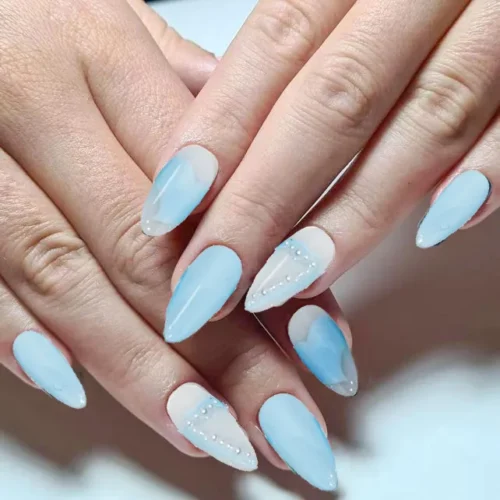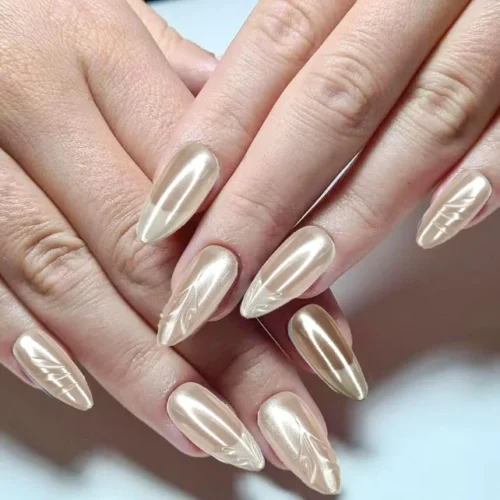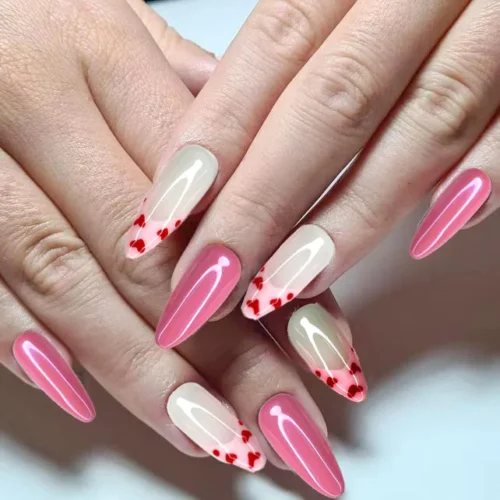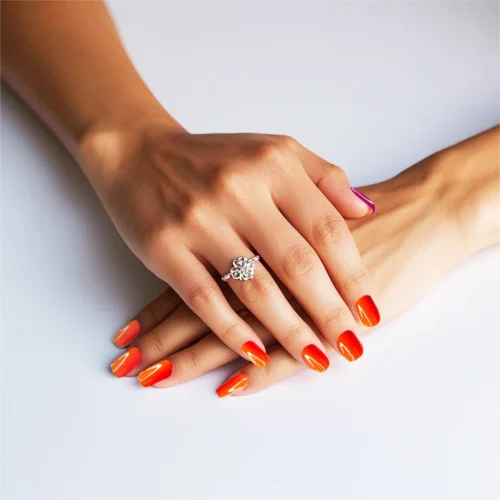
You love the ultra-glossy, chip-resistant look of gel nails—but you don’t love the idea of sitting under a UV lamp, or you simply don’t own one at home.
Maybe you’ve:
- Worried about UV exposure and skin aging
- Smudged “gel” nails that never seemed to fully dry
- Spent money on products that promised salon results but chipped in days
You’re not alone. Many people want the gel look without the UV lamp, confusion, or wasted time.
This guide breaks down what actually works to dry gel nails without a UV lamp, how to pick the right products, and how to avoid the common mistakes that ruin at-home manicures—so you can enjoy that glossy, long-lasting finish with more confidence and less stress.
First, Know What Kind of “Gel” You’re Using
This is the step most people skip—and it’s the reason so many at-home “gel” manicures go wrong.
There are three main types of gel or gel-like products:
- Traditional salon gel polish (UV/LED-cured)
- Needs a UV or LED lamp to fully cure
- Stays tacky or soft without light
- Often labeled “soak-off gel polish,” “UV/LED gel,” or “requires curing lamp”
- No-lamp / air-dry “gel-like” polishes
- Look and feel like gel but dry like regular polish
- Often labeled “no lamp needed,” “gel effect,” or “gel-like finish”
- Cure through evaporation, not UV
- Hybrid long-wear polishes
- Sometimes called “long-wear,” “2-step gel,” or “no-UV gel”
- Usually use a special top coat and careful air-drying
Key truth: If your product is a true UV/LED gel polish, it will not fully cure or harden without some form of UV light (traditional or LED). In that case, your best option is:
- Use an LED lamp (lower, more focused UV) or
- Switch to a no-lamp, air-dry gel-style polish for future manicures
If you’re not sure, grab the bottle and check the label now. Knowing what’s on your nails will tell you which methods below will work best.
Method 1: Use a No-Lamp Gel Polish (Best for Zero UV Exposure)
If you want to avoid UV lamps entirely, the most reliable approach is to start with a formula designed to dry without a lamp.
What to Look For on the Bottle
When shopping, look for phrases like:
- “No UV lamp required”
- “Air-dry gel” or “gel-effect polish”
- “Gel-like shine without a lamp”
- “2-step or 3-step system – no curing”
Avoid bottles that say:
- “Cure under UV/LED light”
- “For use with gel lamp”
- “Soak-off UV gel polish”
Once you’re using the right type of product, drying without a lamp becomes straightforward.
Step-by-Step: Applying and Drying No-Lamp Gel Polish
Here’s a simple routine that many at-home users find gives the best balance of speed and durability:
- Prep your nails properly
- Remove old polish
- Push back cuticles and gently buff the surface
- Wipe each nail with non-acetone remover or alcohol to remove oils
- Apply a thin base coat (if the system has one)
- Very thin, even layer
- Let it dry 2–3 minutes before the next step
- Paint two thin coats of color
- Shake the bottle gently first
- Keep each coat thin—thick layers take forever to dry
- Wait 3–5 minutes between coats
- Finish with a matching top coat
- Use the top coat recommended for that system if possible
- Cap the free edge (run the brush lightly across the nail tip) to reduce chipping
- Initial air-dry
- Let nails air-dry at least 10–15 minutes before touching anything
- After that, you can use the speeding methods below (fan, ice water, quick-dry products)
If you’ve been disappointed by “no-lamp gel” before, it’s often because coats were too thick or the drying time between layers was rushed. Giving yourself an extra 10–15 minutes can easily double how long your manicure lasts.
If you’re building a small home kit, consider adding a nail file, buffer, lint-free wipes, and a compatible base/top coat to support your polish. Those small details make a big difference.
Method 2: How to Dry Gel Nails Faster Without Any Lamp
Once you’re using an air-dry or no-lamp gel formula, you can speed things up with a few simple tricks. These don’t replace proper drying time entirely—but they do help your manicure set more evenly and feel touch-dry sooner.
1. Air-Drying With a Fan
A basic—but underrated—option.
How to do it:
- Sit in a cool, dry room
- Use a small desk fan or portable fan on a low, steady setting
- Position it so the air moves across your nails, not directly into them at high speed (which can cause ripples or dust)
Why it helps: These polishes dry as solvents evaporate. Gentle airflow speeds up that evaporation without overheating the surface.
Avoid: Using a hair dryer on the hot setting. Heat can soften the polish and cause bubbles. If you use a hair dryer, stick to cool air only.
2. The Ice Water Technique (Cold Shock Setting)
The ice bath method is popular because it’s simple and uses what you already have at home.
Step-by-step:
- After your final top coat, let your nails air-dry for 5–10 minutes.
- Fill a bowl with cool water and a handful of ice cubes.
- Slowly dip your fingers in, making sure nails are fully submerged but not touching the sides or bottom.
- Keep them in for 2–4 minutes.
- Gently remove your hands and let them air-dry for another 15–30 minutes.
What it does: The cold water helps the outer layer of polish firm up more quickly, making it less likely to dent from light bumps.
Important: Your nails may feel dry after the ice bath, but deeper layers can still be soft. Treat them gently for at least an hour—no hot water, no heavy typing, no rummaging in bags.
If you hate the feeling of very cold water, you can use chilled (not icy) water to get a milder version of the same effect.
3. Quick-Dry Spray or Drops
Quick-dry products are designed to help any air-dry polish set faster, and they work well with many no-lamp gels.
How they work:
- Sprays: Create a thin, protective layer that helps solvents escape more quickly and shields the surface from dust or tiny knocks.
- Drops: Often oil-based; they spread over the nail, reducing surface tackiness and speeding up dry time.
How to use them:
- Apply them after your final coat of top coat.
- Hold the spray a few inches away and mist lightly, or apply 1–2 drops per nail.
- Let your hands rest flat for 5–10 minutes.
Pros:
- Great for people who always end up denting nails while “waiting”
- Can reduce surface dryness time noticeably
Cons:
- Some sprays leave a residue you’ll want to wash off later
- Oil-based drops can slightly reduce the lifespan of your manicure if used too heavily
Many readers find it helpful to keep a quick-dry product in their at-home manicure kit for “I-don’t-have-all-day” situations.
4. What Doesn’t Work Well
To save you time and frustration, avoid these common “hacks”:
- Baking nails under a hot hair dryer – heat can cause bubbling and soft polish
- Cooking or washing dishes right away – steam and hot water soften semi-dry nails
- Constantly “testing” dryness with your fingertip – this almost guarantees dents and fingerprints
Instead, set yourself up somewhere comfortable, put on a show or podcast, and commit to 30–60 minutes of low-activity time. The payoff is a smoother, longer-lasting manicure.
Method 3 (Optional): LED Lamps as a Lower-UV Compromise
If you already own traditional gel polishes that require curing, your only way to fully harden them is with UV or LED light.
For people who are less comfortable with full UV lamps but still want quick, hard curing, LED lamps are a popular middle-ground option:
- They cure many gel formulas in 30–60 seconds per layer
- They use a narrower band of UVA light than some older UV lamps
- Bulbs typically last much longer and use less energy
However, it’s important to understand that LED lamps still emit UV light—just differently. Many dermatologists recommend:
- Applying a broad-spectrum sunscreen to hands 15–20 minutes before use
- Or using fingerless UV-protective gloves
If you choose this route:
- Work with thin coats of gel polish.
- Cure each layer (base, 1–2 color coats, top coat) for the time recommended by the lamp and polish brands.
- Follow with cuticle oil once you’re done to replenish moisture.
If zero UV is your priority, stick with no-lamp gel-style products and the ice/fan/quick-dry methods above. If your priority is durability and speed, an LED lamp plus smart protection is worth considering.
Prep Matters: Make Your Gel Dry Faster and Last Longer
Whatever drying method you use, good preparation dramatically affects both drying time and wear.
1. Start With Clean, Dry Nails
- Remove all old polish
- Wash hands with soap and water; dry thoroughly
- Wipe nails with alcohol or non-acetone remover to remove lotions and oils
Skipping this step can cause bubbling, streaking, and early chipping.
2. Gently Shape and Buff
- Shape the free edge with a file
- Lightly buff the surface to remove shine (especially if your nails are very smooth or oily)
- Dust off debris so it doesn’t get trapped under the polish
This helps the polish grip the nail instead of sitting on a slick surface.
3. Use Thin, Even Coats
Thick coats:
- Take much longer to dry
- Smudge and dent easily
- Are more likely to peel or wrinkle
Think “three thin layers” instead of “two thick ones” if you want a truly smooth finish.
4. Cap the Free Edge
After each coat, run the brush lightly across the tip of your nail. This tiny extra step helps seal the edge, one of the first places polish chips.
Before your next at-home manicure, consider giving yourself an extra 10 minutes just for prep. Many people find their “gel” finally lasts more like it should once they stop rushing this part.
Drying Timeline: What to Expect (No-Lamp Methods)
Exact times vary by brand and thickness, but this rough timeline helps set realistic expectations:
- 0–15 minutes after finishing top coat
- Nails are very vulnerable
- Sit, relax, use a fan, quick-dry spray, or ice bath
- 15–45 minutes
- Surface usually touch-dry if you used thin coats
- Avoid heat, tight pockets, cooking, showers, or doing dishes
- 45–60 minutes
- Polish is significantly firmer
- Light activities are usually safe (typing, light phone use), but still be mindful
- After 1–2 hours
- Most no-lamp gel-style manicures are fully set
- You can resume normal activities, including washing hands in warm (not scalding) water
Planning your manicure for a time when you can genuinely take it easy—like during a movie night—helps you avoid the “I ruined them again” frustration.
Frequently Asked Questions
Can I dry traditional salon gel polish without any UV or LED light?
No. True UV/LED gel polishes are formulated to cure only when exposed to specific light wavelengths. Without that, they stay soft, dent easily, and may never fully harden. If you don’t want to use a lamp, switch to a no-lamp gel-style polish instead.
Is the ice water method enough on its own?
Ice water helps speed up the surface setting, but it does not instantly cure all layers. Think of it as a booster, not a replacement for giving your nails adequate overall drying time.
How long does no-lamp gel polish really last?
With good prep, thin coats, and a quality product, many people get 5–10 days of wear, sometimes more. If you frequently use your hands for typing, cleaning, or crafting, wearing gloves for chores and avoiding harsh chemicals will help extend wear.
Why does my no-lamp “gel” never feel fully hard?
Common reasons include:
- Coats are too thick
- Not enough dry time between layers
- Nails were oily or had lotion on them
- The product is a true UV gel that actually needs a lamp
Try adjusting your technique first. If it still fails, re-check the label—you may be using the wrong type of product for no-lamp drying.
Conclusion: Choose the Gel Drying Method That Fits Your Life
You don’t have to choose between gorgeous gel nails and your peace of mind about UV exposure—or between a salon appointment and a smudged at-home disaster.
To dry gel nails without a UV lamp, you can:
- Switch to a no-lamp gel-style polish that’s made to air-dry
- Use smart drying boosters like fans, ice water, and quick-dry sprays or drops
- Prep your nails correctly and respect realistic drying times
If you decide you’re comfortable with a low-UV compromise, an LED lamp plus basic hand protection can give you true gel durability in minutes. If you prefer zero lamps, a well-chosen no-UV gel polish and the methods above can still deliver glossy, longer-lasting results.
Consider choosing one method from this guide to try in your next manicure session—then refine your routine from there. With a little practice and the right products, you can enjoy beautiful, chip-resistant nails at home, no UV lamp required.