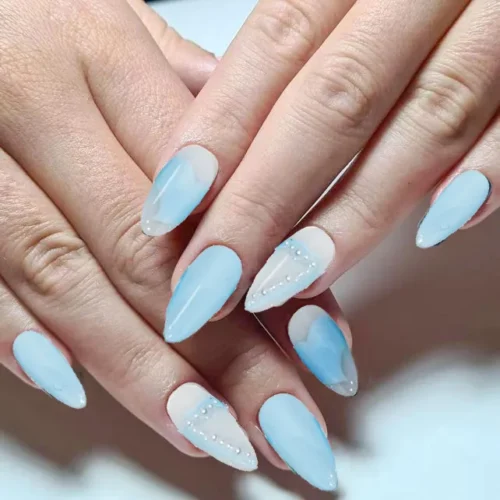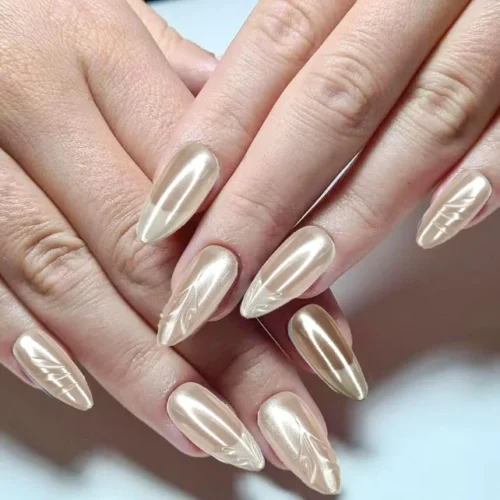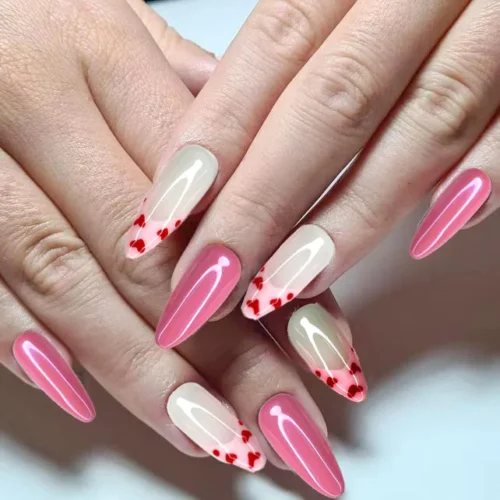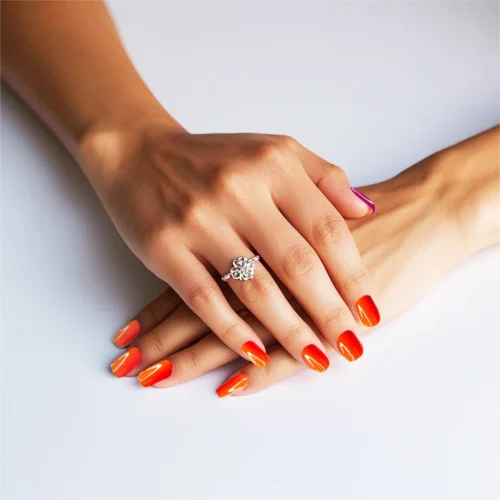

To measure nails for press-on nails, measure each nail’s width at its widest point in millimeters using tape or a ruler. Always measure both hands and round up if between sizes.
Chances are you’re here because you want press-on nails that look salon-perfect without the salon hassle. The secret isn’t a fancy design or industrial-strength glue, but accurate press-on nail sizing. When your press-ons match your natural nail width and curve, they look seamless, feel comfortable, and stay on longer. When they don’t, they lift at the edges, pinch, pop off early, and make even the prettiest set look “off.” This guide walks you through the easiest, most reliable ways to measure your nails for press-on nails at home. Keep a notes app or small card handy, you’ll want to save your measurements for future sets.
Why proper nail sizing matters
- Better look: A correctly sized tip sits flush from sidewall to sidewall and hugs your cuticle line without touching skin. That tight visual fit is what makes press-ons pass for professional enhancements.
- More comfort: Too-small nails compress the sidewalls; too-large nails ride your skin and feel bulky. The right size disappears on your hand.
- Stronger wear: When the tip matches your width and curve, adhesive makes full contact, reducing gaps that invite lifting.
- Health and hygiene: Gaps can catch water and debris. A snug, accurate fit helps minimize moisture pockets so your natural nails stay happier underneath.
If you’ve tried press-ons before and felt disappointed, there’s a great chance correct sizing will change everything. Many readers find that one careful measuring session pays off for every set afterward.
What you’ll need to measure at home
Pick one of these options based on what you have. All work well when done carefully.
- Clear tape + straight ruler (millimeters)
- Soft, flexible measuring tape (sewing tape)
- Digital caliper (optional, very precise)
- Sizing/fit kit from a seller (a quick, confidence-boosting option)
- Photo method with a coin or card (only if your maker accepts it)
Before you measure: quick preparation
Clean, prep, and position your hands so you get true readings.
- Remove polish and oil; wash and dry your hands.
- Gently push back cuticles so you can see your true sidewalls.
- Keep your free edge neat but don’t over-file; measure the natural nail plate you’ll be covering.
- Identify the widest point of each nail plate. This is usually around the middle, not at the cuticle line.
- Measure both hands. It’s common for the same finger on each hand to differ by 1 mm.
- Sit by a window or bright lamp so you can see where the nail meets the skin.
Consider jotting down each finger’s width in mm as you go, in left-to-right order. Many shoppers create a “size passport” once and reuse it for every future purchase.
How to measure nails for press-on nails
Choose the method that suits your tools and comfort level when learning how to measure nails for press-on nails. The goal is always the same: measure sidewall to sidewall at the nail’s widest point, following your natural curve.
Clear tape + ruler
- Cut a thin strip of transparent tape.
- Place it across the nail’s widest point, pressing the tape to follow your nail’s curve (no air gaps).
- Mark where the tape meets each sidewall with a fine pen. Avoid thick marker tips that add extra width.
- Peel the tape off and lay it on a ruler that reads in millimeters; read the distance between your two marks.
- Record each nail’s width, including which hand.
- If you’re between marks, round up by 0.5–1 mm; you can always fine-tune a slightly larger tip by filing the sides.
Consider saving each nail’s width and eventual size code in your phone so reorders are instant.
Soft measuring tape
- Use the mm side of a sewing tape.
- Curve it gently across the widest point of your nail, from sidewall to sidewall.
- Keep the tape snug to your nail’s surface (don’t flatten your natural curve).
- Note the millimeter reading and record it finger by finger.
If the tape is floppy, brace your hand on a table and use your other thumb to hold the 0 mark steady while you read the width.
Digital caliper
- Lightly open the caliper jaws and place them at your nail’s widest point.
- Close until the jaws just touch the sidewalls for a snug fit, not a squeezing one.
- Read the mm measurement on the display and write it down.
- Repeat for each nail on both hands.
Calipers help if your nails have a pronounced C-curve or if you often land between sizes. They’re inexpensive and remove guesswork.
Sizing/fit kit from a seller
Many sellers offer a kit with numbered tips. You try each number on each finger and record which one fits flush.
- Place a tip on your nail without glue. It should meet both sidewalls with no overhang and align with your cuticle line.
- If you’re torn between two, pick the larger and lightly file the sidewalls for a custom feel.
- Write down the numbers per finger for left and right hands.
- Keep the card; you can reuse the same numbers for the same brand/shape.
You might consider ordering a sizing kit first if you plan to buy multiple designs, as it’s a small step that makes every future order effortless.
Turn your millimeters into press-on sizes
Each brand and shape can size a little differently, but most press-on tips are numbered from 0 (largest) to 9 (smallest). Use your mm widths as your universal reference, then match them to the brand’s size chart. If you don’t have a chart, a rough guideline many sets follow is:
- 18–19 mm ≈ size 0 (commonly thumbs)
- 17 mm ≈ size 1
- 16 mm ≈ size 2
- 15 mm ≈ size 3
- 14 mm ≈ size 4
- 13 mm ≈ size 5
- 12 mm ≈ size 6
- 11 mm ≈ size 7
- 10 mm ≈ size 8
- 9 mm ≈ size 9
Important notes that pros swear by:
- When in doubt, size up and customize. You can file a press-on narrower; you cannot add width to a nail that’s too small.
- Record the underside numbers if your tips are labeled; this will speed up future applications.
- Shapes and lengths affect fit. Tapered (almond, coffin, stiletto) tips can feel slightly narrower at the sidewalls than square tips in the same “number.” If you love tapered shapes and land between sizes, it’s safer to round up.
- Adhesive type matters. Glue creates the strongest, thinnest bond and needs accurate sizing. Adhesive tabs are cushier and can fill a whisper of extra space, but they also add height; aim for precise sizing either way.
If your measurements vary widely from “standard” bundles (XS–L), consider ordering custom sizing. Many readers choose custom once and never look back, because every design after that fits perfectly on arrival.
Pro tips for a nail fit
- Follow your nail’s curve. Measuring “across the air” gives a smaller number than measuring across the actual surface. Keep tape tight to the nail.
- Don’t measure at the cuticle line. Most nails are widest a few millimeters above the cuticle. Find that true widest point.
- Expect differences hand-to-hand. Dominant hands and past nail breaks can change width slightly over time, so be sure to write down both measurements.
- Avoid pen thickness error. Thick marker lines can add 1–2 mm. Use a fine pen or pencil.
- Re-measure periodically. Nails change through seasons, growth, and life events. A 5‑minute refresh every few months keeps your “size passport” current.
Many buyers like to request an extra pair of their most-used sizes in case you lose a nail. You might explore that option if your seller offers add-on sizes.
Common nail sizing mistakes to avoid
- Guessing from photos: Hands, lenses, and angles lie. Always measure in mm or use a fit kit.
- Choosing smaller for a “sleek” look: Small nails lift, pinch, and look artificial. Use the correct width and refine the shape with gentle side-filing.
- Ignoring shape differences: Switching from square to stiletto or from short to long can change how the sidewalls meet your skin. Re-check fit when you try a new shape/length.
- Measuring over polish or thick cuticle: You’ll add bulk that isn’t there once prepped, causing your ordered set to run big.
- Forgetting to log sizes: Measuring once and losing the notes wastes time later. Make a permanent record, and your future self will thank you.
Fit check before you glue
Do a quick “dry fit” rehearsal as soon as your set arrives.
- Lay out the ten tips in application order from left pinky to right pinky.
- Place each tip on its nail without adhesive. Check that it meets both sidewalls, aligns with the cuticle curve, and sits flush with no rocking.
- If a sidewall barely overhangs, lightly file the side of the press‑on instead of your natural nail until it fits perfectly.
- Note the underside numbers for next time and snap a photo of your layout for reference.
Consider trying one hand with tabs and one with glue on a rest day to see which holds better for your lifestyle. Many people prefer glue for longevity and tabs for quick events.
Summary: your path to perfect press-on sizing
Measure each nail at its widest point in millimeters, following your natural curve; do both hands; record your numbers; then match them to the brand’s size chart, rounding up when between sizes so you can fine-tune with light side-filing. Use clear tape with a ruler, a sewing tape, or a caliper for accuracy, or a sizing kit if you want a fast, foolproof path. Double-check shape and length since tapered or very long tips can fit differently, and always dry-fit before gluing for a comfortable, long-lasting, salon-level result.
FAQs about nail sizing for press-ons
How do I measure curved or very arched nails?
Use tape or a caliper so you capture the true surface width. If you have a high C-curve, look for flexible press-ons; they conform better and glue more evenly.
My thumbs seem huge and my pinkies tiny. Is that normal?
Yes. Most people span multiple sizes across a set. That’s why custom sizing or recording exact numbers leads to the most natural result.
What if two sizes feel almost right? P
Pick the larger one and refine with a nail file. A slightly bigger tip you customize will outlast a slightly too-small tip every time.
How often should I re-check my measurements?
Any time your nails change length or shape significantly, after a few months of growth, or if your last set needed more filing than usual.
Can I reuse well-fitted press-ons?
Absolutely. Proper sizing and gentle removal make reuse much easier. Keep your size notes; they help you reorder single replacement nails if your seller allows.