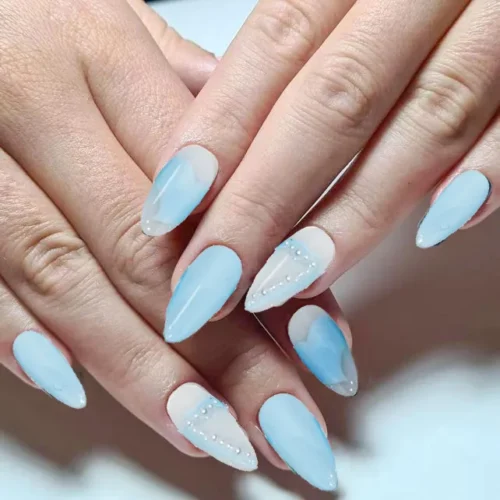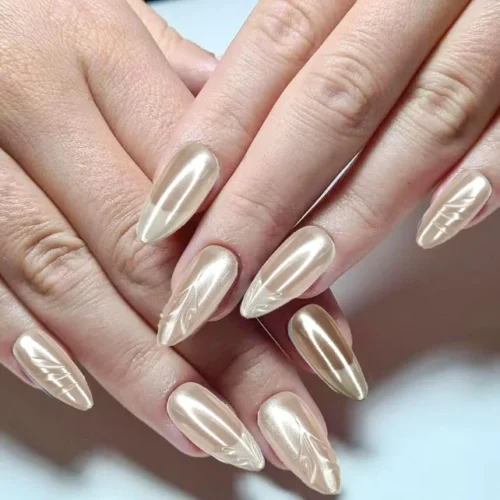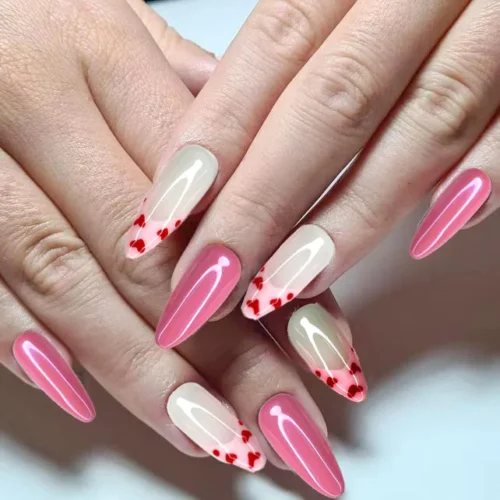

Stubborn nail glue can turn a simple manicure change into a mini crisis. Pulling or prying risks peeling away layers of your natural nail, leaving them thin, rough, and sore. With the right setup and a calm, methodical approach, you can remove false nail glue cleanly at home without tearing, panic, or long recovery time.
This guide walks you through the safest ways to remove nail glue from your nails, with and without acetone, plus what to do about lingering residue and how to protect your nails afterward. You’ll also learn a few pro habits that make next time dramatically easier. If you’re ready for a gentle reset and a fresh set, you’re in the right place.
First, understand the glue you’re up against
Most false-nail adhesives are cyanoacrylate-based, the same type as super adhesives, and they are designed to bond quickly and cure when exposed to moisture. That quick, strong bond is fantastic for long wear and not so fantastic when you rush removal. Cyanoacrylates dissolve in certain solvents and can be coaxed to release with time, warmth, and oil. They cling more aggressively to dry, slightly rough surfaces. This is one reason pre-buffed nails feel secure yet risky to peel off hastily.
The key mindset shift is that you’re not “yanking off” glue; you’re breaking its bond in stages until the nail lets go with minimal effort.
Before you start: set up for damage‑free removal
A minute of prep saves weeks of recovery. Create a small, comfortable station with good light and a towel you don’t mind staining. Protect the surface beneath.
- Shorten length: If you’re wearing press‑ons or tips, clip or file down extra length. Shorter nails reduce leverage and the temptation to pry.
- Wash and dry: Clean hands remove oils that interfere with solvents and soften any debris or lotions stuck near the edges.
- Shield your skin: Smooth a thin ring of petroleum jelly or thick balm around each nail to protect the surrounding skin from drying solvents.
- Break the top seal: Very lightly scuff the glossy topcoat or hardened glue with a fine buffer (240–320 grit). You are only dulling the surface to help the solvent penetrate, so heavy filing is not needed.
Consider assembling a tidy “nail rescue kit” you can grab anytime: 100% acetone, lint‑free pads, foil squares or nail clips, wooden/orange sticks, a soft buffer, cuticle oil, and a rich hand cream. Many readers keep these in a small pouch to avoid scrambling when a lift or pop‑off happens.
Method one: fast acetone soak‑off for strong, long‑wear glue
If you used a durable glue or you’ve worn your set for more than a week, acetone is the quickest, most reliable route. It dissolves cyanoacrylate bonds so the nail can slide off rather than rip off.
There are two methods to choose from, so pick whichever is simpler and less messy for you.
The targeted foil‑wrap method
- Saturate small cotton pieces with 100% acetone. Place one on each nail.
- Wrap snugly with foil or use reusable nail clips to keep the cotton in close contact. A tight seal prevents evaporation and speeds results.
- Wait 10 minutes, then check one nail. If the false nail or glue lifts with gentle pressure from a wooden stick, continue. If not, rewrap and wait another 5–10 minutes.
- Nudge, don’t pry. Work from the sidewalls toward the center. If you meet strong resistance, stop and re‑soak. For most sets, a second round is all it takes.
Why this works so well: only your nails, not your entire hands, are exposed to acetone. It’s faster, cleaner, and less drying than bowls.
The classic bowl soak
- Fill a glass or acetone‑safe bowl with enough 100% acetone to submerge your fingertips. Place a folded paper towel at the bottom to catch softened glue.
- Soak for 10–15 minutes. Gently rub your nails on the paper towel under the liquid to encourage release.
- Lift your hands, then coax off the nails and softened glue with a wooden stick. Repeat short soaks as needed.
Helpful pro tips:
- Keep acetone at room temperature; do not heat it. It’s flammable, and warm acetone evaporates quickly and can be harsh.
- Ventilate your space and avoid open flames or candles.
- If your skin is very sensitive, consider placing a thin layer of cuticle oil on the surrounding skin before you begin, and take short breaks between wraps.
When you’re done, rinse with lukewarm water and a gentle soap, then move straight to the aftercare section below to restore moisture.
Method two: no‑acetone removal for sensitive nails or light glue
Prefer a gentler path? If your press‑ons were worn only a few days or you used a lighter application of glue, you can often remove them with patience, warm water, and oil.
- Create a warm water bath: Mix a bowl of comfortably warm (not hot) water with a few drops of mild soap and a teaspoon of oil (cuticle oil, olive, or baby oil work well). The soap helps the water penetrate; the oil slides between glue and nail.
- Soak for 15–20 minutes. Wiggle the nails occasionally to test movement, but never force.
- Gently lift where you see separation: Use a wooden/orange stick to tease up edges, working slowly. If it doesn’t lift easily, return to the soak for another 10 minutes.
- Remove residue the gentle way: Massage a few drops of oil into the remaining glue; let it sit for 2–3 minutes, then buff lightly with a soft buffer. Repeat “oil, wait, buff” cycles rather than scraping.
You might explore a non‑acetone remover formulated for artificial nails if you want something stronger than oil but softer than acetone. Expect a slower dissolve, but many people find the trade‑off worth it for less dryness.
Stuck edges and stubborn residue: how to lift the last bits
Even with perfect soaking, a thin film of glue can cling to the nail plate or gather at the sidewalls. Finishing cleanly prevents that gritty feel and keeps your next polish smooth.
- Targeted dissolve: Hold an acetone‑dampened cotton swab or pad on the spot for 30–60 seconds. Gentle circular motions usually melt the remainder.
- The “oil sandwich” for sensitive nails: Massage cuticle oil into the residue, wait two minutes, then swipe with a small amount of acetone on a pad. The oil slows acetone’s bite on your skin while still lifting glue.
- Light, even buffing: Use a fine buffer with almost no pressure. Think “polish the glue,” not “file the nail.” Stop as soon as the surface feels smooth.
- Wash, then neutralize dryness: Cleanse with soap and water to remove solvent traces, then moisturize thoroughly to replenish lipids that solvents strip away.
If you see faint white patches on the nail afterward, that’s usually temporary dehydration. Oil and a day of rest typically restore your natural sheen.
Aftercare that brings nails back fast
Removal day is moisture day. Glue and solvents dehydrate both the nail plate and the surrounding skin, and replenishing that moisture immediately helps prevent peeling and splitting.
- Flood with cuticle oil: Jojoba‑rich or squalane‑based oils penetrate well. Work it into the sidewalls and under the free edge.
- Seal with a creamy hand treatment: Look for a mix of humectants (glycerin), emollients (shea, ceramides), and occlusives (petrolatum) to lock everything in.
- Give your nails a brief breather: Even 24–48 hours without glue or polish reduces the risk of irritation and lets natural moisture rebalance.
- Consider a strengthening base: If you plan to polish, choose a breathable, strengthening base coat to protect the nail surface while you wear regular color.
- Smooth edges only: If any layers lifted at the tips, carefully seal them with a glass file in one direction to prevent catches.
Many readers choose to keep a small roller of cuticle oil at their desk or nightstand and swipe it on twice a day for the week after removal. Tiny habit, big payoff.
Common removal mistakes to avoid
A lot of damage happens in seconds. Skipping these pitfalls preserves months of growth.
- Prying or peeling while dry: If it doesn’t glide off with light pressure, it’s not ready. Re‑soak.
- Metal scraping: Hard tools gouge the nail plate. Stick to wooden/orange sticks and soft buffers.
- Over‑filing: Thinning the nail to “erase” glue weakens it and makes future bonding uneven.
- Hot acetone or open flames: Acetone is highly flammable; keep it room‑temperature and away from heat.
- Rushing reapplication: Gluing new nails onto a dehydrated plate freezes in brittleness. Moisturize first, then wait.
Make next time easier: smart prep at application
Thoughtful application makes removal simple later. A few small tweaks can save you time and stress.
- Use less glue than you think: A tiny, even layer on the natural nail prevents squeeze‑out and thick residue.
- Don’t over‑buff before gluing: A gentle de‑shine is plenty. Over‑roughening creates deep “tooth” that grips too hard.
- Consider a peel‑off or protective base: If reusability and easy removal matter most, a peel‑off base or a thin layer of clear polish can form a barrier. Expect slightly shorter wear.
- Keep edges clean: Wipe any glue that squishes to the sidewalls before it sets. Dried ridges are what snag and tempt picking.
- Hydrate daily: Well‑oiled nails flex instead of snapping, and hydrated skin is less likely to adhere to stray glue.
If you switch styles often for events, you might explore adhesive tabs for short wear. They’re gentler to remove and excellent for one‑to‑three‑day manicures.
Quick troubleshooting by scenario
- The edges lift but the center won’t budge: Slide a bit of acetone‑damp cotton beneath the lifted edge and rewrap with foil for 5–7 minutes. Work slowly from both sidewalls toward the center to avoid tearing the apex.
- Glue spilled onto skin around the nail: Soak in warm soapy water for several minutes, massage in oil, then gently roll the glue away with your thumb. Avoid picking; skin usually sheds the last traces in a day or two.
- You accidentally used household “super” glue: Treat it the same as strong nail glue, as acetone will dissolve it. If the glue bonded skin to skin or you notice irritation, soak in soapy water and oil, then use acetone sparingly. Seek professional help if glue is near eyes, mouth, or causes a burn‑like sensation.
Your at‑home nail glue removal kit
A minimal kit keeps you calm and in control when a nail catches or a set needs to come off before a meeting.
- 100% acetone and a non‑acetone remover
- Lint‑free pads, cotton swabs, foil squares or nail clips
- Wooden/orange sticks and a soft 240–320 grit buffer
- Cuticle oil and a rich hand cream
- Petroleum jelly or thick balm to protect skin
- A small glass bowl and a clean towel
Consider picking up these basics once and storing them together and you’ll save time and protect your nails every single removal.
Conclusion
To safely get false nail glue off your nails, think dissolve, not pry. Prepare by shortening length, protecting the surrounding skin, and lightly scuffing the surface. For strong, long‑wear glue, use 100% acetone with foil wraps or a short bowl soak, reapplying until nails lift with minimal effort. For sensitive nails or light glue, warm soapy water plus oil can release press‑ons with patience. Remove last bits with targeted acetone or an oil‑then‑swipe approach, buffing lightly only as needed. Finish with generous cuticle oil, hand cream, and a brief polish‑free pause. Avoid metal tools, hot acetone, or peeling while dry, and make future removals easier by using minimal glue, keeping edges clean, and considering a protective base or adhesive tabs when appropriate.