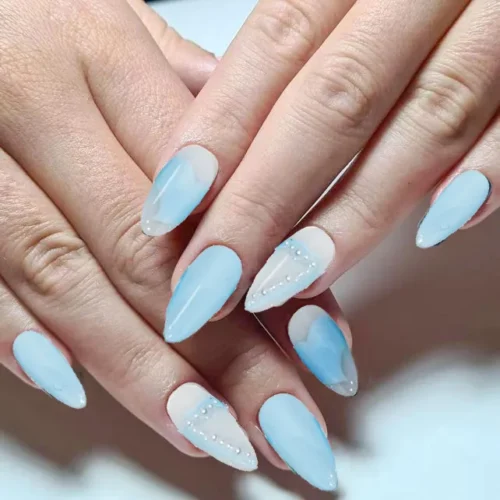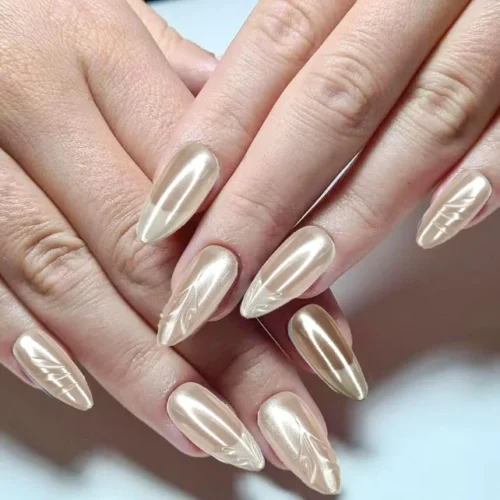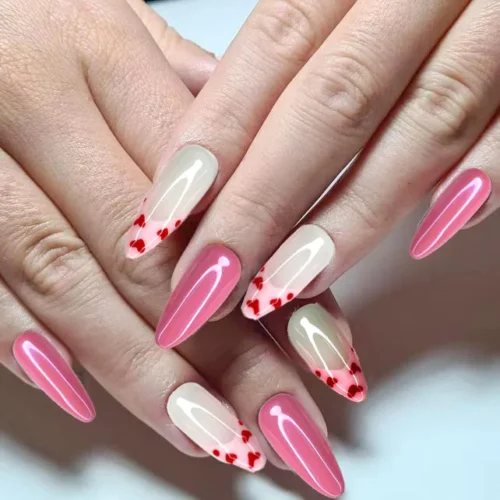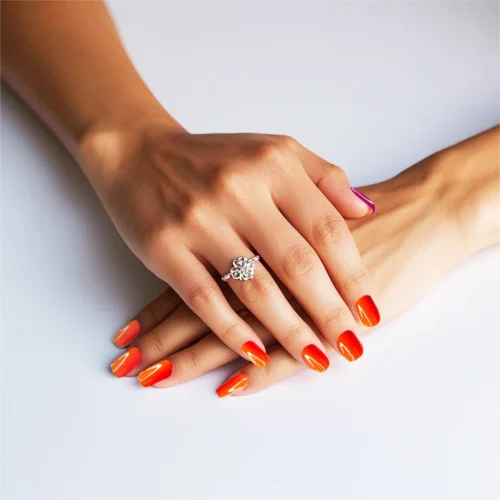

To remove press-on nails without damaging your natural nails, soak them in warm soapy water or acetone to soften the adhesive, then gently lift the edges using a wooden stick. Never force the nail off. Let the glue dissolve first to protect the natural nail plate.
Press-on nails are meant to be fun, not a fight. If you’ve ever tried prying off a stubborn tip only to feel that sharp sting or notice peeling afterward, you know how frustrating removal can be.
The good news is that damage isn’t inevitable. With the right preparation, the right solvent, and the right lifting technique, you can remove press-on nails cleanly while keeping your natural nails healthy and ready for your next set.
This guide explains how to remove press-on nails safely at home, step by step.
A stress‑free way to say goodbye to press‑ons
Most at‑home damage happens in two moments: rushing the soak and forcing the lift. Nail techs agree that if a press‑on resists, it simply isn’t ready. Give the adhesive more time to soften, then try again. Think “wiggle like a loose baby tooth,” not “pry like a bottle cap.”
You’ll also protect your nails more by choosing the removal method that matches the adhesive you used. A few minutes spent diagnosing what’s on your nails will save you time and preserve your nail plate.
First, understand what’s holding your press‑ons on
Press‑ons stick in two main ways:
- Adhesive tabs (pre‑applied stickers): They release with warm, soapy water plus a little oil. They’re the easiest to remove and best for reusing tips.
- Nail glue (cyanoacrylate): Stronger and longer‑lasting. Acetone dissolves it fastest. Warm water helps, but you’ll likely need acetone or a dedicated remover.
Not sure which you used? Look at the edge near your cuticle. If you see a flexible, gummy layer that rolls when oiled, it’s probably a tab. If the bond feels rigid and glassy, it’s glue. Choose your method accordingly.
Set up your space and protect your skin
You don’t need a salon setup, just a few smart choices that keep the process clean and gentle. Work at a table with good light and ventilation. Protect the surface with a towel.
Helpful tools to have within reach:
- A small glass or ceramic bowl (avoid plastic for acetone)
- Liquid dish soap, skin‑safe oil (cuticle, coconut, olive), and/or acetone
- Orangewood stick or plastic/nylon cuticle pusher (skip metal on natural nails)
- Nail clippers (for trimming very long tips), a soft 240–320 grit buffer
- Thick hand cream and cuticle oil for aftercare
- Cotton pads or balls and small foil squares (optional, for a low‑fume acetone wrap)
Before you start, massage a thin ring of petroleum jelly or thick cream around each nail to shield your skin, especially if you’ll use acetone. Consider trying reusable pump bottles or wrap clips to make the process tidier next time.
Method 1: How to Remove Press-On Nails With Warm Soapy Water
This is the gentlest way to remove press‑ons, ideal for adhesive tabs or older glue that’s already loosening. It also preserves the tips for another wear.
- Make a warm bath. Fill your bowl with a few inches of comfortably warm water. Add a hearty squirt of liquid dish soap and a teaspoon of oil. The soap helps the water penetrate; the oil keeps your skin from drying out.
- Soak, then flex. Submerge fingertips for 10–15 minutes. Around minute 10, gently press the free edge of each nail up and down to encourage water under the press‑on. No prying, just a soft flex.
- Oil the seam. Lift your hands, pat dry, and run a little cuticle oil along the sidewalls and under any lifted edge. Oil acts like a “slip” to break the seal.
- Lift gently. Slide an orangewood stick parallel to the nail plate, starting at a sidewall or the cuticle area where you see the first hint of lift. Rock the tool, don’t lever it. If you meet resistance, stop and re‑soak for 3–5 minutes.
- Rinse and repeat. Stubborn nails usually need a second warm soak. Resist the urge to force a single holdout, because those last two minutes of patience pay off with damage-free removal.
Method 2: How to Remove Press-On Nails With Acetone
When glue is fresh or extra strong, acetone is the efficient option. It will likely ruin the press‑ons for reuse, but it spares your natural nails when used correctly.
- Prep the surface. Snip off very long tips so the solvent reaches the bond faster. If you have rhinestones or 3D accents, clip or file them off to thin the surface.
- Shield your skin. Coat the surrounding skin with a rich cream or petroleum jelly. Ventilate the area and keep acetone away from flames.
- Choose your style: soak or wraps.
- Classic soak: Pour acetone into a glass or ceramic bowl and submerge your fingertips for 5 minutes at a time. Check progress between rounds.
- Cotton‑and‑foil wraps: Saturate cotton with acetone, place on each nail, and wrap with foil to seal. This limits fumes and concentrates solvent where you need it.
- Check and nudge. After the first 5 minutes, test a sidewall with your orangewood stick. If the nail doesn’t lift easily, rewrap or resoak for another 5 minutes. Expect the press‑on surface to soften, that’s normal.
- Finish gently. Once lifted, use a lightly oiled stick to “squeegee” away softened adhesive. Wipe residue with an acetone‑damp cotton pad. Wash hands with soap and water as soon as you’re done, then rehydrate.
If acetone irritates your skin, consider picking up a non‑acetone press‑on remover formulated with oils and solvents. It’s slower than pure acetone but kinder to skin.
Method C: Dropper‑and‑lift with cuticle oil or remover
If your set is partly lifted or you want to save it for reuse, a targeted approach is tidy and effective.
- Add drops. Tilt your fingertip and place a few drops of cuticle oil or a dedicated press‑on remover along the cuticle line and sidewalls. Let it creep under the press‑on.
- Massage and wait. Gently massage the nail for 30–60 seconds to encourage penetration. Give it another minute to work.
- Lift in stages. Starting where the bond feels weakest, ease the orangewood stick under the edge and rock it side to side. When you feel resistance, add a drop and pause. Work around the perimeter until the nail slides off.
This method pairs beautifully with a brief warm water soak to speed things along.
The gentle lift that prevents damage
How you lift matters as much as how you soak. Aim the tip of your tool flat against the nail plate, then glide gently instead of gouging. Keep movements tiny and lateral; imagine “unzipping” the seal in micro steps around the edge. Never yank from the free edge straight upward. That lever action is what peels layers from the nail plate and leads to soreness, white patches, or splitting.
A simple rule to protect your natural nails: if a nail doesn’t release with feather-light pressure, you need more softening, not more force.
How to Remove Press-On Nail Glue Residue
A little leftover adhesive is normal. Start with the least abrasive option and only escalate if needed.
- Oil first: Massage cuticle oil over the nail and roll off softened glue with a wooden stick. Often, the residue “pills” and lifts away without filing.
- Then a gentle wipe: For glue, a cotton pad barely damp with acetone removes haze quickly. Keep contact brief and focused on the residue, not the surrounding skin.
- Buff last: If you still feel bumps, use a 240–320 grit buffer with a whisper‑light touch, keeping it flat and moving. You’re smoothing adhesive, not sanding nail.
If a chunk won’t budge, go back to a quick soak rather than over‑buffing. Over‑filing thins the nail plate and can take weeks to grow out.
Post‑removal nail rehab you can feel immediately
Removal temporarily dehydrates nails and skin. A little TLC right now makes a big difference in how your nails look and feel over the next few days.
- Wash, then seal: Clean hands with soap and water, pat dry, and apply a rich hand cream while skin is still slightly damp to lock in moisture.
- Feed the cuticles: Massage cuticle oil into each nail fold and the nail plate. Repeat twice daily for 48 hours for best results.
- Smooth and protect: If nails feel rough, a single pass with a fine buffer followed by a sheer ridge‑filler or strengthening base coat gives instant gloss and protection.
- Be kind for a day: Avoid long hot soaks and harsh cleaners without gloves for 24 hours. Nails re‑equilibrate moisture during this window.
Planning to reapply press‑ons immediately? You can, especially if you removed gently and your nails feel comfortable. If nails are tender, give them a one‑ to two‑day breather with oil and base coat before your next set.
Many readers choose a small, affordable nail‑care kit to make this reset routine effortless after every removal.
Troubleshooting stubborn nails and common questions
What if one nail won’t budge? Pause and re‑soften. Warm, soapy oil soaks work wonders even if you started with acetone. A drop of oil under the edge plus three more minutes of soaking usually does the trick. If it still resists, leave it and come back later because fighting a single holdout is the fastest way to damage your nails.
Can I use dental floss to pop them off? Only if the bond is already very loose and you’ve lubricated the seam with oil. Even then, slide the floss gently from the cuticle side with a sawing motion and stop at the first sign of resistance. Used too early, floss can shear layers from the nail plate. When in doubt, soak, don’t saw.
How long should I soak? Work in short rounds: 5 minutes with acetone; 10–15 minutes with warm, soapy water. Check between rounds. Two moderate soaks are safer than one marathon.
Is non‑acetone remover okay? Yes, but expect it to be slower on strong glue. It’s a comfortable option if your skin is sensitive; pair it with patience and gentle lifting.
Can I reuse my press‑on set? Absolutely, if you removed with the warm‑soapy‑oil or dropper method. After removal, wipe the underside with rubbing alcohol to degrease, then store pairs together in a small container. Reapply with fresh adhesive tabs or a tiny dot of glue next time.
When should I seek help? If you notice redness, throbbing, greenish discoloration, or painful lifting of the natural nail, pause DIY removal and consult a professional. Pain is a cue to stop, not to pry harder.
Make your next removal even easier
A few smart choices during application simplify everything later:
- Go lighter on glue. A tiny dot applied at the center of each nail often holds beautifully for everyday wear and releases more cleanly than a heavy coat.
- Try adhesive tabs for short events or photo days. They remove with warm water and preserve the set.
- Seal, don’t sand. Before application, avoid heavy filing of your natural nails; over‑etching weakens them and makes future removal messier. A quick swipe of alcohol to dehydrate the surface is usually enough.
If you’re deciding between glue and tabs, you might explore a hybrid approach by using glue for the thumbs and tabs for the other fingers. This can balance a secure hold with easier removal.
Conclusion
To remove press‑on nails without damage, match the method to your adhesive, set up a comfortable station, and let time do the work instead of force. Warm, soapy water plus a little oil is the gentlest route and best for adhesive tabs or for preserving your set; acetone is fastest for strong glue but may sacrifice the tips. Whichever you choose, oil the seam, lift with a flat orangewood stick in tiny side‑to‑side motions, and stop at the first sign of resistance to re‑soak. Clear residue with oil first, acetone second, and buff only as a last resort. Finish with hand cream, cuticle oil, and a protective base coat, and your nails will be ready for their next look without ever feeling stripped or sore.
Save this guide, assemble a small removal kit, and choose the method that fits your adhesive and your schedule. With a little patience and the right touch, you’ll protect your natural nails, keep your favorite sets wearable, and enjoy every change of style with no damage and no drama. When you’re ready for your next manicure moment, consider trying lighter glue or adhesive tabs to make the next removal even easier.