
If you’ve ever painted your nails perfectly and still felt something looked “off,” it’s almost always the shape. Learning how to shape nails properly is the key to a polished look. The right nail shape can make fingers look longer, polish last longer, and everyday chips a lot less likely. The challenge? Beginners often file too fast, use the wrong grit, or choose a shape that fights their natural nail. This guide removes the guesswork. You’ll learn how to shape nails step by step, pick a style that flatters your hands, and build a low-fuss routine you can repeat in minutes without no salon required.
A quick promise before we start: follow the simple techniques below and you’ll get clean edges, fewer breaks, and a shape that looks put-together even without polish. If your goal is stronger natural nails that look salon-level at home, you’re in the right place.
The tools that make shaping easier
You don’t need a drawer of gadgets, but a few smart basics. A glass file is gentle and precise for natural nails, and a fine emery board in the 180–240 grit range is great for shaping. Pair either with a soft buffer to smooth the edge after filing. Keep a straight nail clipper for length, a cuticle pusher, cotton pads, and rubbing alcohol or hand soap to clean the nail plate.
If you’re building a tiny home kit, consider adding:
- Cuticle oil to keep nails flexible and resist snaps.
- A strengthening base coat if your nails peel or split.
- Nitrile or dish gloves for chores to protect your hard work.
How to prep nails before shaping
Shaping goes faster and cleaner on prepped nails. Remove old polish, wash hands, and dry thoroughly. Gently push back, don’t cut, cuticles after a shower or a brief soak, because they’re easier to move and less likely to tear. If nails are very long or uneven, clip to within 1–2 mm of your target length so you don’t over-file later.
A smart habit is to wipe the nail plate with a little soap and water or alcohol to remove oil. This helps you see the natural sidewalls and tip more clearly, so your shape stays symmetrical.
Three golden rules for beginners
- File in one direction. Sawing back and forth can shred layers and invite peeling. Use smooth, single-direction strokes from the side toward the center, lift, and repeat.
- Don’t thin the sidewalls. Keep the sides parallel until the final passes. Over-filing here weakens the nail and causes corner cracks days later.
- Use lighter pressure than you think. Let the file do the work. Heavy pressure creates ragged edges; gentle strokes give you crisp lines and fewer snags.
If you often overdo it, consider switching to a finer grit file. The small change makes it easier to stop at the right moment.
How to choose the best nail shape for your hands
Different nail shapes change the way your hands look and how durable your manicure feels.
- Round: Best for short nails, nail biters, and wide nail beds. It mirrors the natural fingertip curve, elongating the look of the hand with minimal upkeep.
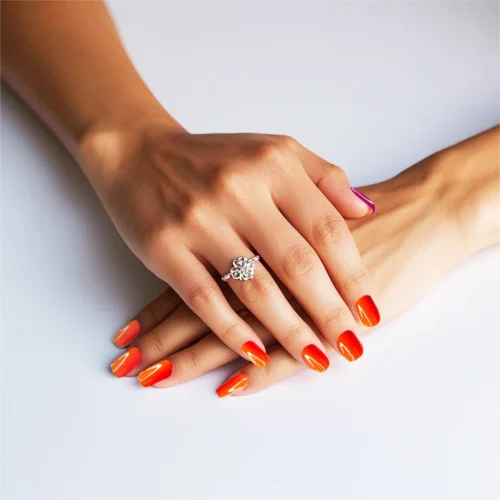
- Squoval (square + oval corners): Universally flattering and very beginner-friendly. Looks neat on short to medium lengths and rarely snags.
- Square: Bold and graphic with straight sidewalls and a flat tip. Works best on longer nail beds and stronger nails; corners can catch if too sharp.
- Oval: Softly tapered with a rounded tip that elongates fingers. Polished and elegant on medium lengths.
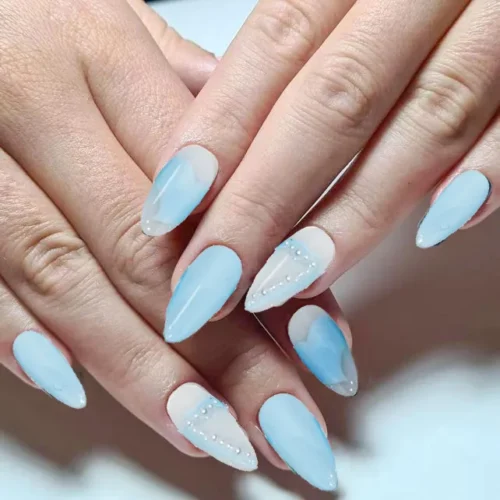
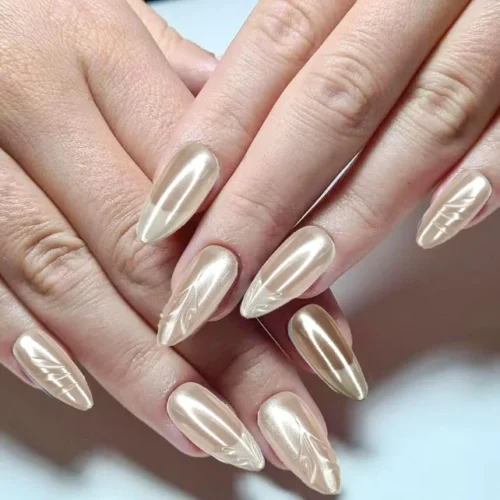
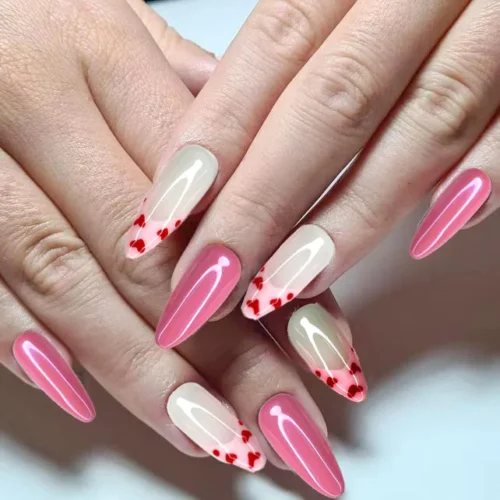
- Almond: A refined taper to a soft point. Gorgeous and lengthening, but needs a bit more nail strength and careful filing.
If you’re unsure, start with squoval for a foolproof, low-maintenance look. Once you master the basics, try oval or almond for a subtle glow-up.
How to shape nails step by step (5 easy shapes)
Below, you’ll find the exact motions to file nails into beginner-friendly shapes. Work one nail at a time and check symmetry often by looking at your hands from the front, side, and underneath.
Round nails (the five-minute classic)
- Length: Short to just beyond the fingertip.
- Motion: Start at one side and file toward the center in short, light strokes. Repeat on the other side, following the natural curve of your fingertip. Aim to match the arc of your cuticle, because this trick keeps the shape balanced.
- Finishing: Lightly buff the edge and corners. If corners catch on fabric, you’ve left a micro-burr, two passes with the buffer will fix it.
Why beginners love it: Round nails resist chipping because there are no sharp corners to hit doorknobs or zippers.
If you want a “polished but natural” look, consider stopping here and adding a strengthening base coat. Many people are surprised how finished this looks, even without color.
Squoval nails (the universally flattering shape)
- Length: Short to medium.
- Motion: First, file straight across to create a gentle, flat edge to keep the sidewalls parallel. Then soften just the very corners with a single curved stroke to blend the sides into the tip without rounding the whole edge.
- Finishing: Smooth with a buffer under and over the free edge.
If the nail starts to look too round, reset the top by filing straight across again, then re-soften only the corners.
Square nails (crisp, modern, and structured)
- Length: Short to long, but best on sturdy nails.
- Motion: Clip straight across to your target length to save time. Then file directly across in firm, even passes. Keep the file perpendicular to the sidewalls, and don’t angle inward as tapering makes the square look pinched.
- Corners: You can leave them sharp or soften a whisper of the edge to reduce snags. Don’t round them or you’ll wander into squoval territory.
Maintenance note: Because square corners are, well, corners, they’re the first place to chip. If that bugs you, consider squoval for everyday life and square for short-term statement looks.
Oval nails (elegant elongation)
- Length: Medium works best.
- Motion: Start with a soft round. Then slightly taper each side by filing with the file tilted just a few degrees inward. Switch sides often to keep symmetry. Finish by curving the tip into an egg-like silhouette without points.
- Visual cue: The curve from sidewall to tip should be one smooth “S,” not a flat side with a sudden bend.
Beginner watch-out: Over-tapering thins the sides and leads to breaks. If the nail starts to look narrow above the stress area (about one-third up from the cuticle), ease off and refine with lighter, surface-level strokes.
Almond nails (soft point, sleek payoff)
- Length: Medium to long.
- Motion: From the sidewalls, file at roughly a 40–45° angle toward the center. Alternate sides every 2–3 strokes to keep the tip centered. As the shape emerges, round the point softly so it looks elegant, not sharp.
- Symmetry checks: Look straight down the barrel of the nail from the tip. The left and right angles should mirror each other. If the point leans, file the “higher” side rather than chasing both.
Because almond narrows toward the tip, treat nails gently for the first week while you adjust and use fingertips not nails to open cans or peel stickers. A strengthening base coat can help maintain integrity.
How to shape nails on your non‑dominant hand
Most shaping mishaps happen here. Steady your dominant hand by resting your filing hand’s elbow on the table. Hold the file like a pencil near the tip for better control and shorter strokes. Instead of moving the file wildly, rotate the finger you’re shaping so you always file from side to center with the same hand motion. This “move the finger, not the file” trick makes both hands come out even.
Troubleshooting: quick fixes for common mistakes
- Uneven lengths across fingers: Choose one “guide finger”. Hold other fingers beside it and sight the tips together. Make tiny, single-direction passes until they line up.
- Tear-prone corners: You likely over-filed sidewalls or left micro-burrs. Rebuild a safer edge by moving to squoval and buff underneath the free edge gently.
- Peeling or splitting tips: Switch to a finer grit or a glass file, and avoid water-heavy tasks without gloves. A nightly swipe of cuticle oil restores flexibility.
- Jagged, fuzzy free edge: You’re pressing too hard or using a worn file. Replace the file and lighten your touch; finish with a soft buffer.
- The shape “drifts” as you go: Pause every few strokes and look from multiple angles. Flipping the hand palm-up exposes uneven taper immediately.
If a nail cracks far down the side, a small teabag patch and clear base coat can buy you time. If damage is deep or painful, skip shaping that nail and protect it with a bandage or consult a pro.
Nail care routine to keep your shape longer
Shaping success isn’t just technique but rather it’s aftercare. Oil your cuticles daily to reduce brittleness. Use a strengthening base coat if your nails peel, and reapply top coat every 3–4 days to guard the free edge. Put on gloves for dishes, gardening, and cleaning. Touch up the shape weekly with 4–6 gentle file passes; smaller, regular maintenance prevents big re-shapes that thin the nail.
Many readers keep a mini file in a wallet or desk drawer. Smoothing a tiny snag as soon as you feel it can prevent an end-of-day chip.
Picking polish that protects your shape
Color is optional; protection isn’t. A base coat grips color and shields the nail; a durable top coat seals the edge and minimizes water absorption. For round and squoval shapes, a glossy top coat enhances the clean curve. For square and almond, a glossy or soft matte finish emphasizes the structure. If you’re unsure, start with clear; you can always layer color later.
Consider trying a “ridge-filling” base if your nails are uneven. It gives a smoother canvas and makes short nails look instantly more refined.
Advanced shapes and when to see a pro
Coffin/ballerina and stiletto shapes are dramatic and fun, but they concentrate stress at the tip. If your natural nails are thin or you prefer very long lengths, consider overlays or extensions done by a professional to avoid breakage and painful splits. A good tech can also help correct chronic peeling, severe ridges, or recurring sidewall cracks before you resume DIY shaping.
A simple, repeatable shaping routine
- Wash and dry hands; push back cuticles gently.
- Clip length only if needed; leave at least 1–2 mm for shaping.
- Choose your target shape.
- File in one direction with light pressure, checking symmetry as you go.
- Buff the free edge to seal layers; oil cuticles.
- Finish with base and top coat if using polish.
This whole process takes about 10 minutes once you’ve done it a couple of times. Set a weekly reminder and it becomes as quick and satisfying as a fresh haircut for your hands.
Summary: final nail shaping routine for beginners
Start with the right tools such as a glass or fine-grit file and a soft buffer and cuticle oil then prep dry nails and follow the three golden rules which are to file in one direction and protect the sidewalls and keep pressure light. Choose a beginner-friendly shape that flatters your hands, and use short, alternating strokes to maintain symmetry. Seal edges with a buffer, oil daily, wear gloves for chores, and touch up weekly so you never have to over-file. With this rhythm, your nails stay strong, your shape stays crisp, and even bare nails look polished.