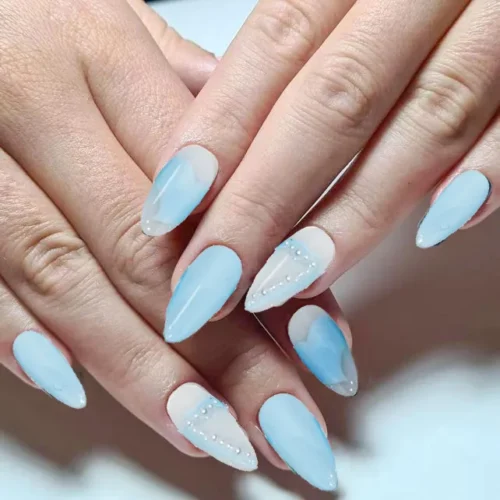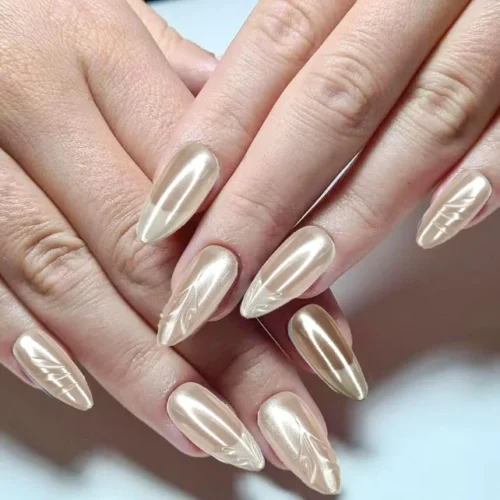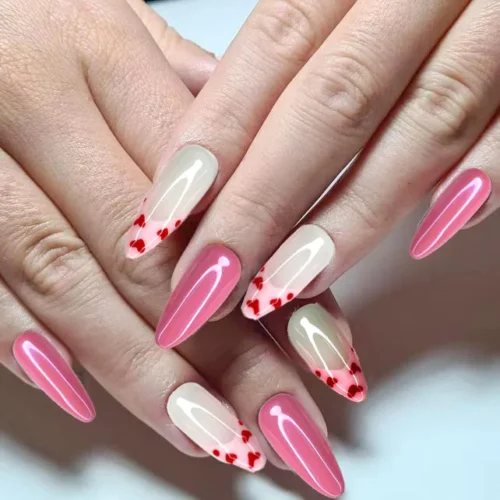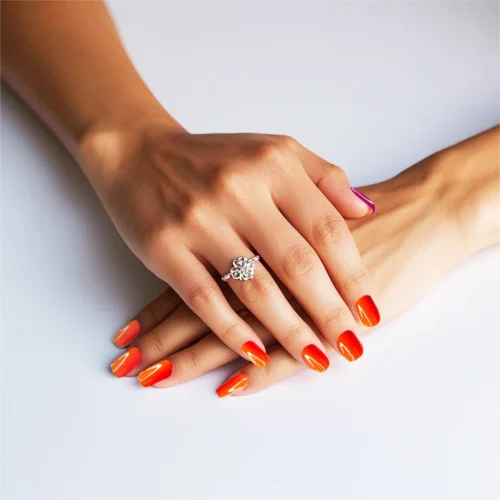

If your press-ons still look cute but your natural nails are starting to complain, you’re not alone. Many people love the instant manicure but dread removal, especially if acetone leaves their nails and skin dry, tight, or irritated. The good news: you can remove press-on nails without acetone using simple items you already own, keep your natural nails intact, and even reuse your set.
This guide walks you through a dermatologist- and nail‑tech‑friendly process that prioritizes nail health, comfort, and reuse. Expect clear, step-by-step instructions, smart alternatives for stubborn glue, and aftercare tips so your nails feel stronger instead of stripped when you’re done. Grab a small bowl, a little dish soap, and your favorite oil; you’ll be free of those press-ons in minutes.
Why Skip Acetone for Press-On nail Removal?
Acetone is powerful and fast, but that speed comes with trade‑offs. It dissolves adhesive quickly and also strips natural oils from your skin and nails. Many people notice post‑acetone tightness, flaking cuticles, white chalky nails, or increased brittleness afterward. If you have sensitive skin, eczema, or you’re removing press‑ons frequently, going acetone‑free is a kinder choice. You’ll work a little slower, but you’ll preserve moisture and reduce the risk of peeling or thinning the nail plate.
Know Your Adhesive: Tabs vs. Glue
How your press‑ons are attached influences how they come off.
- Adhesive tabs are like double‑sided stickers. They soften readily in warm, soapy water and usually release in one or two soak cycles. Tabs are best if you like to reuse press‑ons often.
- Nail glue is a cyanoacrylate. It forms a stronger bond and needs more time, warmth, and oil to break down. Removal is still easy, just add patience and repeat the soak‑and‑slide routine.
Unsure what you used? If you remember peeling a thin film from the backer paper, that was a tab. If you squeezed a liquid from a small tube onto the nail, that was glue.
The Core Soak‑and‑Slide Method
This is the safest, most forgiving way to remove press‑on nails at home. It works for both tabs and glue and is gentle enough for frequent wearers.
Set Up Your Soak
Fill a small, non‑plastic bowl with comfortably warm water that feels soothing but never scalding. Add a small squirt of dish soap to cut through oils and a teaspoon of any skin‑safe oil (cuticle, olive, coconut, mineral, or baby oil). Soap helps water slip under the press‑on; oil cushions the nail and begins to loosen the adhesive.
If you remove press‑ons regularly, consider keeping a “removal bowl” and a small dropper bottle of cuticle oil in your bathroom so this becomes a quick, no‑stress ritual.
Pre‑Soften and Protect
Before you soak, slick a thin ribbon of cuticle oil around each nail, especially at the sidewalls and the tiny gap near the cuticle. If your press‑ons are very long, trim just the plastic tip to reduce leverage on the natural nail. Avoid cutting so short that you nip your own free edge.
Soak, Wiggle, and Slide
Submerge fingertips for 10–15 minutes. Every few minutes, gently press down on the free edge of each press‑on with your thumb to invite water under the tip. After the first soak, use an orangewood stick to test a corner. If it lifts with zero resistance, continue slowly around the perimeter. If it resists or you feel tugging, stop and re‑soak for another 5–10 minutes.
Think of this as “patience cycles”: soak, test, re‑soak. With tabs, many nails release in one cycle. With glue, you may need two or three. Never force the nail. If it’s ready, it will slide off with minimal pressure.
Clear the Residue
When the press‑on comes off, you’ll often see a little glue or tab residue on your natural nail. Massage in a few drops of oil and use a soft buffer or the flat side of an orangewood stick to coax it away. If residue is stubborn, lay a small oil‑soaked cotton piece on the nail for two minutes and try again. Avoid metal scrapers and aggressive filing that can thin the nail plate.
Rehydrate and Seal
Finish with a nourishing hand cream and another pass of cuticle oil. This “seal” helps restore flexibility to the nail keratin and supports the skin barrier. If your nails feel tender, skip polish for 24 hours and let your natural oils rebound.
Stubborn Glue? Try These Non‑Acetone Options
Sometimes a few nails hold on longer, especially thumbs and dominant‑hand fingers. Rotate in one of these gentle alternatives if you need a little extra help.
Warm Oil Soak
Warm a small amount of oil until it’s just comfortable on your skin. Soak fingertips for 10 minutes, then switch back to the soapy water bowl. Alternating oil and soap helps loosen glue while keeping nails supple. Add one drop of oil under any lifted edge before you re‑soak.
Rubbing Alcohol Spot‑Treat
If water and oil alone aren’t doing the trick, a small amount of 70% isopropyl alcohol can help break the bond without acetone. Dip a cotton swab or micro‑brush in alcohol and touch it to the gap at the side or cuticle area; let it wick under the press‑on for 20–30 seconds, then try the orangewood stick again. Follow with cuticle oil immediately to counteract dryness.
Dental Floss “Threader” Technique
This can be effective in skilled hands. Use it only when the edge is already lifted and never pry upward. Slide unwaxed dental floss or a floss threader gently under a corner, hold the floss low and parallel to your nail, and “saw” with tiny side‑to‑side motions while moving forward. Keep the motion horizontal, not vertical, to avoid pulling layers from the natural nail. If you feel resistance, stop and re‑soak first.
Oil‑Wrap Method
Soak small cotton pieces in oil, place one on each nail, and wrap with a strip of foil or biodegradable wrap to keep warmth in. Wait 10–15 minutes. Unwrap one nail at a time, add a bit of warm, soapy water, and lift gently. This is mess‑free and great if you don’t want to sit by a bowl.
Want to Reuse Your Press‑Ons? Do This
Acetone can cloud or warp the plastic, so your acetone‑free approach already sets you up for success. After removal:
- Wipe the underside of each press‑on with a little oil to loosen any remaining tab film or glue, then slide it away with the orangewood stick.
- Wash the press‑ons in warm, soapy water, rinse, and pat dry. Let them air‑dry fully to prevent trapped moisture.
- Store by size and hand in the original tray or a small pill organizer to keep their curve intact. Label sizes so your next application is faster.
Mistakes That Damage Natural Nails
A few habits do most of the harm. Avoid these, and your nails will thank you.
- Prying or peeling from the free edge straight up. This shears layers off the natural nail. Always slide in from a softened corner and move slowly around the perimeter.
- Rushing the process. If you see a tight, white stretch in the nail plate or feel heat/pain, you’re forcing it. Re‑soak, don’t fight the bond.
- Over‑buffing. Buff only residual adhesive, and use the softest grit you own. The goal is a quick polish of the surface, not thinning the nail.
- Very hot water. Heat helps, but scalding water dehydrates skin, can cause redness, and won’t speed glue breakdown meaningfully. Warm and patient wins.
- Harsh home “hacks.” Vinegar and other acids can irritate skin and make nails brittle. Stick with soap, water, oil, and small amounts of rubbing alcohol if needed.
Troubleshooting: Quick Answers
If the edges won’t lift at all, it’s likely you used a generous amount of glue or sealed every side on application. Start with a full 15‑minute warm, soapy soak and massage oil along the sidewalls first. If only the middle is stuck, try the oil‑wrap method to keep constant contact with the adhesive. If a single nail refuses to budge, let it be for a few hours after your first attempt; normal handwashing and natural oils often finish the job later the same day.
Aftercare That Makes Nails Look Better Tomorrow
Removal is only half the story; recovery is where the glow happens. Once your nails are free:
- Rinse hands with lukewarm water and a gentle cleanser to lift any leftover soap or oil film.
- Smooth edges with a soft file, shaping in one direction to avoid micro‑tears.
- Massage cuticle oil into each nail and surrounding skin for a full minute. Then lock it in with a rich hand cream or a barrier‑repair ointment overnight.
- Give nails a breather for a day before reapplying press‑ons or polish. If you like, use a breathable strengthening base coat the next day to support flexibility.
- Hydrate and support from within. A balanced diet plus everyday hydration keeps nails resilient. If breakage bothers you, you might explore a daily biotin supplement after checking with your healthcare professional.
Prep for Easier Removal Next Time
A few tweaks during application make your next acetone‑free removal even quicker.
- Choose adhesive tabs when you plan to reuse a set. They’re strong for daily life but soften fast during removal.
- If using glue, a small bead is enough. Overuse floods sidewalls and seals edges, making removal slower.
- Lightly buff shiny nails, but do not over‑etch. You want gentle grip, not deep scratches that can snag during removal.
- Try a peel‑off base coat formulated for nails. It creates a removable layer between your nail and the glue for easy, damage‑free lift‑off later.
- Seal sidewalls with oil nightly. A tiny swipe along the edges during wear can reduce dehydration and make water penetration easier when it’s time to remove.
Conclusion
Soak fingertips in warm, soapy water with a little oil for 10–15 minutes. Then gently slide an orangewood stick under a softened corner and work around the nail, never prying straight up. Repeat brief soak cycles until each press‑on lifts with little to no resistance. For stubborn spots, alternate with a warm oil soak, spot‑treat the gap with a touch of rubbing alcohol, use an oil‑wrap, or carefully employ the floss threader technique. Remove residue with oil and a light buff, rehydrate with cuticle oil and hand cream, and give nails a day to rest. Apply less glue or use tabs next time to make removal even easier.
With patience, warmth, and slip, taking off press‑on nails without acetone is gentle and safe. It preserves nail health and lets you reuse your set.