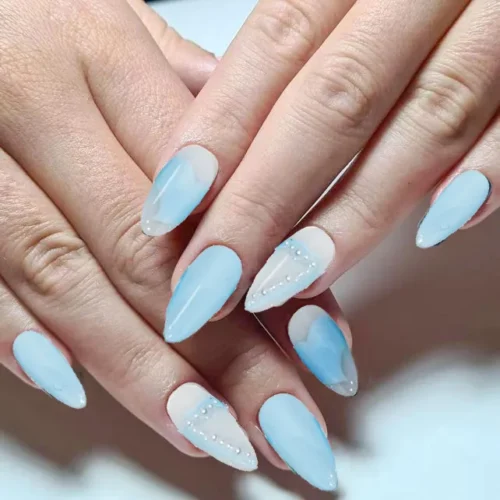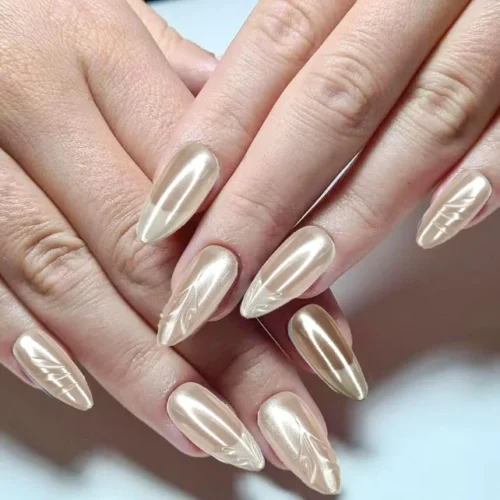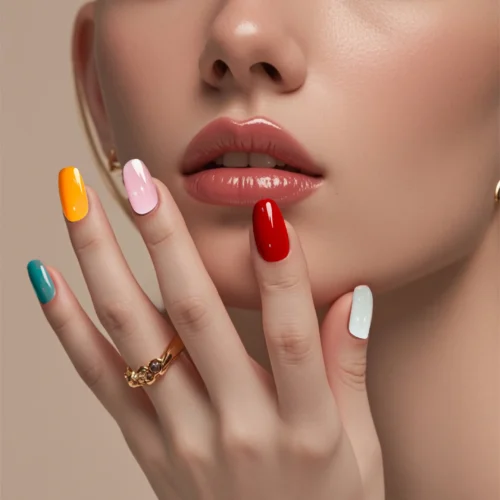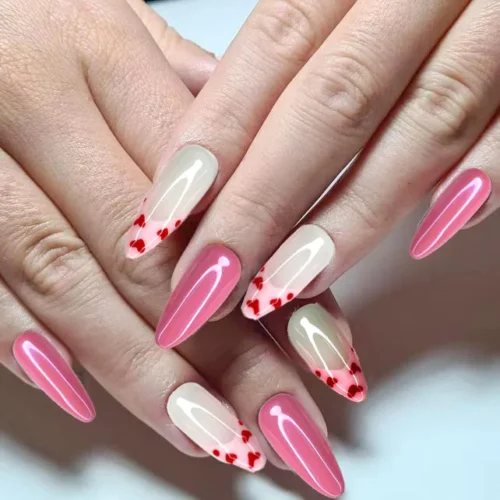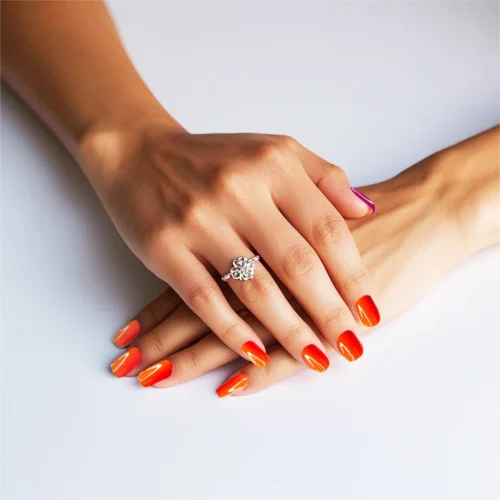

Press-on nails are best for speed, flexibility, events, and lower commitment. Gel and dip are better for longer, chip-resistant wear. Acrylics and hard gels are best for sculpted length and structure. Classic polish is the cheapest and easiest to change, but it chips fastest.
If you’re torn between press-on nails and a salon or at‑home manicure, you’re not alone. Maybe your polish chips two days in, gel appointments eat up your lunch hour, or acrylic fills feel like too much commitment. Press-ons promise a flawless manicure in minutes but how do they really compare on durability, cost, nail health, and day‑to‑day practicality? This expert guide cuts through the hype with clear, real‑world advice so you can pick the option that fits your life, your nails, and your budget.
What We’re Comparing
Before we stack them up, here’s what each option actually is without the jargon:
- Press-on nails: Pre-shaped, pre-finished tips you adhere to your natural nails with adhesive tabs or glue. Application takes minutes and removal is quick with warm water/oil and gentle lifting.
- Classic polish: Nail lacquer with base and top coat; air-dries. DIY-friendly, the most flexible for quick color changes.
- Gel polish (soft gel): Painted on like regular polish but cured under a lamp; lasts around two weeks with a glossy, chip-resistant finish. Requires soaking and gentle scraping to remove.
- Dip powder: Colored powder layered with resin; thicker than polish, very durable. Removal involves soaking in remover and patience.
- Acrylics or hard gel extensions: Length and structure built on the nail; strong and long-wearing. Requires professional maintenance and careful removal to protect nail health.
Think of press-ons as a ready-to-wear manicure, while gel, dip, and acrylics are more like tailor-made garments that take longer but have specific performance advantages.
Quick Comparison: Press-On Nails vs Other Nail Treatments
| Treatment | Best For | Typical Wear | Main Advantage | Main Trade-Off |
|---|---|---|---|---|
| Press-ons with tabs | Events, short wear, testing styles | A few days | Fast and gentle | Shorter hold |
| Press-ons with glue | Travel, events, flexible wear | Around 7–10 days for many users | Quick and reusable | Removal needs care |
| Classic polish | Frequent color changes | A few days | Lowest cost | Chips fastest |
| Gel polish | Glossy routine wear | Around 2 weeks | Natural glossy finish | Requires curing and soaking |
| Dip powder | Durable color | Around 2–3 weeks | Strong chip resistance | Thicker feel and longer removal |
| Acrylic / hard gel | Length and structure | 2–3+ weeks with fills | Strongest structure | Highest upkeep |
c-livia’s own wear-time guide notes that glue press-ons commonly last 7–10 days with good prep, while adhesive tabs are better for short test-drive wear.
Speed and Convenience: The Everyday Time Saver
Press-on nails win on speed. With a little prep, including pushing back cuticles, cleansing nails, and sizing tips, you can be photo-ready in about 10 to 20 minutes. There’s no drying time and no salon commute. If your week is stacked with work, travel, or events, that instant gratification matters.
Gel and dip are time-efficient once you’re in a routine, but you’re still committing to application and cure/dry time. Acrylics and builder gels require the longest sessions and routine fills.
Consider this if time is your pain point: keep a press-on kit on hand for last-minute plans or when your manicure chips before a big meeting. Many readers choose a hybrid approach press-ons for events, gel for routine wear, so they never scramble.
Finish and Realism: Which Looks Most Natural?
They can. Two factors determine whether press-ons pass the “is that your real manicure?” test: fit and finish.
- Fit: A tip that’s a hair narrower than your nail plate will seal more flush to the sides and look natural. If you’re between sizes, gently file the sidewalls of the press-on for a custom fit.
- Finish: Today’s press-ons come in modern shapes and subtle sheers, not just ultra‑glossy plastic. If yours look too shiny, a quick buff with a fine buffer or a swipe of a matte or gel‑like top coat can diffuse that “plastic” glare. Finish with cuticle oil to blend the boundary.
Gel polish has a naturally seamless look when applied on well-prepped nails. Acrylics and builder gels give that sculpted salon effect, especially at longer lengths. Dip is thickest; it looks immaculate but sometimes less “natural” on very short nails.
If realism matters to you, start with short or medium press-ons in rounded or squoval shapes and neutral tones. You might be surprised how convincing they are especially in photos and at conversational distance.
Durability and Wear Time: How Long Does Each Last?
Expect a realistic range and plan accordingly.
- Press-ons with adhesive tabs: great for 2–4 days.
- Press-ons with nail glue: commonly last 7–10 days with careful prep; for more realistic ranges by adhesive type, see how long press-on nails last.
- Gel polish: about two weeks chip-resistant wear.
- Dip powder: 2–3 weeks.
- Acrylics/hard gel: 2–3+ weeks, with fills every 2–3 weeks.
Pro tip for press-on longevity: use the “sandwich” method with a thin layer of brush-on glue on the natural nail plus a tiny dot inside the press-on. Apply at a 45‑degree angle from the cuticle and press firmly for 30 seconds. Don’t expose to water for at least an hour after application.
If you’re hard on your hands because of childcare, lots of typing, or food prep, choose shorter lengths and rounded edges. The longer the leverage, the sooner a corner can catch.
Cost Over Time: Which Nail Treatment Is Most Budget-Friendly?
Prices vary by region, but here’s a practical way to compare without a spreadsheet.
- Press-ons: A quality set often costs less than a single salon visit and can be reused 1–3 times if you remove and store them carefully. Factor in glue or adhesive tabs. If you wear them weekly, costs add up; if you wear them for occasions, they’re a bargain.
- Gel polish (salon): Typically more than classic polish, less than acrylics; every two weeks adds up but delivers consistent results.
- Dip powder (salon): Similar to gel or slightly more; appointments every 2–3 weeks.
- Acrylics/hard gel: Highest initial cost and ongoing fills; excellent for length/structure if that’s your signature look.
- At‑home polish: Lowest ongoing cost; best for frequent color changes if you’re patient with drying time.
If spending is your stressor, consider this rhythm: classic polish for everyday, press-ons for events, the occasional gel manicure for vacations. You’ll enjoy the best cost-to-wow ratio across a season.
Nail Health and Safety: What Damages Nails
Most nail damage comes from rushed or improper removal rather than the service itself. That’s good news: with a few habits, you can keep nails strong.
- Press-ons: Choose a reputable, skin‑safe glue. If you’ve ever reacted to cyanoacrylate adhesives, patch test first. For removal, soak in warm soapy water with a little oil, then gently wiggle from side to side with a cuticle stick. Never rip them off dry; that’s what peels layers.
- Gel and dip: Respect the soak time. Lightly file the topcoat first to speed removal, then soak and gently lift softened product. Avoid aggressive scraping or drilling on the natural nail.
- Acrylics/hard gels: Skilled application and fills are key. Over‑filing thins nails; insist on gentle e‑file technique and scheduled breaks if your nails feel tender.
- Universal care: Hydrate daily with cuticle oil, take breaks when nails feel sensitive, and keep nails trimmed to a length your lifestyle can sustain.
If your nails are currently thin, peeling, or you’re recovering from extensions, try short press-ons with adhesive tabs for a few days at a time or stick to classic polish while you rebuild with oil and a strengthening base.
Lifestyle Fit: Match Your Manicure to Your Week
- Fast turnarounds and events: Press-ons shine when you need a camera-ready set in minutes. Consider trying a neutral short oval set for interviews, weddings, or photos.
- Set‑and‑forget routine: Gel or dip offer reliable two‑week wear if you’d rather not think about your nails.
- Long, sculpted styles: Acrylics or builder gels deliver structure and custom length with pro shaping.
- Active, hands-on jobs: Short press-ons or a durable gel in a rounded shape reduce snags and chips.
- Nail biters or short nail beds: Press-ons instantly create length and symmetry, so just keep them on the shorter side as you adapt.
- Frequent color changers: Classic polish or reusable press-ons let you refresh your look as often as your mood.
Not sure? Many readers use press-ons as a no‑risk test drive to see what length and shape they love before investing in salon extensions.
Application and Removal: The Small Habits That Change Everything
A few thoughtful steps turn a decent press-on manicure into a “where did you get those done?” moment.
- Prep: Wash hands, then thoroughly dehydrate each nail with an alcohol wipe. Gently push back cuticles and lightly buff just enough to remove surface shine. Skip lotions right before application; oils can break the seal.
- Sizing: Lay out tips from thumb to pinky before you start. Choose a size slightly narrower than your nail. If needed, micro‑file the sidewalls to match your nail’s shape.
- Placement: Add a thin layer of glue to the nail and a tiny dot inside the tip. Start at a 45‑degree angle near the cuticle, align carefully, then press straight down, holding firmly for 30 seconds. Wipe any glue squeeze‑out immediately.
- Finish: File the free edge in one direction to refine shape. Wait at least an hour before submerging in water for best hold. A swipe of top coat can blend the finish, and cuticle oil makes everything look seamless.
- Removal: Soak fingertips in warm soapy water with a little oil for several minutes. Gently slide a cuticle stick along the sidewalls to lift softened adhesive. If it resists, soak longer. Clean residue with a non‑acetone remover, then oil and rest.
Want near-gel wear time? Consider the glue “sandwich” method and avoid overly long or pointy styles until you’ve perfected your fit.
Common Concerns About Press-On Nails vs Salon Nails
- “They pop off at the worst time.” Carry a tiny emergency kit: a couple of spare tips, mini glue or tabs, and an alcohol wipe. Shorter, rounder shapes snag less.
- “They look too thick.” Choose “short” or “natural” thickness styles and softly buff the apex to blend. A gel‑like top coat can refine the profile.
- “My nails feel dry after removal.” That’s normal if you’ve used removers. Rehydrate with oil twice daily for a few days. Consider a strengthening base coat during off days.
- “I’m worried about hygiene.” Always sanitize tools, cleanse nails before application, avoid sharing press-ons, and store removed sets in a clean, labeled case.
Ignoring fit and proper removal can lead to lifting, trapped moisture, and peeling because small details you skip now can cost you weeks of nail rehab later. Don’t miss the benefits of a careful routine.
Sustainability and Reuse: Can Press-Ons Lower Waste and Cost?
Press-ons are reusable when treated kindly: remove without force, clean adhesive from the underside, and store by size. Choosing classic shapes and neutral finishes expands how often you’ll reach for a set. If waste is a worry, look for brands using recyclable packaging and consider balancing press-ons with long-wear polish to reduce turnover.
Straight-Talking Recommendation: Which One Should You Choose?
- Choose press-on nails if you value speed, flexibility, and the freedom to change styles without commitment. They’re unbeatable for events, travel, and testing shapes and lengths before a salon service. Consider starting with short oval or squoval, glue application, and the glue “sandwich” for up to two weeks of confident wear.
- Choose gel or dip if you want “do it and forget it” wear for 2–3 weeks with a polished, durable finish, especially if your lifestyle is tough on nails and you prefer your natural length.
- Choose acrylics or builder gels if you love consistent length, precision shaping, and bold looks. Commit to skilled pros and gentle maintenance.
- Choose classic polish if cost, simplicity, and frequent color changes matter most; pair with a great top coat and drying drops.
Still undecided? Try press-ons for your next busy stretch or special event. Many people find the results surprisingly natural and the time saved addictive.
Conclusion
Press-on nails deliver salon-looking results in minutes, with realistic wear ranging from a few days to about two weeks. Their success comes down to prep, fit, and careful removal. Gel and dip offer reliable two- to three‑week wear with a seamless finish, while acrylics/hard gels excel at length and structure but demand upkeep. Classic polish remains the most budget‑friendly and flexible for frequent changes. Match your manicure to your week: use press-ons for fast turnarounds and style variety, gel/dip for set‑and‑forget durability, acrylics for sculpted length, and polish for low‑cost color play. If you’re curious, start small: try a short, neutral press-on set with glue, master the 45‑degree placement and 30‑second press, and see how it fits your routine. From there, build a mix‑and‑match nail strategy that saves time, protects nail health, and keeps you photo‑ready.
Ready to put this into practice? Consider trying a well‑fitted press-on set for your next event, or schedule a gel manicure for a two‑week test run. With a little prep and the right choice for your lifestyle, you’ll love how effortless great nails can be.