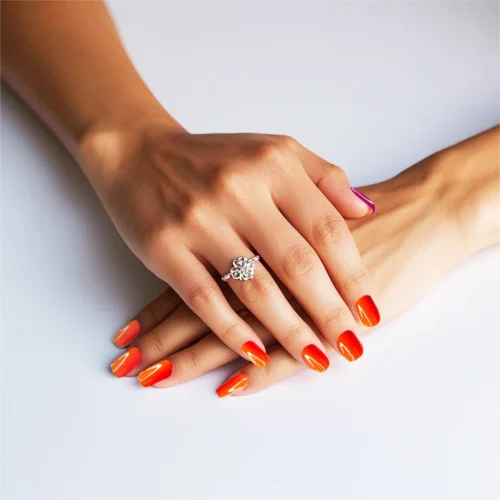

If you love a polished look but hate the peeling, thinning, or soreness that can follow salon acrylics and gels, you’re not alone. Many of us want the speed and style of press-ons without sacrificing nail health. The good news is that press-ons can be the least damaging way to wear enhancements, if you pick the right type and use them correctly.
Here’s the quick answer: for most people, the healthiest press-on option is a short, flexible set that fits your nail plates well, applied with either high-quality adhesive tabs or a thin, minimal layer of low‑odor brush‑on glue, and removed gently with oil and warm, soapy water after 5–7 days. Done this way, press-ons avoid UV lamps, heavy filing, and harsh removal, which are common causes of brittle nails.
Below, you’ll find a clear, step-by-step guide to choosing, applying, and removing press-ons in the safest way possible, plus a simple checklist you can use before you buy.
What makes a press-on “healthy”?
“Healthy” in nail care really means “least likely to cause irritation, thinning, breakage, or infection.” The factors that influence that most are:
- Chemical exposure: Avoiding strong solvents, fumes, or monomers, and skipping UV/LED curing.
- Mechanical stress: Minimizing aggressive filing, scraping, or prying that tears keratin layers.
- Fit and leverage: A shape and length that don’t torque or lift at the edges during daily tasks.
- Moisture management: Keeping water from pooling under the nail which can loosen adhesive and irritate skin.
- Removal method: Gentle, oil‑assisted soak-off rather than picking or forceful prying.
Press-ons can excel across all five, especially compared to acrylics and gels, if you choose the right combination of adhesive, shape, and routine.
The healthiest option in plain terms
If you’re skimming, here’s the safest recipe most readers end up loving:
- Choose short to medium length in a rounded or soft‑square shape.
- Prioritize flexible tips made from lightweight materials over thick, rigid ones.
- Select kits with a generous size range so you can match your natural width and curve closely.
- For one to three days of wear, use adhesive tabs.
- For five to seven days of wear, use a thin, even layer of brush‑on glue, just enough to bond, not ooze.
- Remove with cuticle oil and warm, soapy water; take your time. If resistance remains, pause and soak longer.
Consider starting with a weekend test using tabs for a short event to learn your nail’s tolerance before committing to longer wear.
Glue vs. adhesive tabs: which is healthier?
Both can be safe; the better choice depends on your goals and sensitivities.
- Adhesive tabs are the gentlest. They’re perfect for events, photos, or 24–72 hours of wear. Because the hold is lighter, removal is usually a breeze with oil and warm water, and the press-ons are often reusable. The trade-off is shorter wear and a bit more lifting if your hands are frequently wet.
- Brush‑on glue provides longer wear. Modern formulas are typically low‑odor and designed for cosmetic use. The key is restraint: a thin, even coat on your natural nail is enough. Too much glue causes overflow, skin contact, and tough removals, all of which increase your risk of irritation or damage.
If you have a history of sensitivity to adhesives, start with tabs and patch-test glue on one nail for a day before a full set. Whichever route you choose, good ventilation and careful application make a big difference.
Shape, length, and fit matter more than you think
Nail health isn’t just chemistry; it’s physics. Long, sharp, or very rigid tips act like levers. Every zipper, keyboard, and gym rep multiplies stress at the adhesive line and your free edge.
- Opt for short or “active” length if you’re often hands‑on at work, have naturally thin nails, or are new to press-ons.
- Choose shapes that won’t snag: round, oval, or soft-square are more forgiving than stiletto or long coffin.
- Prioritize size inclusivity. A set with 24–40+ tips improves your chances of a near‑perfect fit, reducing edge lift and water ingress.
- When in doubt, size down slightly. Edges that sit on skin or cuticle tissue tend to lift sooner and irritate.
A great fit is one of the healthiest choices you can make, as it means less leverage, less lifting, and less temptation to pick.
Materials and design details to look for
- Flexible, lightweight tips: These move with your natural nail and feel more comfortable for longer wear.
- Smooth, sealed finish: Helps resist staining and snagging; a quality topcoat on the press-on extends wear.
- Thin cuticle edge: A tapered base looks natural and reduces hair‑snagging.
- Clear, transparent ingredient labeling on adhesives: Favor low‑odor, cosmetic‑grade glues and fragrance‑free formulas if you have sensitivities.
- Reusable storage: A tray or case keeps sizes organized so you can reuse the set, which is healthier for your nails, wallet, and the planet.
If you’re browsing online, zoom in on edge thickness at the cuticle and read removal instructions before you buy. Many readers choose brands that publish a step-by-step, non-damaging removal protocol, which is an encouraging sign of health-first design.
A gentle, pro‑style apply‑and‑remove routine
A careful routine often matters more than the brand you pick. Consider this sequence:
- Prep without over‑filing
Wash hands thoroughly and dry well. Push back cuticles with a wooden stick without cutting. Lightly buff only if your nails are very glossy; think two or three passes, not a full sanding. Wipe with alcohol to remove oils. - Size first
Lay out all ten sizes before opening glue. Press each on “dry” to confirm sidewall‑to‑sidewall coverage without touching skin. If you’re between sizes, choose the smaller and gently file the side for a custom fit. - Adhesive application
- Tabs: Apply the tab to your nail, peel the film, then place the press-on from cuticle to tip at a slight angle.
- Glue: Apply a very thin coat to your natural nail. Avoid skin contact. Seat the nail from cuticle to tip and hold 20–30 seconds with firm, even pressure.
- Seal and set
Avoid water and lotions for at least an hour. If you can, wait 2–3 hours before showering or doing dishes. This helps the bond fully cure. - Daily care
Treat nails kindly. Type with pads, not tips. Slip on gloves for chores. If you feel a corner lift, add a micro‑dot of glue immediately and don’t let debris or water get under there. - Removal, the healthy way
Never pop or pry. Soak fingertips in warm, soapy water with a few drops of cuticle oil for 10–15 minutes. Gently wiggle the press-on; if it resists, soak longer, then ease a wooden stick under the edge with more oil.If you used strong glue and it’s still stubborn, switch to an adhesive remover or a brief acetone soak only as a last resort, followed by a rich oil or hand cream.
Many readers find success planning removal at the 5–7 day mark: long enough for value, short enough to prevent overgrowth and lifting.
Who should modify or avoid certain press-ons?
- If you’ve had allergic reactions to nail or lash glues, start with tabs, patch-test any glue, and consider consulting a dermatologist.
- If you have an active nail infection, inflamed skin, or lifting of the natural nail, wait until fully healed.
- If your work demands frequent water exposure, keep lengths short and consider wearing for shorter stints with tabs.
When in doubt, err on the side of gentler adhesives and shorter wear cycles.
Common mistakes that cause damage
- Over‑buffing natural nails before application.
- Using too much glue, which floods cuticles and bonds to skin.
- Forcing removal before the adhesive has softened.
- Wearing the same set too long, allowing water to creep under and irritate skin.
- Choosing nails that are too long or rigid for your daily routine.
Avoid these, and you’ll prevent 90% of the issues people blame on press-ons.
The Healthy Press-On Buyer’s Checklist
Use this quick scan before you add to cart:
- Length and shape fit your lifestyle (short/active, round or soft‑square if you’re new).
- Large size range with well‑tapered cuticle edges.
- Flexible, lightweight tips with a smooth, sealed surface.
- Adhesive options included with clear, gentle removal instructions.
- Ingredient transparency for adhesives; ideally low‑odor and fragrance‑free.
- Reusable storage tray so you can keep sizes organized for future wears.
- Brand guidance that emphasizes nail health, not just extreme wear times.
If a product page checks these boxes, it’s likely a health‑forward choice. You might explore starter kits that include both tabs and glue so you can test what your nails prefer.
How “healthy” compares: press-ons vs. acrylics and gels
- No UV/LED curing with press-ons reduces cumulative light exposure to your hands.
- Minimal or no aggressive surface filing preserves your natural nail thickness.
- Short, oil‑assisted removal avoids the prolonged acetone soaks common with gels.
- The temporary nature of press-ons encourages regular check‑ins with your natural nails, so you spot issues early.
That said, any system can be misused. A thick, rigid press-on applied with excessive glue and ripped off a week later isn’t “healthier.” Technique and moderation are the real win.
Caring for your natural nails between sets
Give your nails a breather day between wears if you can. After removal, gently buff away residue, massage cuticle oil, and apply a hand cream with humectants and ceramides. Keep nails trimmed to reduce leverage and consider a strengthening base coat on off days. Small habits like these protect the keratin layers so each set looks better than the last.
A quick decision flow to choose your healthiest option
- Need nails for a single event or weekend? Choose adhesive tabs + short, rounded tips.
- Want 5–7 days without fuss? Choose flexible tips + thin layer of brush‑on glue, remove with oil soak.
- Have sensitive skin or a history of reactions? Start with tabs, patch-test glue on one nail first, keep wear short.
- Work with water or type all day? Keep length “active” and shape soft; reapply a tiny dot of glue at first sign of lift.
Don’t miss the benefits of starting conservatively. You can always increase the hold time later, but repairing a damaged nail plate is slow and frustrating.
Conclusion
The healthiest press-on nails balance gentle chemistry, low mechanical stress, and easy removal. Choose flexible, short tips that fit your natural width and curve; use adhesive tabs for brief wears or a thin layer of brush‑on glue for a week; avoid over‑buffing; and remove with patience, oil, and warm water. Most damage comes from too much glue, too much length, or rushed removal. Start small, listen to your nails, and refine your routine, and your hands will stay happy while your manicure looks polished.
Ready to upgrade your routine? Pick a short, flexible set with a wide size range, grab tabs and a low‑odor glue to test, and follow the gentle application and removal steps above. Many readers find that one thoughtful switch, such as a shorter length, a better fit, or tabs for events, makes all the difference.Try it once, and see how healthy a press-on manicure can feel.