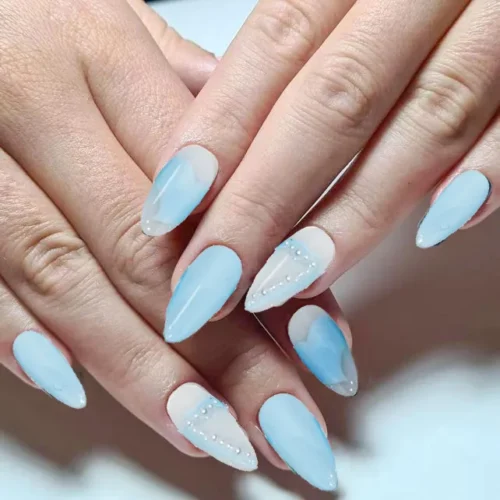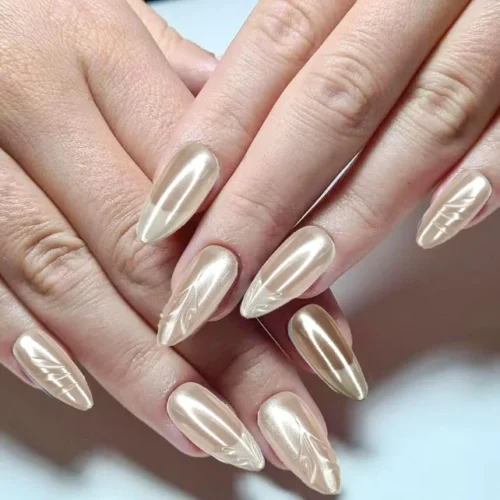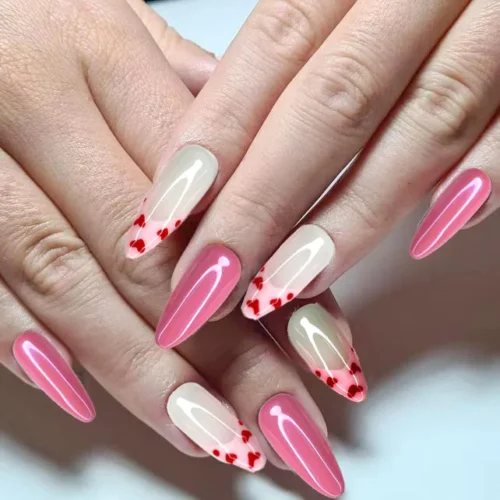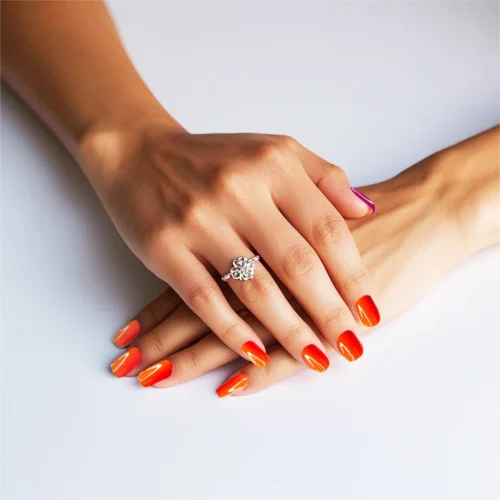

If your nails peel, split, or snap before they clear the fingertip, press‑on nails can feel like a miracle: instant length, flawless shine, zero salon appointment. But if your natural nails are already fragile, it’s fair to worry that glue, plastic tips, and removal might make things worse. The good news? Press‑on nails aren’t inherently “bad” for weak nails. The risk comes from how they’re chosen, applied, worn, and removed. With a few smart tweaks, you can enjoy the look you love while helping your natural nails grow stronger underneath.
This guide walks you through what matters most, so you avoid damage, skip infections, and get longer-lasting, healthier results at home; readers comparing styles can also review press-on nails for weak nails before choosing a set.
Are Press-On Nails Bad for Weak Nails? The Short Answer
Press‑on nails use an adhesive to attach a ready‑made tip to your nail plate. Compared with salon acrylics or hard gels, they’re simpler to apply, easier to remove, and can be less damaging overall. Where things go wrong, especially on weak nails is:
- over‑buffing the nail surface before application
- choosing tips that are too long or too stiff
- using too much glue
- trapping moisture under a lifted edge
- ripping them off instead of removing them patiently
Handled thoughtfully, press‑ons can be a protective cover that helps you stop picking and biting while your nails recover. Many people even find their nails look better after a few weeks of wearing press‑ons the right way.
If you’re new to press-ons or healing from damage, consider short press-on nails for weak nails with adhesive tabs for your first few wears to test how your nails respond.
What Weak Nails Mean Before Wearing Press-Ons
Fragile nails often fall into one or more buckets:
- dehydration and peeling from frequent water exposure, harsh removers, or over‑buffing
- mechanical trauma from typing, sports, or picking
- post‑acrylic/gel thinning
- health and lifestyle factors
Knowing your “why” helps you adapt your press‑on routine. For dehydration‑related peeling, you’ll prioritize oil and barrier steps. If your nails split from impact, choose shorter lengths and rounded shapes to reduce leverage, and use a press-on nails size chart so the tip fits without pinching. If you suspect an underlying medical issue, pause press‑ons and check with a clinician.
Press-Ons vs Acrylics and Gels for Weak Nails
- Chemical exposure: Press‑ons generally involve less filing and fewer strong monomers than salon acrylics and hard gels. That’s a win for already‑thin nails.
- Adhesion method: With press‑ons, you choose between glue and sticky tabs. Tabs are gentler but shorter‑wearing; glue lasts longer but needs more careful removal.
- Control: At home, you control pressure, prep, and removal speed key for preventing layers of nail from lifting off.
For weak nails, press-ons are often the more forgiving path if you choose conservative lengths and remove them correctly.
The Biggest Risks of Press-On Nails for Weak Nails
Over‑buffing the nail plate A light, single pass with a very fine buffer is plenty if you buff at all. Aggressive buffing thins your nails and makes peeling more likely. Many people with weak nails do best skipping buffing entirely and relying on a clean, oil‑free surface for adhesion.
Too much glue Most press‑on glues are cyanoacrylate‑based. A small dot is all you need. Flooding the nail with glue dries the plate, increases the bond strength beyond what fragile nails tolerate during removal, and can seep into sidewalls.
Ill‑fitting or overly long tips A tip that’s even a hair too narrow will pinch the sidewalls and lift at the free edge, letting water sneak in. Too long or too rigid? Daily tasks turn that tip into a lever that can split your natural nail. Choose the smallest length that achieves your look, and aim for shapes with soft corners to minimize snags.
Moisture trapped under a lift Any gap is a pocket for soap, water, and dirt, which can lead to bacterial “greenies” or yeast infections. If a corner lifts, either re‑adhere promptly or remove the nail completely, clean, and start fresh.
Allergic reactions Some people develop sensitivity to acrylates, leading to redness, itching, or tiny blisters around the nails. If this happens, stop immediately. You might do a one‑nail patch test with any new adhesive, switch to tabs, or consult a dermatologist for guidance before trying again.
Continuous wear with no breaks Back‑to‑back sets without rest periods can dry out or fatigue nails. Think in “wear cycles” with intentional breaks for oiling and hydration.
If you’ve had lifting or irritation, you might explore short-wear adhesive tabs for weekday polish and save glue for a special event your nails will thank you.
How to Wear Press-Ons Without Damaging Weak Nails
Before you apply
Start with clean, completely dry nails. Wash hands, then wipe each nail with 70% isopropyl alcohol to remove oils. Skip soaking; water swells the nail plate and weakens adhesion. Push back cuticles softly with a wooden stick, don’t cut living tissue. If you must smooth ridges, use a very fine buffer with feather‑light pressure and just a couple of strokes.
For extra protection, consider a barrier layer:
- a thin coat of clear base polish and let it dry fully
- a cured gel base
- a peel‑off base if your goal is ultra‑gentle removal after a day or two.
Each creates a sacrificial layer so adhesive doesn’t bond directly to fragile keratin.
Size every tip carefully before touching glue. If you’re between sizes, choose the larger tip and file sidewalls gently for a custom fit that sits flush without pressure.
Smarter application
Work one nail at a time. For tabs, press firmly from cuticle to free edge to expel air. For glue, use the “tiny‑dot” method: a small dot on your nail and, for longer wear, a small dot on the back of the press‑on. Angle the tip in at the cuticle and rock it down, then hold with steady pressure for 20–30 seconds. Wipe away any squeeze‑out immediately before it cures.
Avoid water for at least two hours. For the next day, wear gloves for dishes and cleaning to keep edges tight and dry.
Want weekend‑long staying power without over‑gluing? Try a barrier base plus the tiniest two-dot glue application you’ll get reliable wear while preserving an easy, soak-off removal.
Gentle removal
Never pry or peel. If your nails pop off easily after several days, you can often ease them off with warm, soapy water and cuticle oil. Otherwise:
- Protect surrounding skin with a little petroleum jelly.
- Soak tips in acetone or an acetone‑based remover for several minutes. Patience pays, re‑soak as needed.
- Use a wooden stick to nudge from sidewalls toward the center as the adhesive softens. If you feel resistance, pause and soak longer.
- Roll off residual glue with oil and your finger pad or a wooden stick. Avoid scraping metal against the nail.
Finish with a generous layer of cuticle oil and a hand cream. If your nails feel dry, apply a strengthening treatment that focuses on moisture and flexibility rather than hardness.
How Long Should You Wear Press-Ons on Weak Nails?
Adhesive tabs typically last one to three days. Glue can hold five to ten days, sometimes up to two weeks with a perfect fit and gentle habits. For already fragile nails, aim for the shorter end of that window about a week then take a break of three to seven days. During your “nail holiday,” oil nightly, wear gloves for chores, and keep nails filed short with rounded corners to prevent new splits.
Many readers choose a predictable rhythm so nails recover between sets. Consistency beats marathon wear.
Nail Care After Press-Ons for Weak Nails
Daily cuticle oil is not optional for weak nails it’s your main strengthening step. Lightweight oils penetrate the plate and reduce peeling over time. Follow with a hand cream that contains humectants and softening agents to keep the nail perimeter supple, which reduces hangnails and painful tears.
When doing dishes, bathing kids, or cleaning, wear gloves. Waterlogged nails expand and then contract as they dry, which encourages layers to separate. Gentle filing, not clipping, keeps stress off the free edge. And if you’re tempted to pick? Smooth any rough spot immediately with a fine file and seal it with oil little fixes prevent big breaks.
Nutrition and supplements can matter, but they aren’t magic. A balanced diet with adequate protein supports keratin production; some people with brittle nails find biotin helpful, yet it’s not universally effective and can interfere with certain lab tests. If you’re considering supplements, discuss it with a healthcare professional first.
Save a mini nail-care kit with an oil pen, fine file, and hand cream in your bag or desk. Quick touch‑ups during the day stop minor snags from becoming full splits.
Best Press-On Nails and Adhesives for Weak Nails
Look for these features when shopping:
- Multiple size options per box so you can match sidewalls perfectly.
- Short or “active” length with a gentle curve and flexible material; a little flex absorbs daily bumps without lifting.
- Satin or soft‑gloss finishes if you frequently type; super‑hard gloss can show micro‑cracks sooner on long nails.
- Adhesive tabs for event‑only wear or highly sensitive nails; glue for longer wear once you’re confident with removal.
- Clear instructions that emphasize gentle prep and safe removal help brands teach you to protect your nails and typically design gentler systems.
You may also explore a hybrid approach: tabs for most nails and a tiny dot of glue on thumbs only. This split strategy can extend wear without over‑bonding every nail.
When Not to Use Press-Ons on Weak Nails
Press‑ons are cosmetic, not corrective. Pause and check in with a dermatologist or qualified nail professional if you notice any of the following:
- green, brown, or black discoloration under a nail
- painful, swollen, or pus‑filled skin around the nail
- nails that lift from the nail bed, split deep into the pink area, or crumble easily
- new pitting, deep ridges, or dramatic shape changes
- persistent itching or redness after using adhesives
If you’ve recently had chemotherapy, radiation, or severe eczema around the hands, get tailored advice before using adhesives.
Final Takeaway: Press-Ons Can Be Safe for Weak Nails
Press-on nails are not automatically bad for weak nails; misuse is the real culprit.
Choose short, flexible tips that fit flush. Prep gently. Use tabs for short wear or tiny-dot glue for longer wear. Keep edges dry. Fix lifts quickly. Never peel nails off. Build in rest days and oil consistently.
Follow this rhythm and you can enjoy salon-level looks while your natural nails recover; when you are ready to shop, start with the best press-on nails for weak nails rather than the longest or stiffest styles.
FAQ: Press-On Nails and Weak Nails
Are glue or tabs better for weak nails?
Tabs are gentler and ideal for testing tolerance or wearing nails for a day or two. Glue offers longer wear but demands careful, patient removal. Many people alternate: tabs for weekdays or first‑time trials, glue for special occasions.
Can I shower and swim with press‑ons?
Quick showers are fine once the adhesive has fully set. Prolonged soaking from long baths, swimming, or hot tubs can loosen edges. If you swim regularly, keep nails short, check for lifts often, and re‑adhere or replace any lifted tip promptly.
Are press‑ons reusable?
Often, yes, especially if you remove them gently and clean off old adhesive. Expect fewer reuses if you wear them hard, file them heavily, or use very strong glue.
Will press‑ons help my nails grow?
They can. By blocking biting and picking, reducing direct impact, and reminding you to oil regularly, press‑ons can create a kinder environment for growth. The key is gentle removal and consistent breaks.