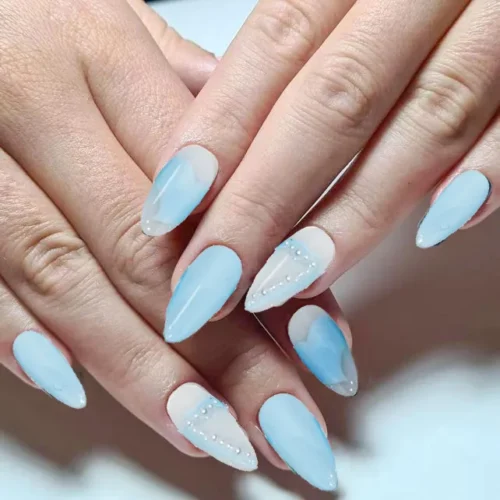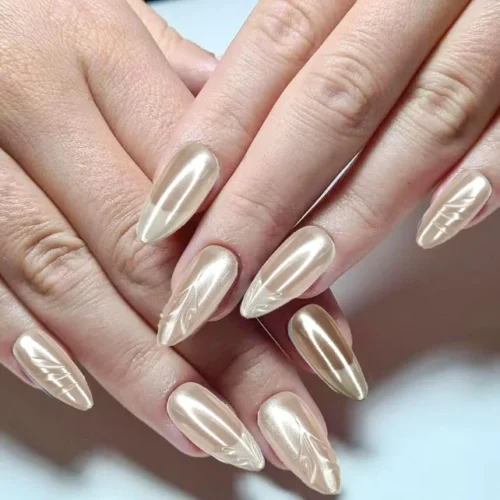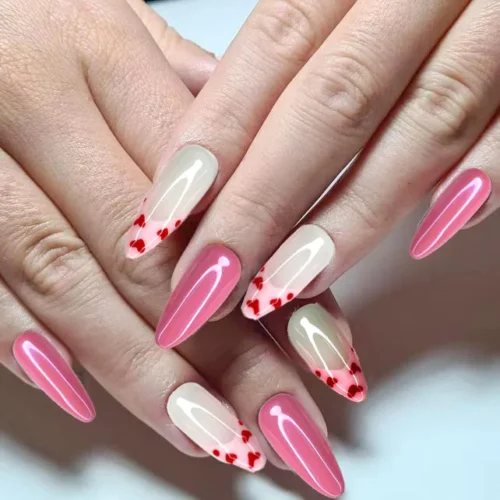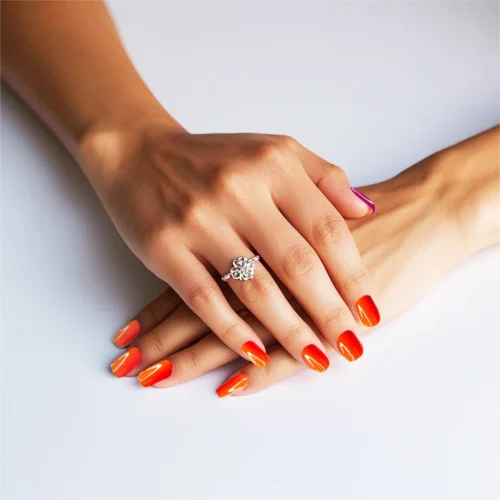

If you love a fresh manicure but dislike paying salon prices or spending hours in a chair, reusable press-on nails are the perfect choice. They are quick, polished and comfortable, and they are surprisingly durable when you know a few insider tricks. The biggest concerns people share are also the most fixable: “They pop off,” “Glue is messy,” “They look fake,” or “They ruin my nails.” This guide clears that up with simple, pro-level steps that help your press-ons last for up to two weeks per wear and stay clean enough to reuse without damaging your natural nails or your budget.
Reusable press-on nails can last up to 14 days when applied with proper prep, strong adhesive, and minimal water exposure. To reuse them, avoid acetone removal, clean the underside gently, and store them properly after each wear.
Consider this your friendly blueprint for long-lasting, affordable, natural-looking press-ons that you can rewear confidently for events, vacations, and everyday life.
Why reusable press-on nails are worth it(cost & longevity)
A salon gel or acrylic set often costs many times more than a press-on kit and can require time-consuming maintenance. Today’s press-ons use sturdy ABS plastic, flexible tips, and gel-like finishes that mimic salon shine. Many sets include 24–40 nails across multiple sizes so you can find a near-seamless fit, and with the right removal routine, you can sanitize and store them for another round.
- Save time: Application takes 10–20 minutes once you know the sequence.
- Save money: A single set can be re-worn, dropping your cost per wear dramatically.
- Save your nails: Gentle removal methods and short breaks between sets keep natural nails healthy.
- Save your sanity: No chips the day after you paint, no UV lamps, no appointment juggle.
If you’ve been burned by flimsy, pop-off press-ons in the past, the difference now largely comes down to smart prep, correct adhesive choice, and the way you apply and remove them.
What makes a press-on reusable
Not every press-on is built to be reworn. Look for these characteristics when you shop:
- Material and thickness: Medium-thick ABS with a smooth interior curve holds shape and resists bending. Ultra-thin tips feel light but are harder to reuse because they warp during removal.
- Finish quality: Multiple layers of gel-like topcoat resist scratches so they still look pristine on the second or third wear.
- Size range: The more sizes included in a kit, the more likely you will achieve full edge-to-edge coverage without squeezing your nail bed. This is essential for comfort and repeated use.
- Shorter lengths: Short or medium lengths snag less and are easier to keep looking new.
- Adhesive flexibility: Sets that work with either nail glue or adhesive tabs give you choices for longevity vs. easy re-wear.
Best adhesive options compared: glue, peel‑and‑stick, and tabs
Choosing the right adhesive is the single biggest factor in both wear time and reusability. Here’s how to match the method to your goals.
- Nail glue
- Best for: Maximum longevity (often 7–14+ days with proper prep)
- Pros: Strong bond; most resistant to water and daily tasks
- Cons: Messy if overapplied; acetone-based removal can damage or cloud the press-on if you soak them
- Reuse tip: Apply glue only to your natural nail to reduce residue on the tip; avoid acetone soaking if you plan to rewear
- Built-in peel‑and‑stick adhesive
- Best for: Fast, mess-free application and short-term wear (3–7 days)
- Pros: No dry time; no glue cleanup; great for travel or events
- Cons: Shorter wear; adhesive can stay on the tip after removal
- Reuse tip: After removal, gently roll off remaining adhesive from the press-on underside; store flat so the tip doesn’t warp
- Removable adhesive tabs
- Best for: Reusability with more hold than basic stickers
- Pros: Cleaner removal; easy to refresh tabs for the next wear
- Cons: Slightly bulkier feel if tab is too thick or too large
- Reuse tip: Match the tab size to your nail and trim it if necessary so no exposed adhesive peeks out and collects lint.
If you’re testing the waters, try tabs or peel‑and‑stick for a weekend. For two weeks of wear, use glue with careful application.
How to make press-On nails last longer
Applying at night gives your adhesive a long, dry window to cure without handwashing, dishes, or showers. This one tweak alone can double longevity.
1.Prep thoroughly
- Wash hands with soap, then dry well. Avoid lotions or oils for 24 hours before and after application.
- Gently push back cuticles. A tiny overhang of cuticle can prevent a full seal and cause lifting.
- Shape free edges and lightly buff the nail surface to remove shine.
- Wipe each nail with isopropyl alcohol.
- Size and shape before gluing
- Lay out right and left sets in order from thumb to pinky. The tip should fit sidewall to sidewall without pressing into the skin.
- If the curve or sidewall is a hair too tight, lightly bevel the press-on’s side edge or cuticle line with a fine file so it melts into your nail bed.
- Adhesive, then press
- For glue: Add a small dot near the cuticle and a thin swipe across the center of your natural nail. Avoid gluing both surfaces as this reduces overflow and keeps press-on nails clean for reuse.
- For tabs/stickers: Place the tab on your natural nail, then peel the film.
- Apply the tip at a 45° angle at the cuticle, then roll it down to the free edge to push out air. Hold firm pressure for 30–60 seconds while gently rocking side to side.
- Seal and sleep
- Optionally run a clear top coat across the free edge and along the sidewalls to help block water intrusion.
- Avoid water for at least 2–3 hours.
how to removal without damage
If you prefer a completely acetone-free method, you can also follow this step-by-step guide on how to remove press-on nails without acetone.
Think “patient and oily,” not “fast and forceful.” Ripping off a bonded nail leads to damage so you should never do this.
- Break the seal: Soak fingertips in warm, soapy water for 10 minutes. Add a few drops of cuticle oil to the soak if needed.
- Lift gradually: Work a wooden cuticle stick around the sidewalls, adding more oil as you go. If it resists, pause and soak another 5–10 minutes.
- Avoid acetone if you plan to reuse: Acetone can cloud or weaken the press-on. Stick to oil and soapy water for removal.
- Clean the underside: Once off, roll away leftover sticker residue with your thumb or use a small amount of non-acetone remover on a cotton swab. For dried glue, gently scrape with a wooden stick, then refine with a very fine file.
- Sanitize and store: Wash the press-ons in warm, soapy water, rinse, pat dry, and let them air-dry fully. Mist with isopropyl alcohol, then store by size in a small organizer or labeled bag.
Make it last: daily habits that extend wear
Small habits protect the bond and the finish.
- Keep nails dry the first morning after application; avoid long hot showers day one.
- Wear gloves for dishes and cleaning. Harsh detergents and prolonged water exposure loosen edges.
- Re‑press edges after handwashing.
- Use cuticle oil daily, but keep it off the nail surface near the sidewalls and cuticle line.
- If a corner lifts, add a micro‑dot of glue under that edge, press for 60 seconds, and avoid water for an hour.
Fit, shape, and comfort tips
Comfort equals longevity. If a tip squeezes your nail bed or floats above a flat nail, it will lift sooner.
- Map your sizes: Write down the size numbers that fit each finger. Most kits include extras; tracking sizes speeds future applications and helps you mix-and-match leftovers.
- Customize the cuticle edge: A quick bevel at the cuticle line helps the press-on tuck in flush and prevents hair from catching.
- Refine length and shape: You can file or clip press-ons after application. Use slow, gentle motions to avoid cracking the finish.
- If it hurts, remove it: Pain is usually a sizing or curvature mismatch. Swap sizes or shapes rather than “pushing through.”
Troubleshooting common issues
- Lifting at the cuticle in a few days
Often caused by residual cuticle, oil, or not enough pressure during application. Next time, push back cuticles more thoroughly, double-wipe with alcohol, and press longer. You can also lightly etch the natural nail where the cuticle line sits for better grip. - Glue bubbling or cloudy look under sheer designs
That’s from too much glue or trapped air. Apply a thinner layer only on the natural nail and press from cuticle to tip to push out air. - Exposed sticky underside that snags hair
Common with tabs or stickers on shorter natural nails. Brush a thin line of clear top coat along the underside edge to seal it, or trim the tab smaller next time. - Nails popping off in water
They likely didn’t cure long enough. Use the Bedtime Bond Method and avoid water for several hours after application. - Reusing feels “unsanitary”
Sanitize after each wear: wash, dry, alcohol mist, and store. If a nail shows cracks or deep scratches that harbor residue, retire it. - Adhesive won’t stick to oily nails
Try a nail dehydrator or simply add a third alcohol wipe pass and a very light buff to remove shine. Wash hands before prepping; skip lotion for 24 hours.
Cost, sustainability, and your capsule “mani wardrobe”
Press-ons shine when you think in terms of cost per wear. Imagine a 14 set that you wear three times: that’s less than 5 per manicure without tips or travel. Add a $3 sheet of adhesive tabs and you’ve got multiple fresh wears from a single kit. Because you can sanitize and reapply, you also cut down on plastic waste compared to one-and-done sets.
Build a small, thoughtful rotation:
- One neutral set for everyday and interviews
- One short, dark or French set for polished minimalism
- One trend or accent set to mix with leftovers for custom looks
Mixing a few leftover nails as accent fingers is an easy way to refresh a set and stretch your investment further.
Quick buyer’s checklist for reusable press‑on nails
- Includes at least 24–30 nails with multiple sizes for each finger
- Medium thickness, short-to-medium lengths, and smooth interior curve
- Gel-like topcoat that resists scratches
- Compatible with both glue and adhesive tabs
- Comes with prep tools (alcohol wipe, file, cuticle stick)
- Finish and color you’ll want to wear more than once
Nail care between wears
Give your natural nails a breather for a couple of days between sets. File gently, buff away any residue, and apply a strengthening treatment if you like. Hydrate cuticles daily. Healthy, smooth natural nails equal better adhesion and a more comfortable fit.
Conclusion
Reusable press-on nails can absolutely look salon-grade, last up to two weeks at a time, and cost just a few dollars per wear when you choose the right set and follow a smart routine. Prioritize a solid size range, medium thickness, and a finish you’ll love re-wearing; match your adhesive to your goals; apply at night with clean, oil-free nails and firm pressure; remove patiently with warm water and oil; sanitize and store by size; and favor shorter, rounded shapes to reduce snags. With those habits in place, you’ll enjoy reliable, affordable manicures whenever you want them.
Ready to make your first set go the distance? Lay out your sizes tonight, try the Bedtime Bond Method, and wake up to a chip‑proof, budget‑friendly manicure you can wear again and again.
FAQ: Reusable Press-On Nails
Can you reuse press-on nails?
Yes, if removed gently without acetone and cleaned properly, most press-ons can be reused multiple times.
How long do reusable press-on nails last?
With glue, they can last 7–14 days. With adhesive tabs, 3–7 days.
Can I reuse press-on nails with glue?
Yes, but apply glue only on your natural nail to keep the press-on clean.
How do you clean press-on nails for reuse?
Remove residue gently, wash with soapy water, sanitize with alcohol, and air dry.